The 200 GW Moment: Reinventing the Grid for the AI Economy
As AI pushes rack densities into unprecedented territory, utilities, hyperscalers, and developers are rethinking how to deliver reliable, affordable power at massive scale.
Get smart on it
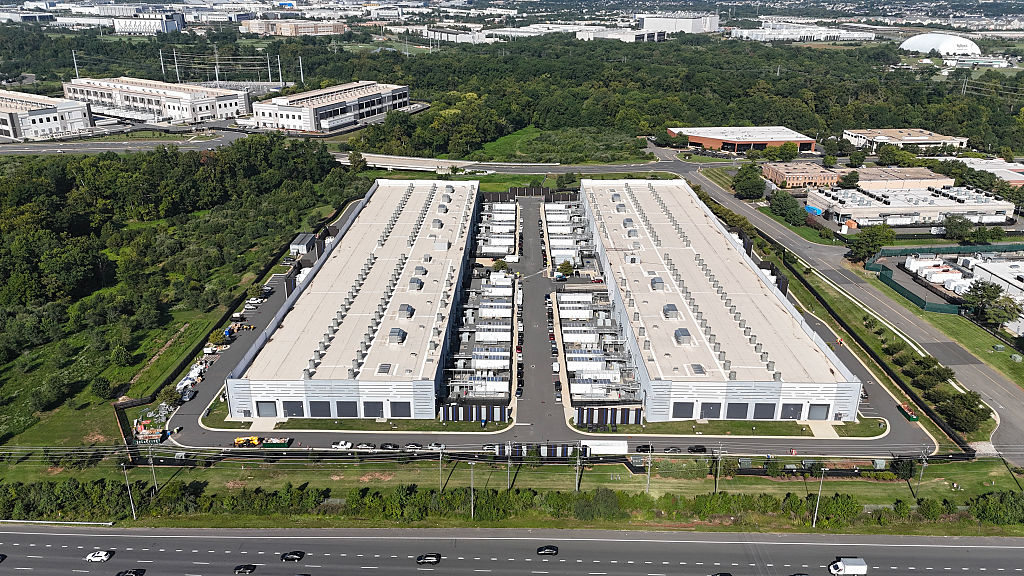
Global data center power demand is projected to exceed 200 gigawatts by 2030, driven by AI workloads that are pushing electrical requirements per rack from traditional levels of 10-30 kilowatts into 80-150 kilowatts or higher. This creates a fundamental challenge: data center developers operate on timelines of months to years, while utilities planning power infrastructure need 15-30 year commitments and financial certainty. The industry is responding with hybrid approaches combining grid power with on-site generation and storage, demand response programs, and flexible facility designs that can accommodate evolving cooling methods and chip densities as technology advances.
Related news

Rural Data Centers Are in for a Big Federal Tax Break
Under the One Big Beautiful Bill Act, data center projects in rural areas could be eligible for major tax benefits starting next year. Some hyperscalers do not seem eager to take the free cash.

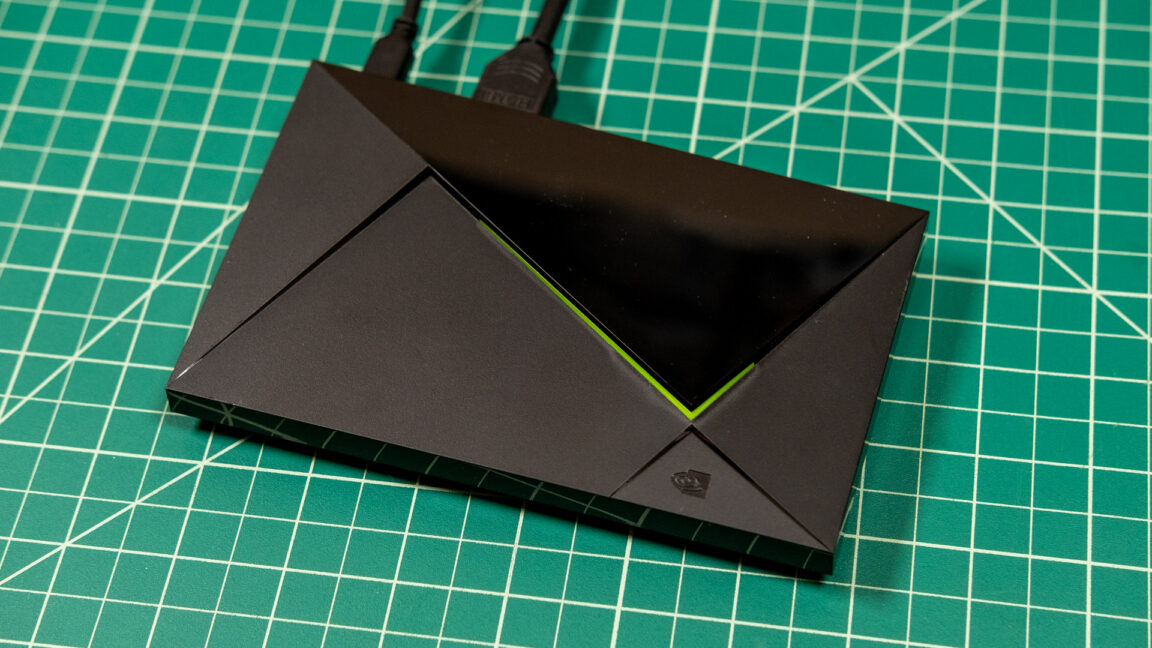
The Nvidia Shield TV Is 7 Years Old. It Just Got a $100 Price Hike
The price of anything with memory is skyrocketing thanks to AI. Aging streaming devices are no exception.