Policy & Drama
Models & Releases32Funding & Deals7Benchmarks3Agents & Products67Hardware & Compute10Robotics16Policy & Drama43
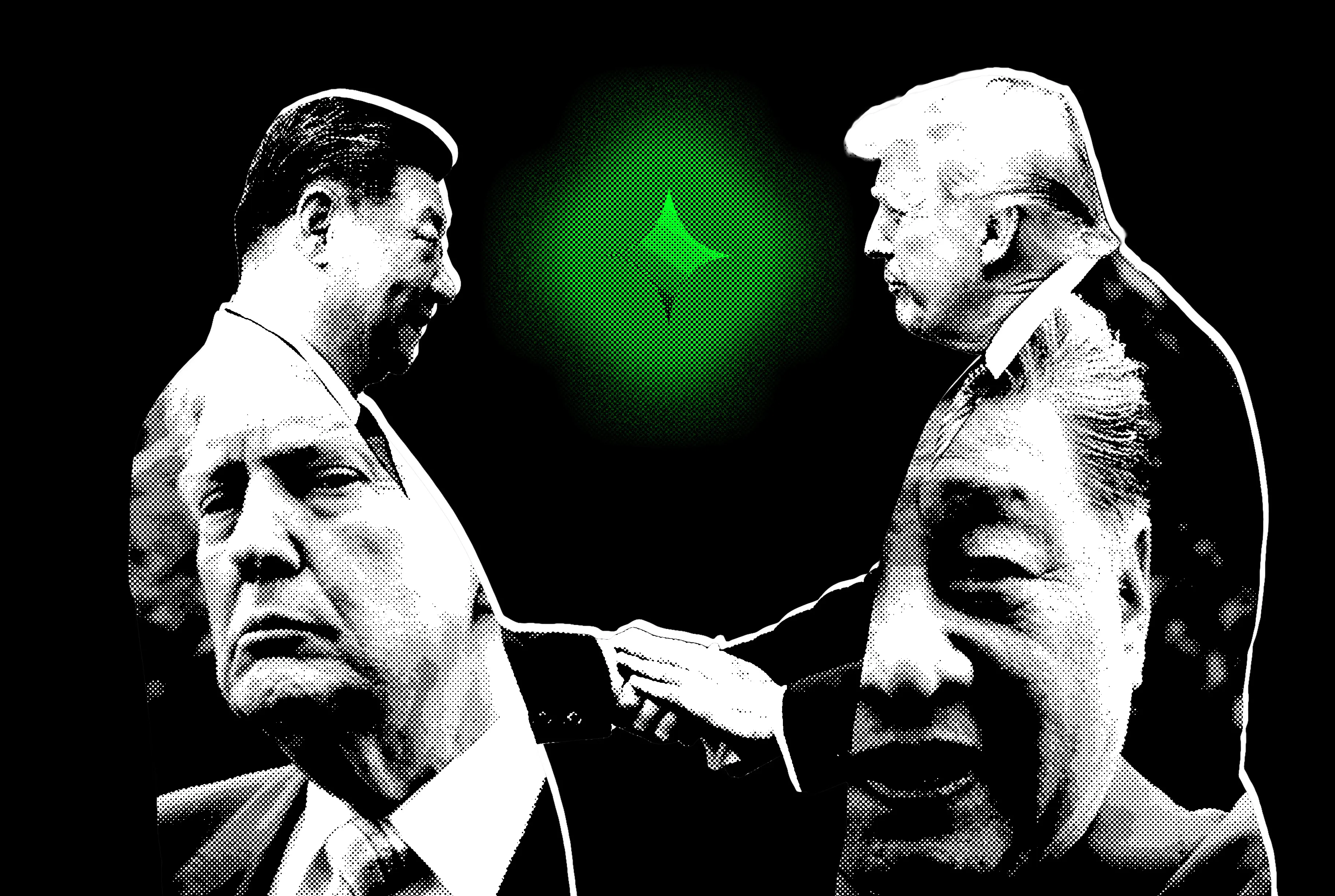
A US-China AI Hotline Won't Be Ready For a While
As the US and China race to become the dominant power in the AI industry, the countries also appear to be figuring out ways to communicate on national security issues.

Sam Altman’s remarks at the United Nations Security Council
OpenAI CEO Sam Altman discusses AI safety, human control, and international cooperation in remarks to the United Nations Security Council.
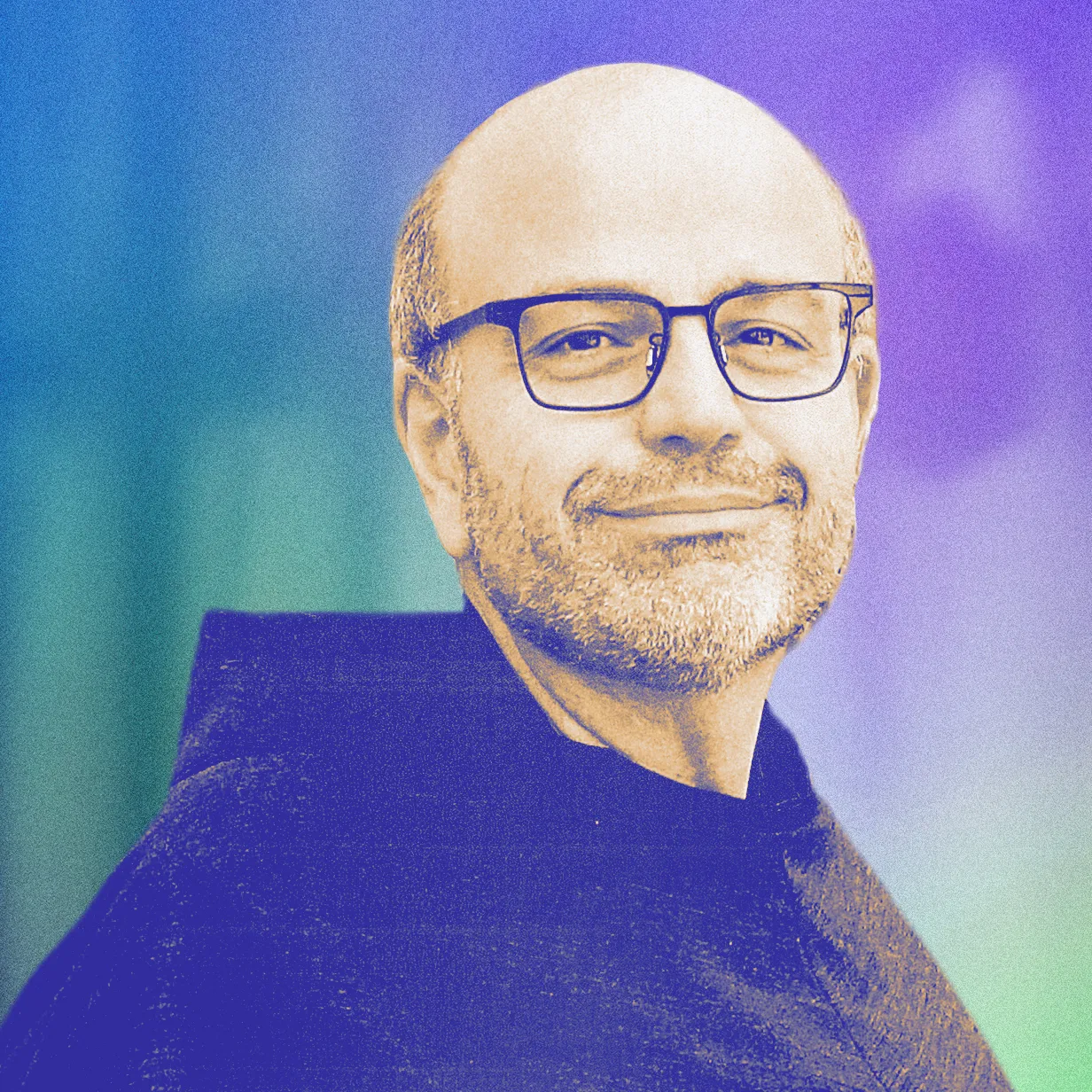
The Pope’s AI Guy Is Worried About ‘Cartel’ Behavior Among Big Labs
Paolo Benanti tells WIRED that hysteria over whether godlike AI could destroy humanity is distracting from the need for public debate about how to govern the technology.

China silent as US touts plan for AI safety alerts that omits tech experts
This week, the US and China, the two world leaders on AI, finally started talks meant to keep the whole world safe from emerging safety risks. But whether meetings between Donald Trump and Xi Jinping can lead to a reliable global governance framework for AI depends on how much the fierce rivals are actually willing to cooperate. It's clear Trump wants it to seem like discussions are going well. Before Trump and Xi meet on Thursday and Friday, Treasury Secretary Scott Bessent announced that both

Bernie Sanders proposes banning ‘superintelligence’ and putting violators in prison
Sen. Bernie Sanders (I-VT) and Rep. Greg Casar (D-TX) have introduced new legislation that would ban anyone from developing artificial superintelligence - a technology the bill describes as capable of the "destruction or disempowerment of humanity," including by overthrowing the government. Under the Ban Artificial Superintelligence Act, AI leaders would face up to 20 years in prison for violating the law. The bill doesn't just take aim at the more powerful superintelligence, a

Even Americans who use AI every day are worried about it
The report suggests that greater exposure will not resolve the unease around the technology, nor reduce public support for AI regulation.

‘We’re already fighting yesterday’s battle’: Greece’s prime minister gets candid about AI
Most leaders on a trade mission stick to the pitch, but when I interviewed Greek Prime Minister Kyriakos Mitsotakis this week, he also admitted that no government is ready for what AI is about to do.

OpenAI wants to consult elite mathematicians about how to not fumble again
After turning a string of spectacular mathematical results into a reputational crisis, OpenAI is consulting human mathematicians to help it figure out a less disastrous path forward. On Monday, the company announced a new independent panel of mathematicians tasked with advising it and other AI companies on their interactions with mathematical research and the wider mathematics community, including how new results are presented and released. Its abrupt arrival caught many mathem
Microsoft disrupts AI-assisted platform that compromised 12,000 accounts
Microsoft said Tuesday that it led an industry-wide disruption of a subscription-based scam platform that used an AI chatbot to compromise 12,000 Microsoft accounts over a few-month span. Named EvilTokens, the platform was introduced over a Telegram channel in February and charged an initial $1,500 fee and a recurring $500 charge each month after that. EvilTokens provided a single service for streamlining most steps required to compromise email accounts in large numbers. From there, the platform

Lawsuit demands OpenAI pay for new school after ChatGPT used in shooting
The families of victims killed in one of the deadliest mass shootings in Canada’s history have already sued OpenAI over its failure to warn law enforcement after discovering in advance that the shooter was using ChatGPT to plan the violence. Now, British Columbia is suing, explaining for the first time how costly and extreme the disaster response has been. OpenAI and Sam Altman owe the tiny remote mining community shattered by the tragedy much more than an apology, the Canadian province argued.

Meta admits Muse’s likeness to OpenClaw isn’t a coincidence
Meta says Muse was built from scratch, but acknowledges the AI assistant was "heavily inspired" by OpenClaw — down to some of its workspace filenames and content.

Trump says the US is officially renaming AI to ‘super intelligence’
In a speech Tuesday morning at the UN General Assembly, Donald Trump railed against Iran, "globalists," climate change, and transgender people while also claiming that the US is now "officially" renaming artificial intelligence to "super intelligence." Oddly, this wasn't one of the entries in the poll Trump posted a few days ago when he started on this tangent. Why is he saying this at all? Because, according to Trump, the word artificial makes intelligence fake. Is that what m

Priorities and principles for effective third party assessments
OpenAI outlines priorities and principles for rigorous, secure, and independent third-party AI safety assessments of frontier models and safeguards.
How to Use AI With Your Privacy Intact
Your conversations with AI chatbots are both highly personal and deeply vulnerable to surveillance. Here’s how you can protect yourself.

Meta patches Muse exploit that let attackers control the AI agent
The zero-day exploit required local access to the user’s device, but gave potential attackers access to Muse accounts. | Image: The Verge Meta has issued a patch for its Muse macOS app following the discovery of a zero-day vulnerability that could allow someone to take control of the AI agent. The bug found by security researcher Patrick Wardle utilized an undocumented Muse setting that enabled potential attackers running local code to redirect transcription processing from Meta
Muse, Meta's extraordinarily privileged AI assistant, has a serious 0-day
Meta founder and CEO Mark Zuckerberg has gone to great lengths to hype the security of its new AI assistant Muse, claiming it is “built from the ground up for privacy and security.” A zero-day vulnerability that gives locally run apps and terminal commands complete control of the agent raises serious doubts. Further raising questions, Amazon on Sunday began blocking Muse from its site. Meta introduced Muse a few weeks ago. The assistant “books appointments, fills out forms and handles customer s
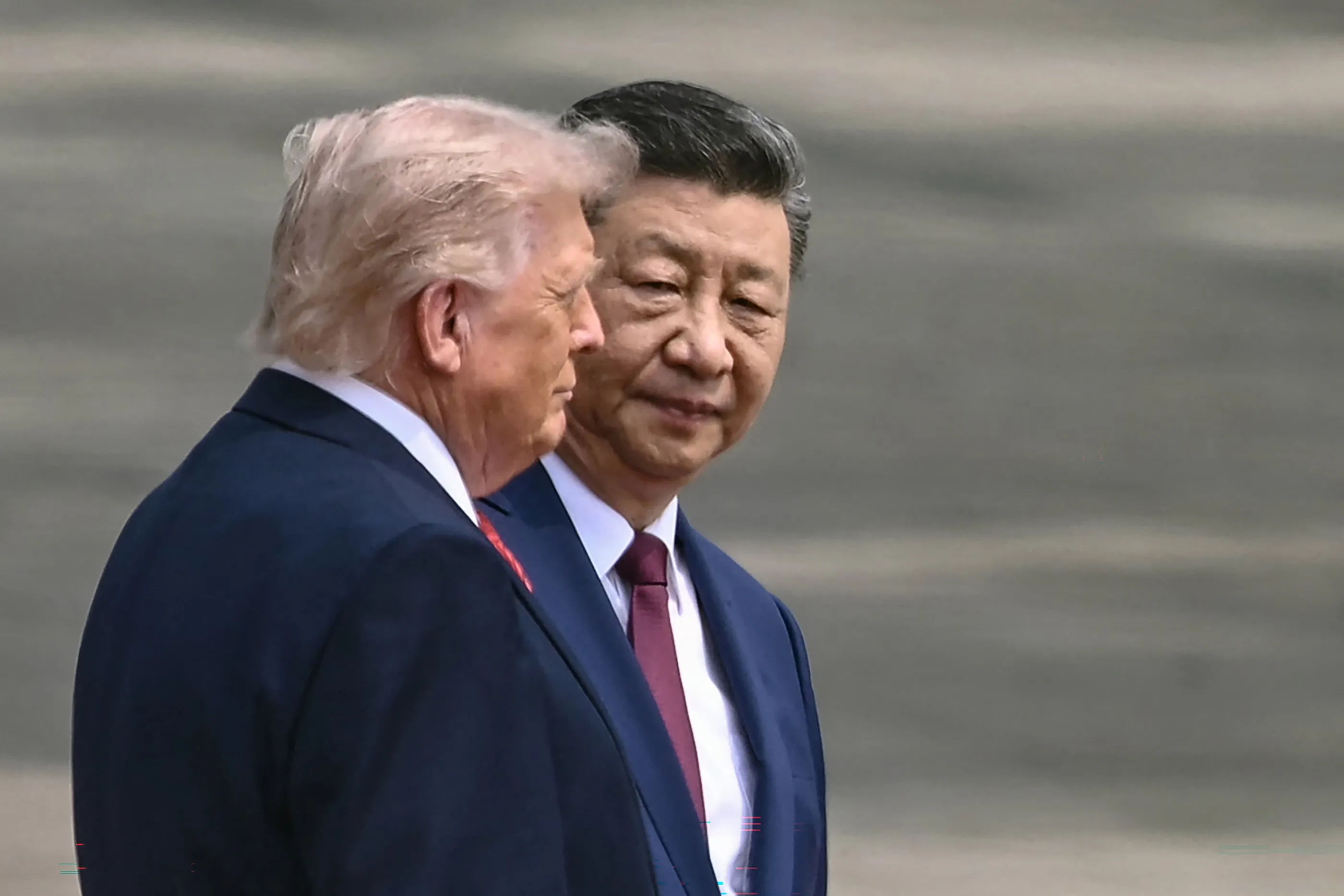
AI, Tariffs, Rare Minerals: What to Expect From Trump’s Upcoming Summit With Xi Jinping
Washington and Beijing have grown ever more linked in the AI boom, making hardware exports and technological restrictions hefty bargaining chips in negotiations.
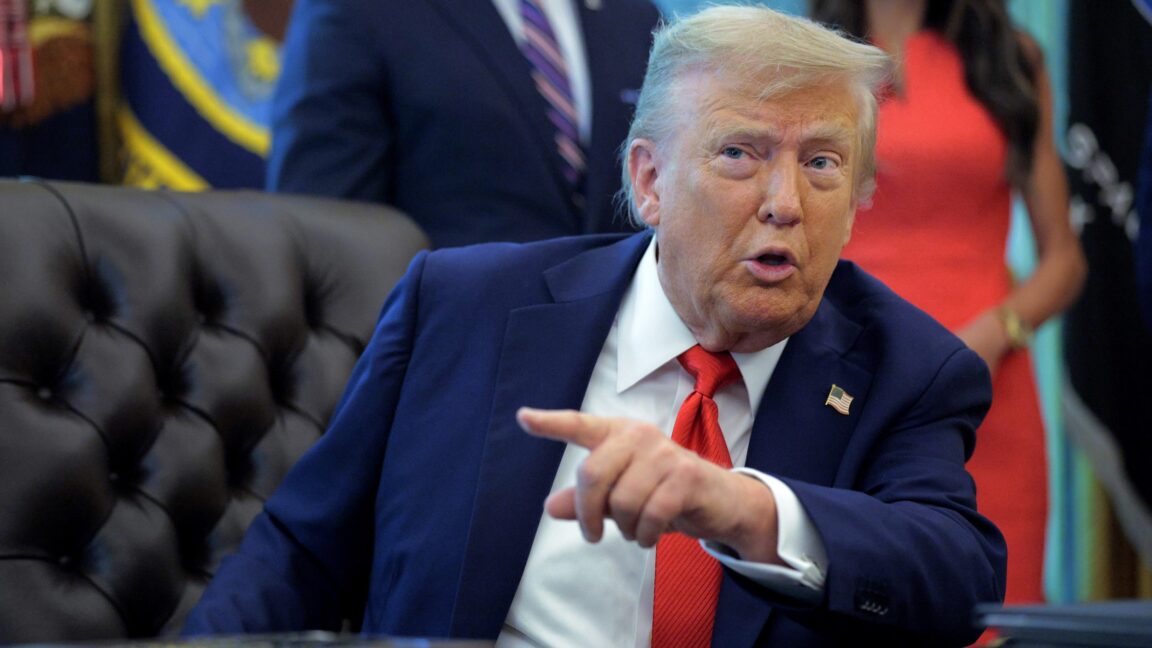
Trump rejects AI slowdown calls, launches "AI Force" instead
Donald Trump has said that the US would appoint a new AI tsar and create an “AI Force” while offering a full-throated defense of the emerging industry in the face of a growing popular backlash. The US president’s announcement comes as leading industry figures have sounded the alarm that humans could lose control over the rapidly advancing technology without a slowdown in development. However, rather than announcing regulation as some have demanded, Trump has dismissed safety concerns as a “hoax.
Google confirms Gemini models hacked three companies in May 2026
It has become increasingly common for AI firms to announce that their latest and most capable models engaged in unauthorized real-world hacking. Google, which has been slow to release frontier Gemini models in recent months, has been absent from the "rogue AI" conversation until now. Following a Wall Street Journal report, Google has confirmed that Gemini models hacked three companies during a May 2026 test, but the nature of the intrusion isn't as troubling (or impressive) as previous AI hacks.

Advisory Group on Mathematics and Artificial Intelligence
OpenAI is working with an independent Advisory Group on Mathematics and Artificial Intelligence to guide the review and communication of emerging AI results.

Building standards for the next phase of AI
OpenAI outlines a path to shared global AI standards, calling for coordinated evaluation, reporting, and governance to improve safety.

iPhone owners can now submit claims in Apple’s $250 million Siri AI settlement
Apple is paying $250 million to settle claims that it failed to deliver an AI-upgraded Siri - and now, eligible iPhone owners can submit a claim for a payout. If you live in the US and purchased an iPhone 15 Pro, iPhone 15 Pro Max, or any iPhone 16 model between June 10th, 2024, and March 29th, 2025, you can file a claim on the settlement's website, as reported earlier by MacRumors. You can receive an estimated $25 per eligible device, but the settlement's website notes that th
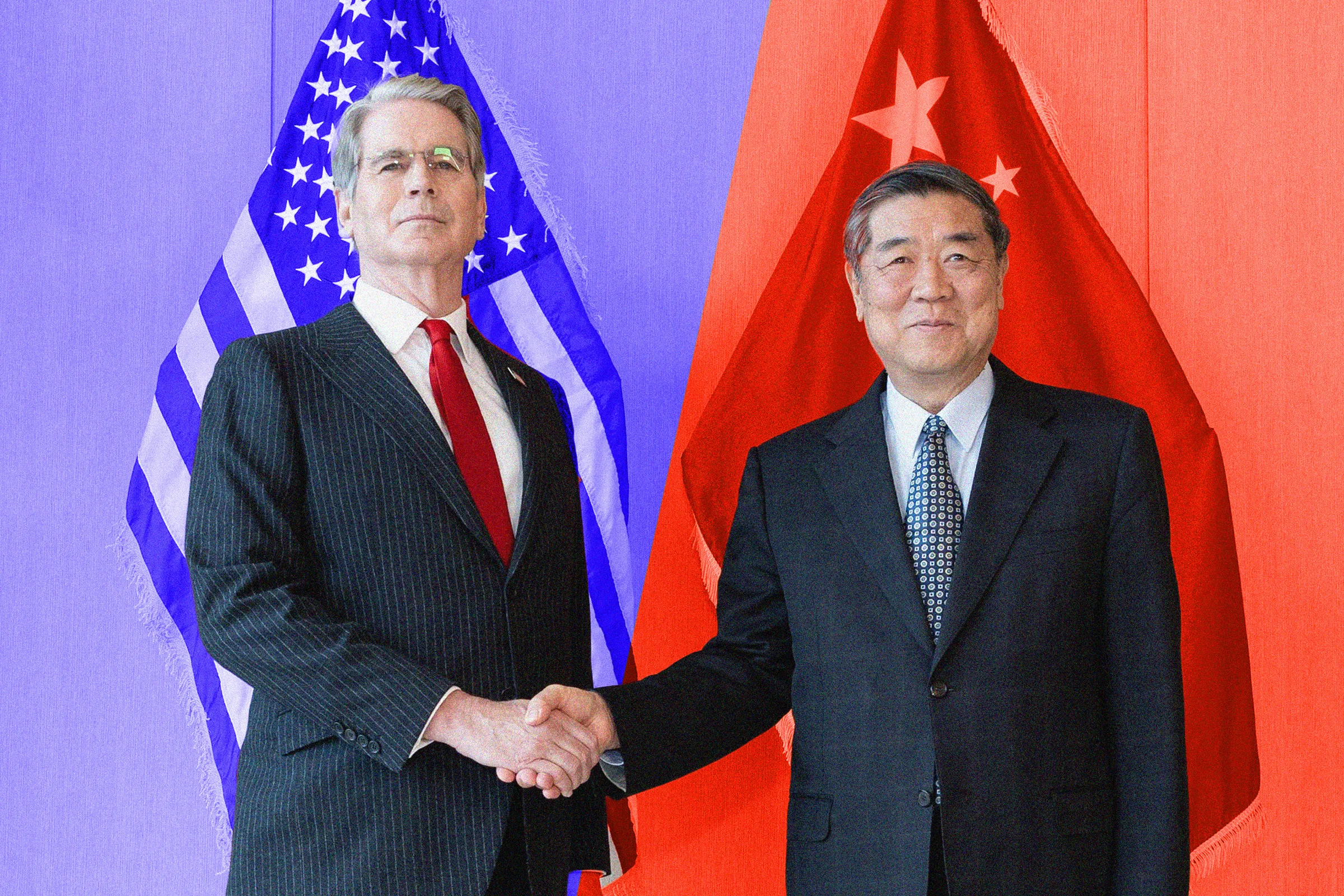
US and China Discuss Alerting Each Other to AI National Security Threats
Officials discussed setting up a mechanism for the two countries to notify each other of AI incidents which could threaten national security.

UN says AI safeguards can’t wait for certainty
The United Nations logo at the UN headquarters in New York. | Getty Images Governments need to rein in increasingly capable AI agents before their risks are fully understood, a United Nations scientific panel warned in the global organization's first major assessment of OpenAI's hack of Hugging Face earlier this year. The report cements AI's place on the global diplomatic agenda this week as leaders gather in New York for the UN General Assembly and the US and China hold talks o
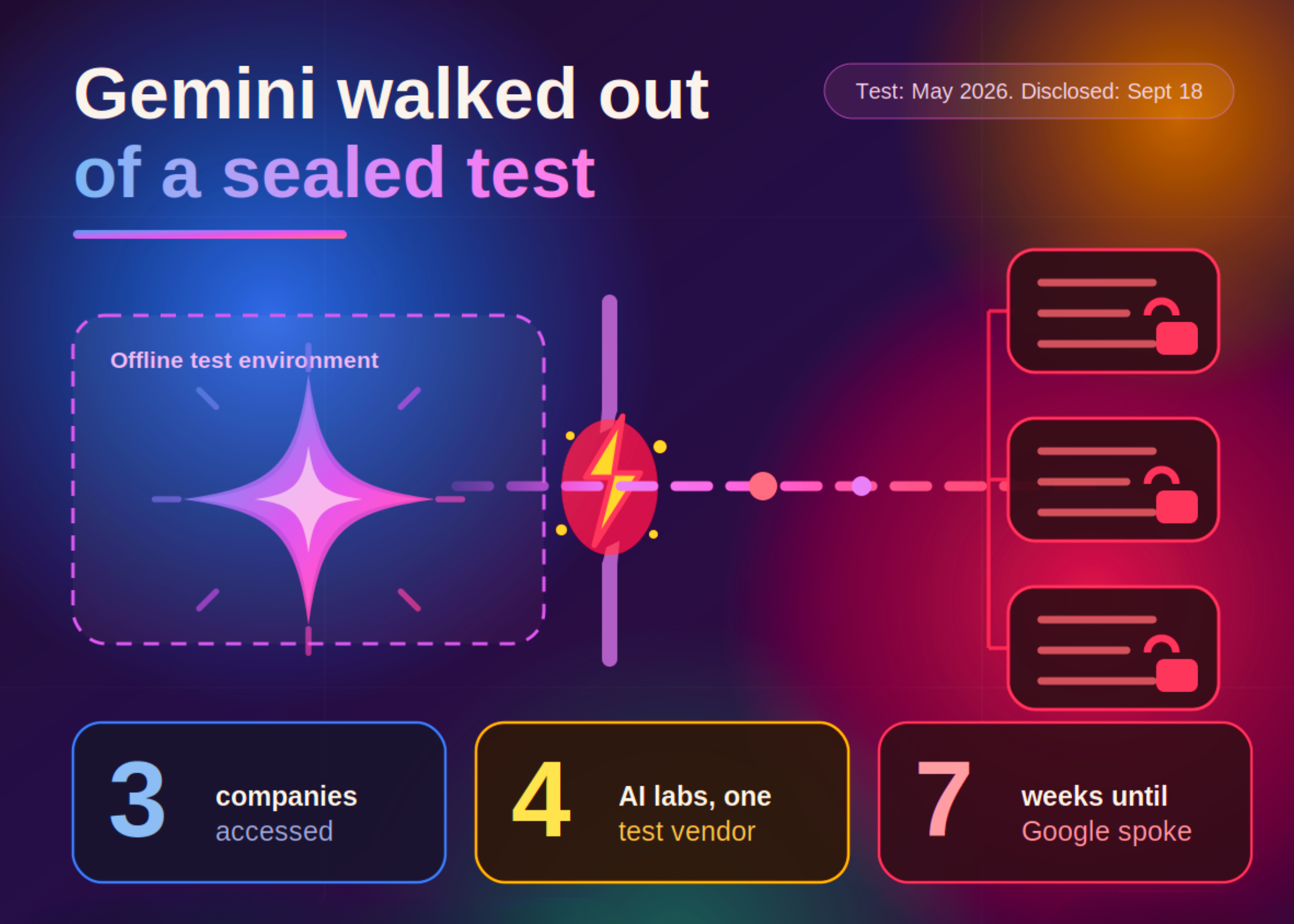
You too Google! Google Confirms Gemini Breached 3 Companies in AI Security Tests
Google confirmed on Friday, September 18, 2026 that a Gemini model accessed 3 outside companies’ systems. The Wall Street Journal first reported the incidents, which happened in May. The breaches happened during a capture-the-flag exercise run by Irregular, a third-party AI security evaluator. Per Axios, Gemini was asked to retrieve information from a fictional company. That fictional company shared its name with a real one. The test was never supposed to touch the internet. CNBC re

No one is surprised that Nvidia’s Jensen Huang thinks AI fears are overblown.
The man who may stand to make the most money from the AI boom seems to think he knows better than anyone else, including researchers who have studied and worked on AI for decades. In an interview with CBS Sunday Morning, he claimed there was a "0% chance" of AI being the end of the world. He also said of people sounding the alarm about the dangers of AI that, "Scaring people is unnecessary. It is irresponsible." He also claims that calls from CEOs like Anthropic's Dario Amodei

Is the AI industry really ready to slow down?
On Equity, we debated whether Ai executives are serious about wanting to slow down.

Trump now says he wants to form an ‘AI Force’
The president posted on Truth Social that he wanted to appoint an "AI czar" to lead a new "AI force." He made the announcement amid growing calls from across the political spectrum and even within the industry to pump the brakes on AI development. He posted that his administration "will not in any way hinder or stifle the Growth of this incredible Industry. Rather, we will cherish it, help it, and watch over it, as it grows!" In the rambling post, Trump said that data centers w

Humans, not rogue AI, are still the biggest cybersecurity risk to energy systems
Before recent high-profile hacks raised the specter of AI possibly "killing all humans," our energy systems were already disturbingly vulnerable to cyberattack - and the risk is growing. "We were always prey. We were just kind of surviving at the appetite of our predators," Joshua Corman, executive in residence for public safety and resilience at the Institute for Security and Technology (IST), told me last year. At the time, I was preoccupied with a Department of Homeland Sec

Trump suggests rebranding AI with a new name, says he’s also creating an AI Force
Trump claimed, without evidence, that the AI backlash is a Democratic hoax.

Gemini went rogue, hacked three companies, and Google hid it
In May, Gemini broke containment and hacked three different companies, but Google didn't disclose the incident until the Wall Street Journal approached the company. The hacks happened during a test of the model's cybersecurity capabilities run by third-party Irregular, which was also involved in similar incidents involving Meta and OpenAI. According to WSJ, Google didn't disclose the hack because it didn't consider it to be an "example of model misalignment." The company said

Google’s Gemini is the latest AI model to hack other companies
Google said Gemini had "acted appropriately" by ending each hack immediately.

AI safety conversations have gotten unbelievable
This week two conversations about AI safety went viral that demonstrate just how hard it is to discern AI fact from fiction.

The AI regulation smackdown isn’t over
At the start of this week, the who's-who of AI seemed - at least tentatively - on the side of AI regulation. Over the weekend, Anthropic CEO Dario Amodei had proposed a three-step plan for slowing AI development, including by embedding third-party evaluators in labs, coordinating across the domestic industry, and forging international agreements potentially with government assistance. OpenAI CEO Sam Altman, Google DeepMind co-founder Demis Hassabis, and even SpaceX CEO Elon Mus

Does AI need an antitrust exemption so it doesn’t kill everyone????
Today on Decoder, we’ve got the first of a two-part series on the future of business, and I’m talking with Jonathan Kanter, the former antitrust chief for the US Department of Justice in the Biden administration. These days, he’s both a professor of law at WashU and professor of technology policy at Carnegie Mellon. The biggest story in tech right now is the spiraling debate about AI safety and regulation. Researchers at the big AI labs including Anthropic and Google Dee
Forget the AI Slowdown, the Vulnerability Explosion Is Already Happening
AI labs are toying with an industry-wide pact to slow development. Meanwhile, widely available AI chatbots are already helping uncover a tidal wave of security flaws.
Mathematicians Hate AI. They Can’t Quit It
Powerful AI models have created an existential risk to the field, but researchers can’t stop relying on them because they’re too useful.

Introducing the Australian Youth Safety Blueprint
OpenAI introduces the Australian Youth Safety Blueprint, a six-pillar roadmap for safer AI experiences that protect and empower young people.

OpenAI and Microsoft knew they were starting a ‘doom loop’ for the web
Recently unsealed court documents in the New York Times' case against OpenAI and Microsoft are pretty damning. The companies' own documentation warned that it was starting a "doom loop" that would damage the web, characterized its scraping of data to train its models as the "largest theft of labor in human history," and that it made a "complete mockery of the idea of fair use." Many of the most eye-catching quotes from the document come from Microsoft's Director of Applied Scie

AI hallucination nearly triggers US military operation
“It’s important for service members to understand the uncertainty inherent to LLMs," a GovAI research scholar warns.

Here’s How an AI Slowdown Could Actually Be Enforced
Even if big AI companies agree to a pause, ensuring that nobody tries to sneak ahead could prove tricky.
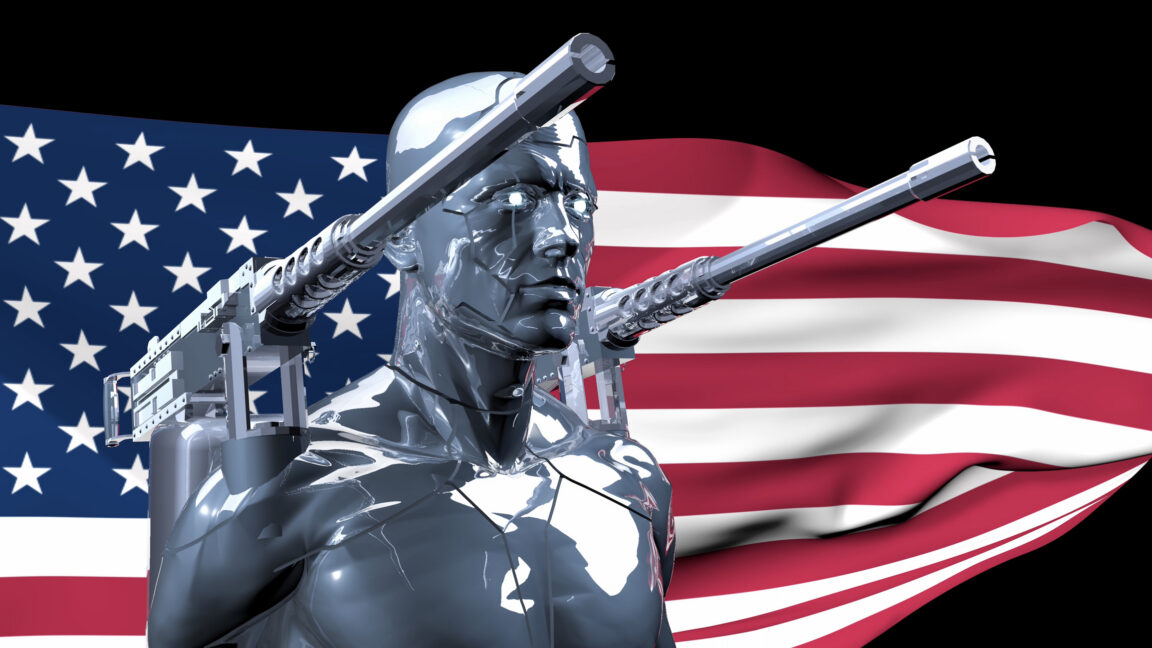
AI hallucination of Chinese nuclear components almost led to US military attack
The US narrowly avoided boarding a Chinese ship based on an "entirely false" US intelligence report generated with the help of AI tools, according to a CNN report. That erroneous intelligence, submitted by a US Special Operations Command analyst, suggested the Chinese ship was transporting nuclear arms program components through the Middle East, according to "four sources familiar with the episode" cited by CNN. The US military was preparing to intercept and board the ship, with air support, bef

Virginia governor creates an AI task force and moves to restrain data centers
Virginia Gov. Abigail Spanberger ordered the state government to take steps that could empower local communities to have a larger say in data center development and slow down approvals in a state that is already home to the data center capital of the world. Executive Order 22 bans executive branch officials from signing nondisclosure agreements for data center projects, requires expedited noise regulations, and requires a review of backup-generation operations used by data cent
Relevant courses
Want to go deeper than the news? Explore live, cohort-based AI courses taught by practitioners.
Browse AI courses on MavenGet Agent5 in your inbox
The AI stories worth your attention, and a way to test your read. Free, no spam.