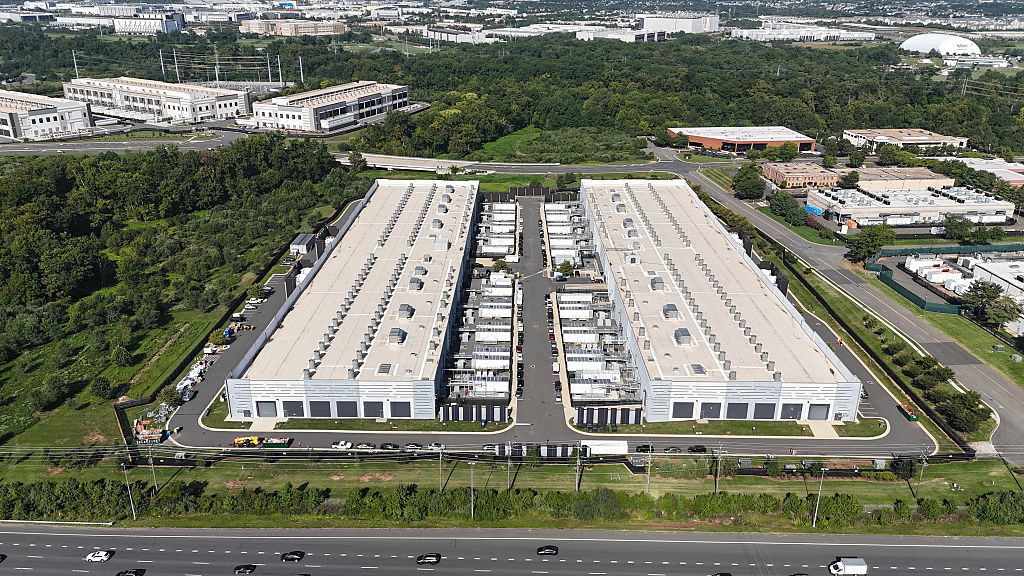
Amazon’s $1B plan to combat data center backlash draws more backlash
On Friday, Amazon committed to donating more than $1 billion over the next five years to communities neighboring data centers. In a press release, Amazon Web Services’ CEO Matt Garman said that communities would decide how to prioritize funds across “education, job training, energy affordability, water, and energy preservation, and local priorities.” Laying out other community commitments, Amazon also promised to ensure data centers wouldn’t increase power bills or wipe out local water supplies.
Amazon announced over $1 billion in donations to communities near data centers over five years, with funds to be directed toward education, job training, energy affordability, water, and local priorities. The company also committed to being water positive by 2030 and promised data centers would not increase power bills or deplete local water supplies. Environmental advocates criticized the plan as inadequate, arguing that Amazon is downplaying pollution concerns and that the $1 billion commitment is minimal compared to the $220 billion the company is investing in data centers in a single year. A key criticism centers on Amazon's construction of a power plant expected to become the largest source of U.S. climate emissions, which the company's announcement does not address.
One short email a day with the stories that matter. Free. Unsubscribe with one click.
Want to go deeper than the news? Explore live, cohort-based AI courses taught by practitioners.
Browse AI courses on Maven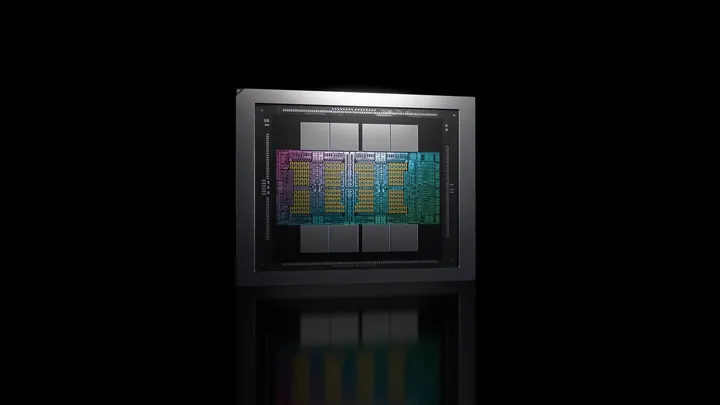
NVIDIA Announces Rubin HPC, A New GPU to Accelerate Agents for Science, Engineering and Analytics
Announced today at SC26, NVIDIA Rubin HPC is a new GPU in the NVIDIA Vera Rubin platform designed to accelerate simulation and data processing for science, engineering and analytics workflows. As agents help scientists and engineers explore more candidate materials, molecules and designs, they rely on simulations to test those ideas and guide their next steps. Rubin HPC will accelerate those simulations, shortening the path from exploration to scientific discovery and industrial design. The Rub
Also reported by SiliconANGLE

Nvidia promises that revenue will keep soaring, for now
Despite the turmoil Nvidia is in after the departure of its disgraced founder and CEO Jensen Huang, the company projected that its streak of record-breaking revenue isn't about to stop.

Nvidia at SC26: Agents are the new scientists, and they need a lab
For most of its history, the high-performance computing market measured progress the same way: how fast a machine could solve a fixed problem. Rankings rose, a new system took the top spot, and the cycle started over. Raw performance remains the foundation of scientific computing, and Nvidia Corp. brought plenty of it to SC26. But […] The post Nvidia at SC26: Agents are the new scientists, and they need a lab appeared first on SiliconANGLE.
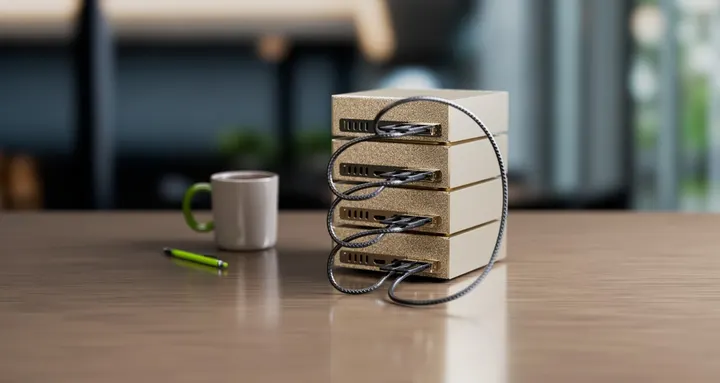
NVIDIA DGX Spark Developer Kit Turns a Desk Into a Supercomputing Lab
At SC26, an annual supercomputing conference taking place this week in Chicago, NVIDIA is introducing the DGX Spark HPC Developer Kit for researchers, academics and developers. The kit is a four-node cluster of NVIDIA DGX Spark systems, each connected directly to its two neighbors in a ring, with an NVIDIA HPC SDK installation playbook coming soon. Researchers get a place at their desk to run multi-node scientific workloads, AI models and agents, instead of waiting for time on a shared GPU clust

US data centers now burn more electricity than a midsized country
Fossil fuels are still the biggest source of electricity for hyperscale data centers in the US, a new paper published in the journal Nature Sustainability shows. They likely burn through more electricity collectively than many countries do, resulting in a serious amount of greenhouse gas emissions. The study homes in on hyperscale facilities - the massive structures spanning millions of square feet that developers are racing to build in large part to support generative AI. Rese
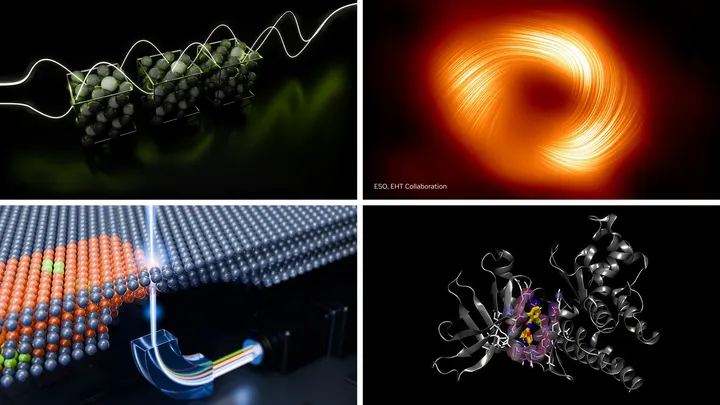
NVIDIA CUDA-X Libraries Give Agents the Tools to Accelerate Scientific Discovery
With expanded NVIDIA CUDA-X libraries, including cuPhoton, cuPotential and cuSpa, researchers can sift through vast amounts of data to accelerate research, from astrophysics and materials science to single-cell biology. The speedups are helping scientists analyze larger datasets and model more complex systems. The new libraries give AI agents the tools to help researchers make discoveries faster than ever. Read All NVIDIA Announcements From SC26 Bringing Black Holes Into Focus Seei