
Home-Based GPU Networks: Viable Supplements to AI Data Centers?
Distributed computing is getting a new spin. A growing crop of pilots is paying homeowners to host GPU capacity via wall-mounted appliances. Can residential nodes deliver the speed, reliability, security, and scale?
Get smart on it
Communities are increasingly opposing the construction of large AI data centers due to concerns about electricity consumption, water use, and other local impacts. Some companies are testing an alternative approach: distributing computing power across thousands of homes using wall-mounted GPU appliances that homeowners can host in exchange for payment. The technical challenge lies in building software that can coordinate thousands of machines spread across different locations with varying internet quality and power availability, since home-based networks lack the reliability and tight integration of traditional data centers. These systems would need to handle independent workloads that do not require constant communication between processors, while dynamically accounting for fluctuating household power availability.
Related news

Five Ways to Assess Your AI Infrastructure Readiness
AI success hinges on infrastructure. Use this five-part framework to evaluate power, cooling, security, cost strategy, and scalability.
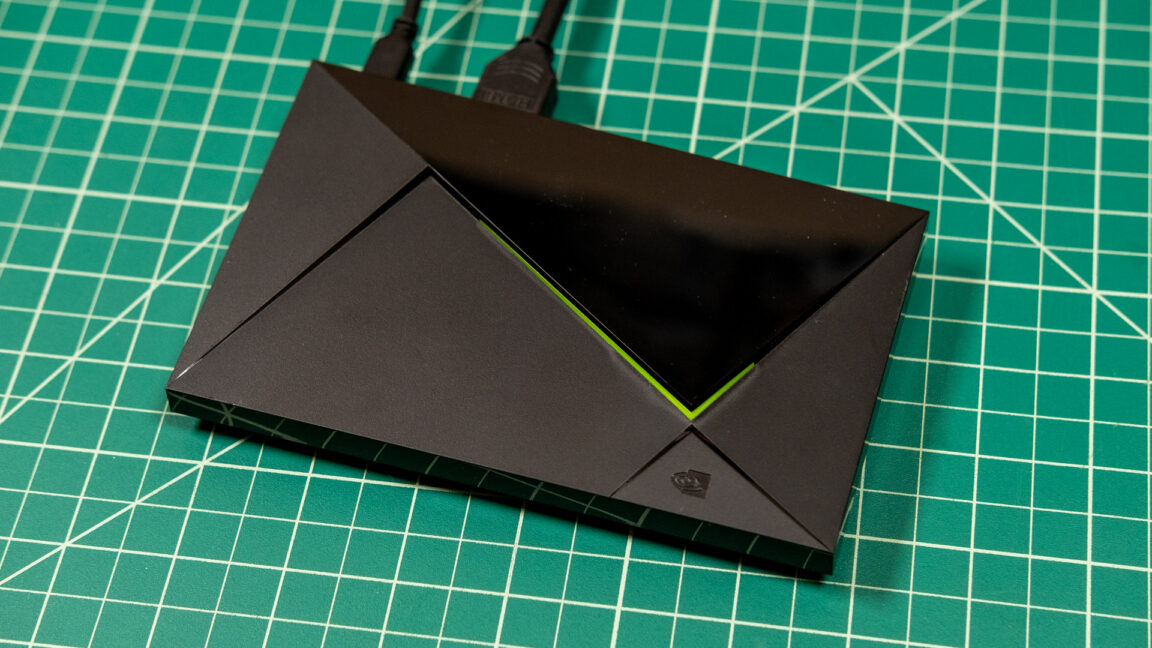
The 7-year-old Nvidia Shield TV is now $100 more expensive thanks to AI
The era of generative AI has upended technology supply chains, and there is one ironclad rule in 2026: If it has memory or storage, it's getting more expensive. Even devices with years-old tech inside are still apparently subject to that unwritten rule. Nvidia has just announced that the Shield TV Pro is getting $100 more expensive, effective immediately. The most recent version of the Shield streaming box debuted in 2019, running Android TV with AI upscaling and hardware decoding for almost any


