
If a data center is camouflaged in the woods, will anyone hate it?
San Antonio City Councilmember Ric Galvan remembers when data centers first arrived in his city in the 2000s, looking like relatively unassuming office buildings. But that's changed in recent years, as data centers have grown into massive "hyperscale" facilities spanning millions of square feet and housing the physical infrastructure for AI. There are now more than a dozen data centers in Galvan's roughly 55-square-mile district, and he expects that number to grow to around 20
Get smart on it
Data centers that power artificial intelligence are massive facilities that communities increasingly oppose due to construction impacts, noise, bright lights, and loss of green space. Tech companies face growing pushback from local residents concerned about pollution, water use, and electricity costs, prompting responses like infrastructure upgrades and environmental initiatives. One major company is adopting "biomimicry," a strategy that involves planting native trees and gardens on data center properties, restoring damaged ecosystems nearby, and using plants as noise buffers to blend facilities into the landscape. While some local officials and environmental groups view these nature-based efforts positively, advocates argue the initiatives do not adequately address the broader environmental damage from the data centers themselves, including greenhouse gas emissions and widespread tree removal.
Related news

Five Ways to Assess Your AI Infrastructure Readiness
AI success hinges on infrastructure. Use this five-part framework to evaluate power, cooling, security, cost strategy, and scalability.
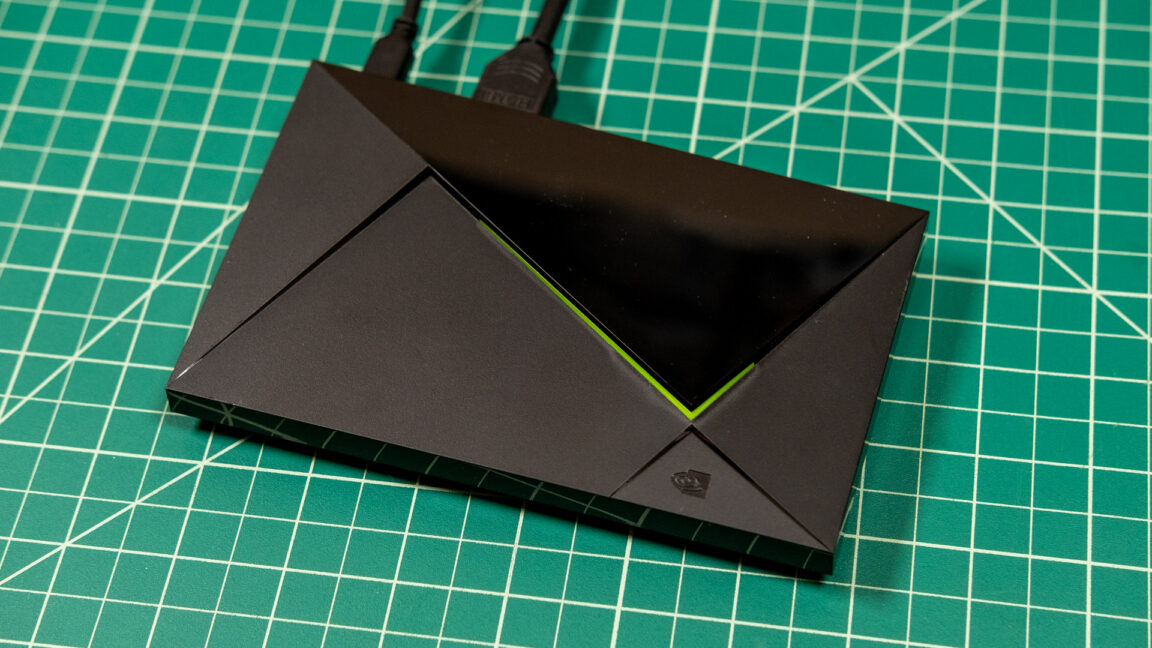
The 7-year-old Nvidia Shield TV is now $100 more expensive thanks to AI
The era of generative AI has upended technology supply chains, and there is one ironclad rule in 2026: If it has memory or storage, it's getting more expensive. Even devices with years-old tech inside are still apparently subject to that unwritten rule. Nvidia has just announced that the Shield TV Pro is getting $100 more expensive, effective immediately. The most recent version of the Shield streaming box debuted in 2019, running Android TV with AI upscaling and hardware decoding for almost any


