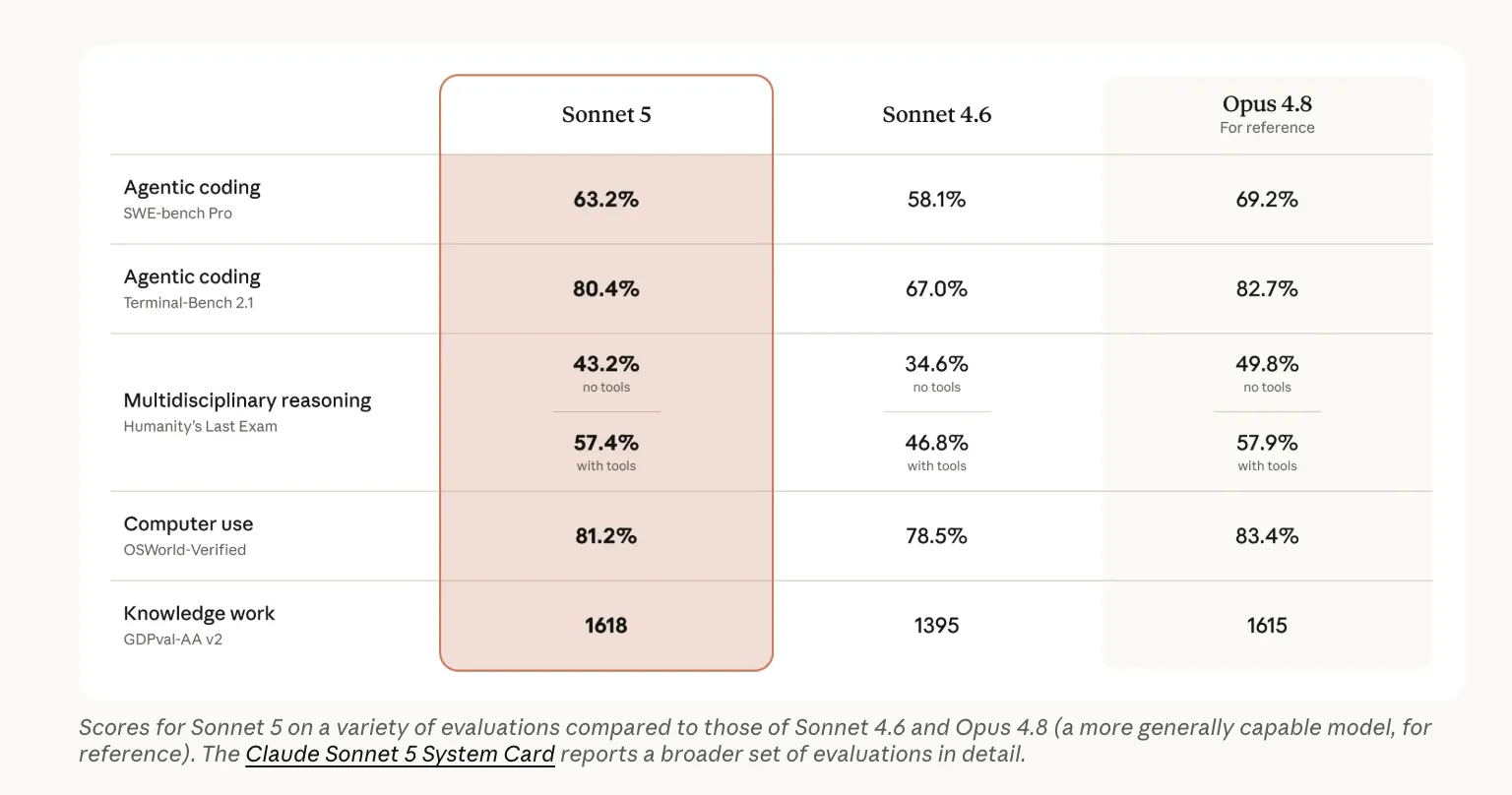
Newer Models, Same Advantage
Newer AI models continue outperforming older ones, suggesting the performance gap widens rather than plateaus.
Get smart on it
A specialized optical character recognition model designed for Brazilian Portuguese outperformed newer, more broadly capable multilingual models on Portuguese-language documents. The advantage stems from a fundamental design principle: when a model concentrates all its parameters on a single language and domain rather than distributing them across multiple languages, it achieves better performance on that specific task. The model was trained through two stages: supervised fine-tuning on Portuguese-language documents to build domain competency, followed by preference optimization to improve stability and reduce errors in production conditions. This demonstrates that architectural advancement alone does not necessarily overcome the structural advantage gained through domain specialization and targeted training.
Related news
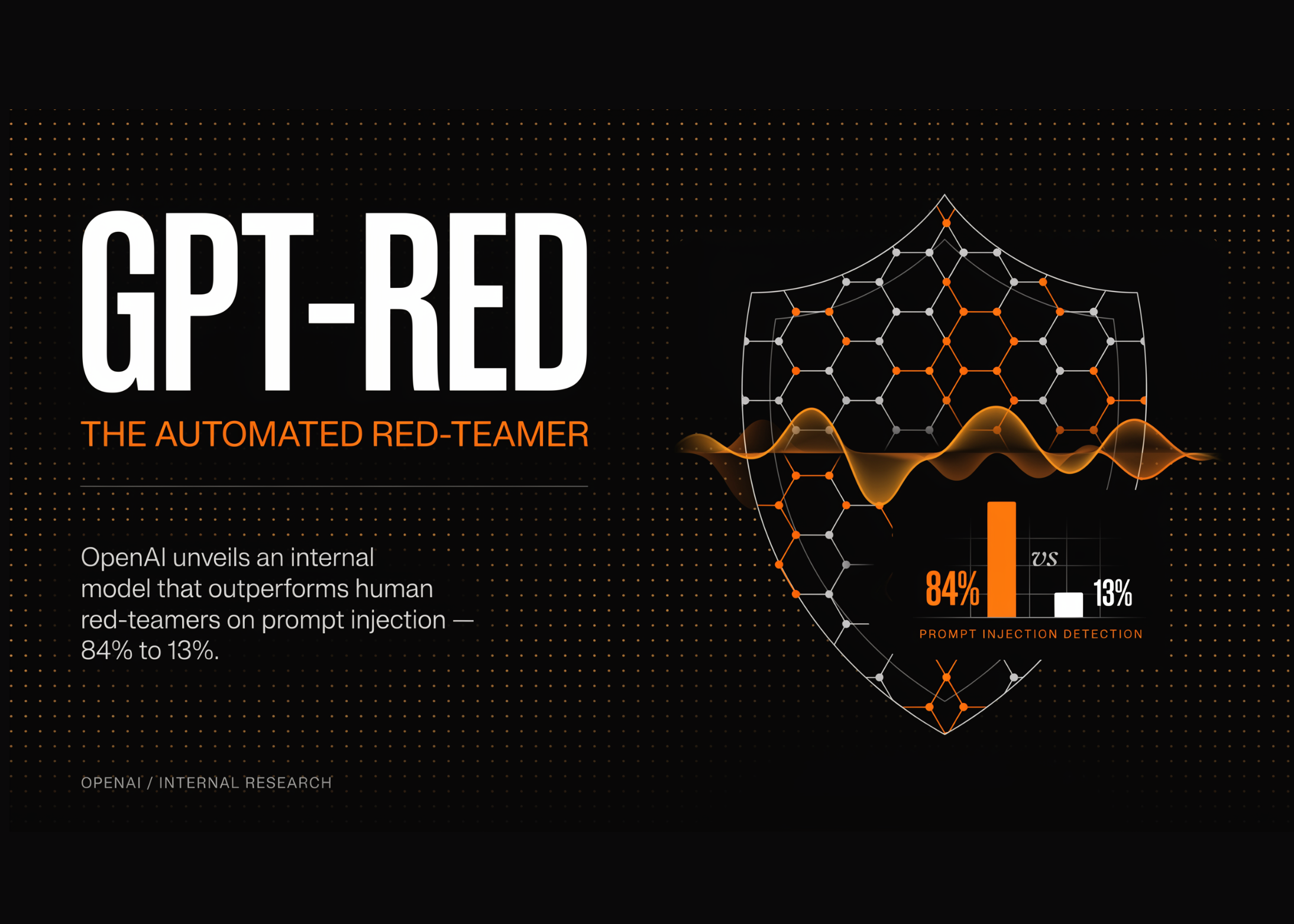
OpenAI Details GPT-Red: An Internal Automated Red-Teaming Model That Beat Human Red-Teamers 84% To 13% On Prompt Injection
This week, OpenAI published details of GPT-Red, an internal-only automated red-teaming model. Its job is to attack OpenAI’s own models and find prompt injection vulnerabilities. OpenAI gives two reasons. Human red-teaming is time-intensive and does not scale. Commonly used robustness evaluations are already saturated by its latest models. Meanwhile, the attack surface grows. Agents read third-party data through browsers, connected apps, local files, and tools. Those affordances are
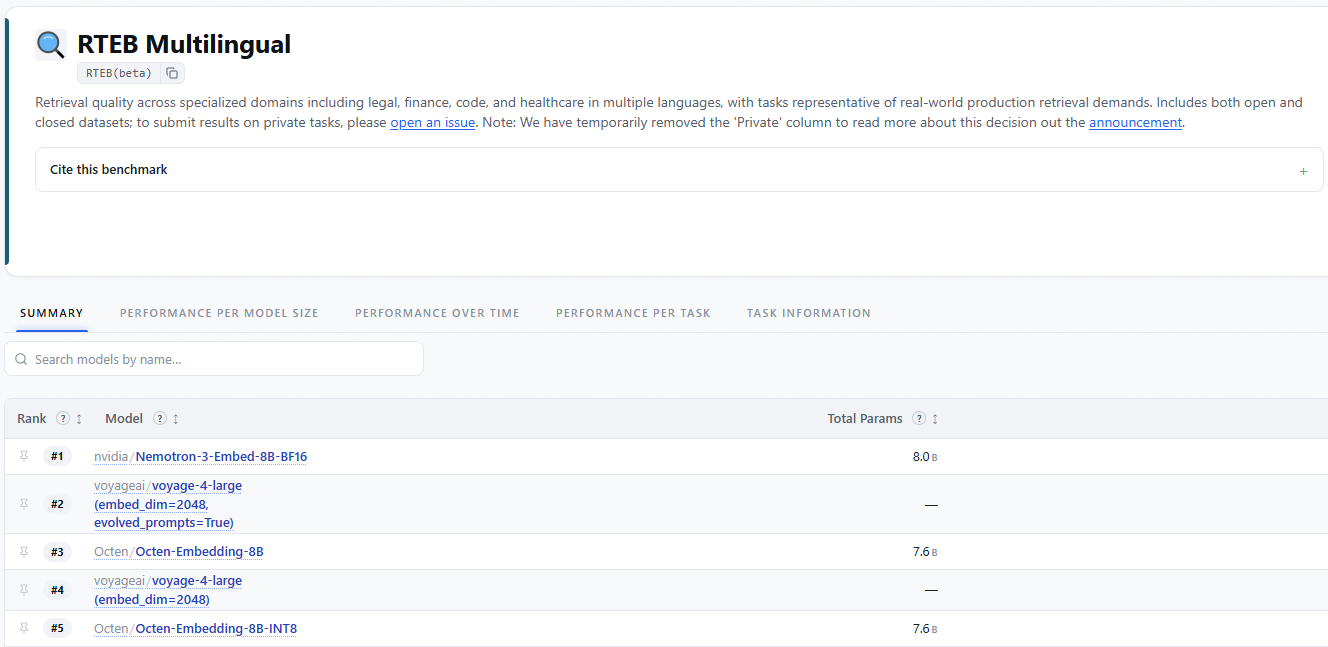
NVIDIA Nemotron 3 Embed Ranks #1 Overall on RTEB, Advancing Agentic Retrieval
Strong retrieval performance matters for AI systems that need to find and use information reliably for complex tasks.