Introducing Real World VoiceEQ: Measuring the human quality of voice AI
Existing benchmarks may not capture how people actually experience AI voice quality in everyday situations.
Get smart on it
Real World VoiceEQ is a benchmark that measures how well voice AI systems perform in real-world conversations by evaluating qualities like tone, emotion, speaker identity, and understanding of acoustic information that traditional metrics miss. The benchmark was developed from over one million human ratings across different demographics and acoustic environments, and it evaluates more than 40 voice models across multiple dimensions including speech recognition, text-to-speech, and speech understanding. Key findings show that voice models are better at speaking than listening, traditional benchmarks overestimate real-world performance, and human evaluation remains essential because models often miss paralinguistic cues like hesitation and tone that humans use to understand confidence, uncertainty, and emotion. As voice becomes a primary interface for AI interactions across customer support, healthcare, education, and personal assistants, measuring human quality in voice systems has become increasingly important.
Related news
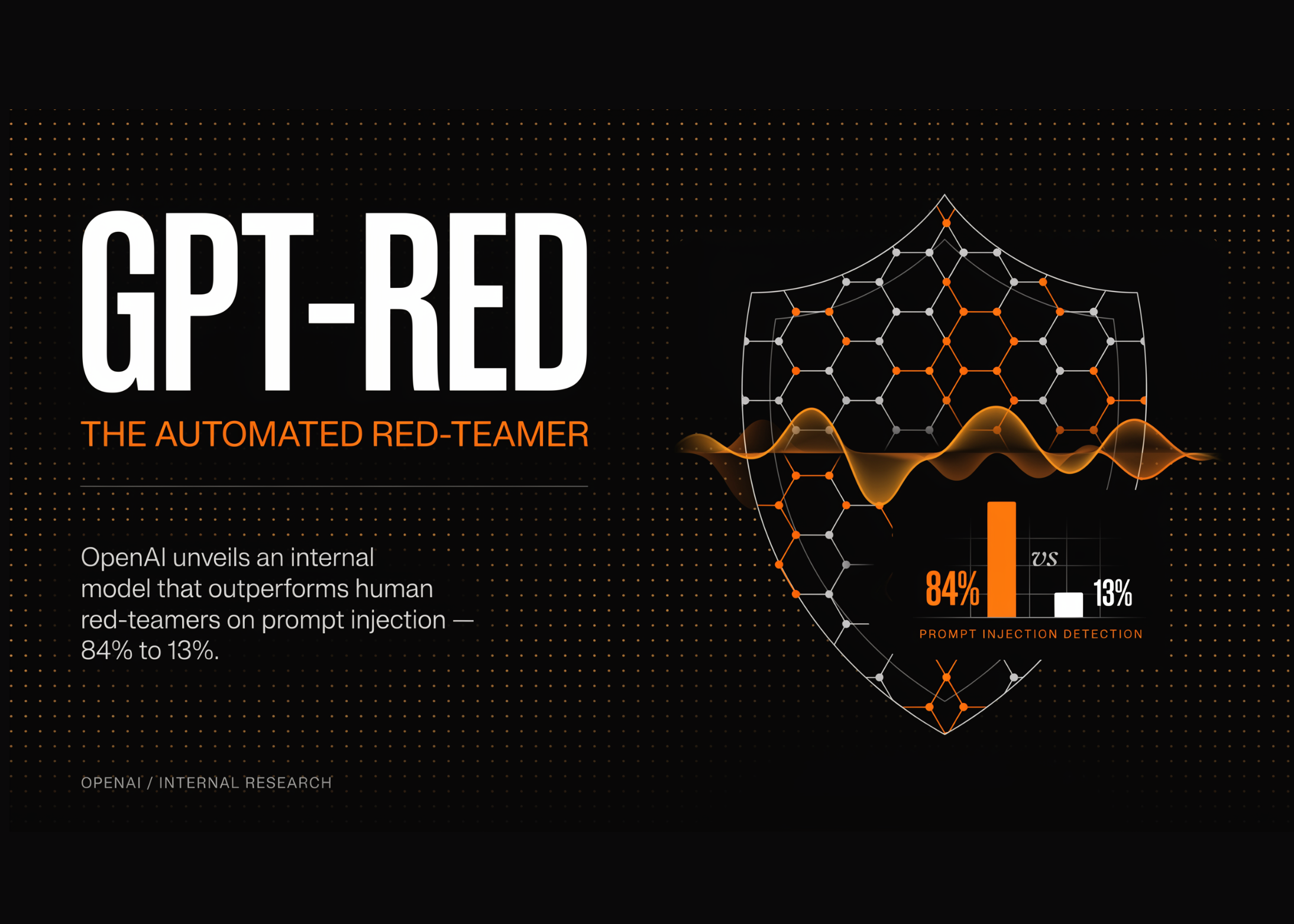
OpenAI Details GPT-Red: An Internal Automated Red-Teaming Model That Beat Human Red-Teamers 84% To 13% On Prompt Injection
This week, OpenAI published details of GPT-Red, an internal-only automated red-teaming model. Its job is to attack OpenAI’s own models and find prompt injection vulnerabilities. OpenAI gives two reasons. Human red-teaming is time-intensive and does not scale. Commonly used robustness evaluations are already saturated by its latest models. Meanwhile, the attack surface grows. Agents read third-party data through browsers, connected apps, local files, and tools. Those affordances are
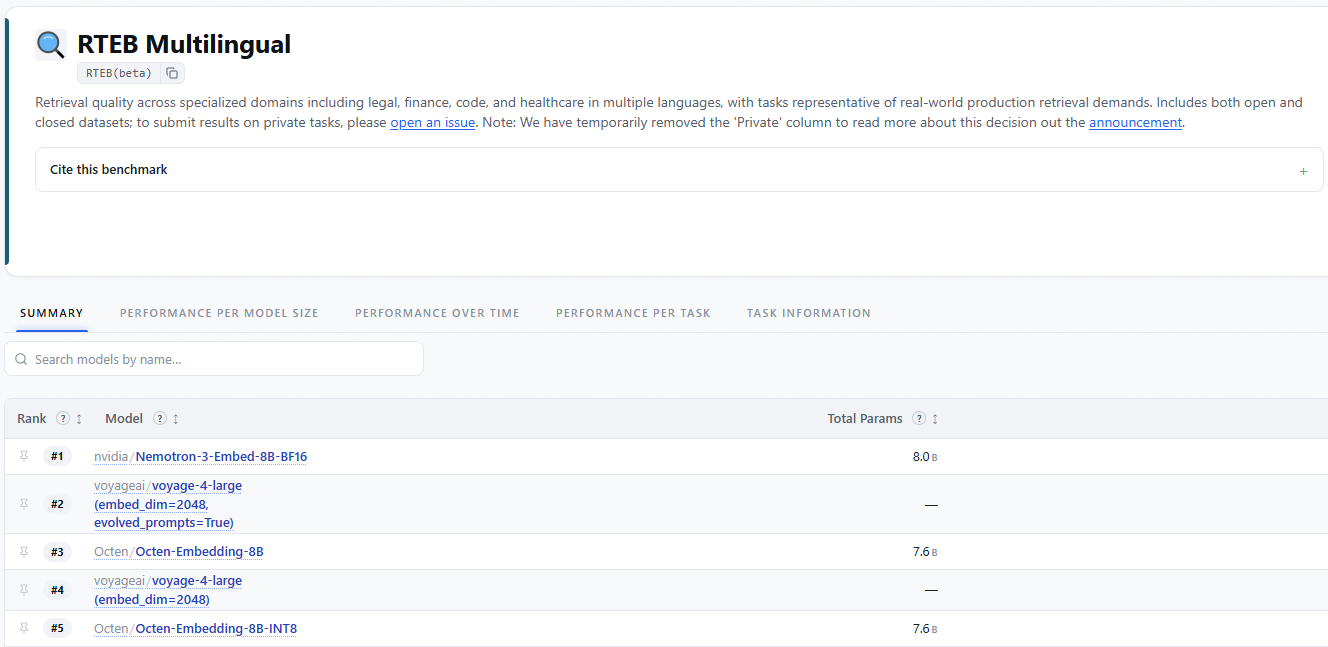
NVIDIA Nemotron 3 Embed Ranks #1 Overall on RTEB, Advancing Agentic Retrieval
Strong retrieval performance matters for AI systems that need to find and use information reliably for complex tasks.