Xpanner rolls out X1 Panel Lift for automated solar panel installation
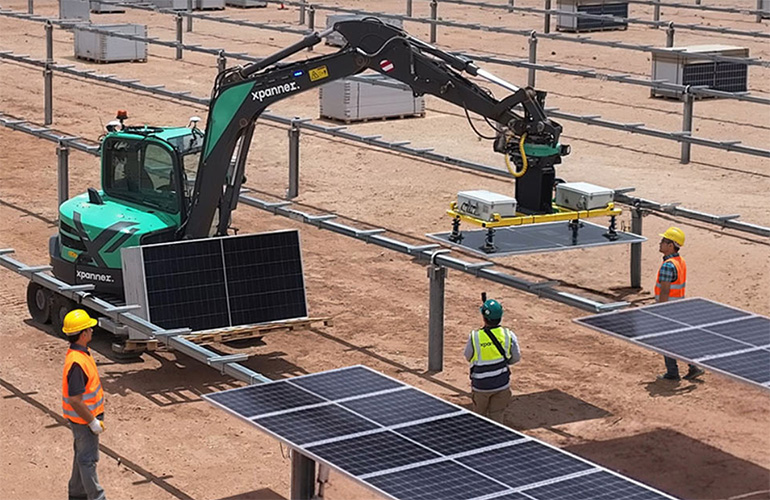
The X1 Panel Lift kit is added to existing equipment for solar panel installation. Source: Xpanner Xpanner Global yesterday released its X1 Panel Lift system, which is designed to address the skilled labor constraint facing the solar industry. The platform, which was previously deployed for solar pile-driving applications, has now been expanded to automated panel lifting and replacement with excavators. Utility-scale solar projects depend on large crews to manually carry, position, and place hea
Get smart on it
A construction robotics company has released an automated system for lifting and placing solar panels during utility-scale solar installations. The system attaches to standard excavators as a retrofit kit and uses sensors and automation software to handle the repetitive work of carrying and positioning panels, allowing installation crews to focus on alignment, fastening, and quality checks instead. Solar installation traditionally requires large crews performing manual material handling across thousands of panel locations, which the company says creates labor constraints in the industry. The system operates via a subscription model that includes hardware, software licensing, technical support, and real-time tracking of installation progress.
Related news

A Humanoid Company Backed by Eric Trump Is Preparing Its Robots for War
The CEO of Foundation Future Industries, which counts the president’s son as its chief strategy adviser, tells WIRED it’s exploring some “kinetic things.”
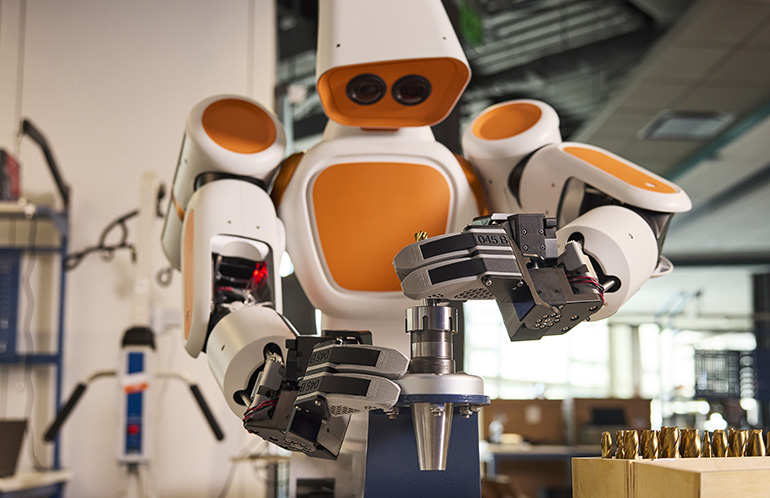
Fear of humanoid robots spurs human workers to strike at Hyundai auto factory
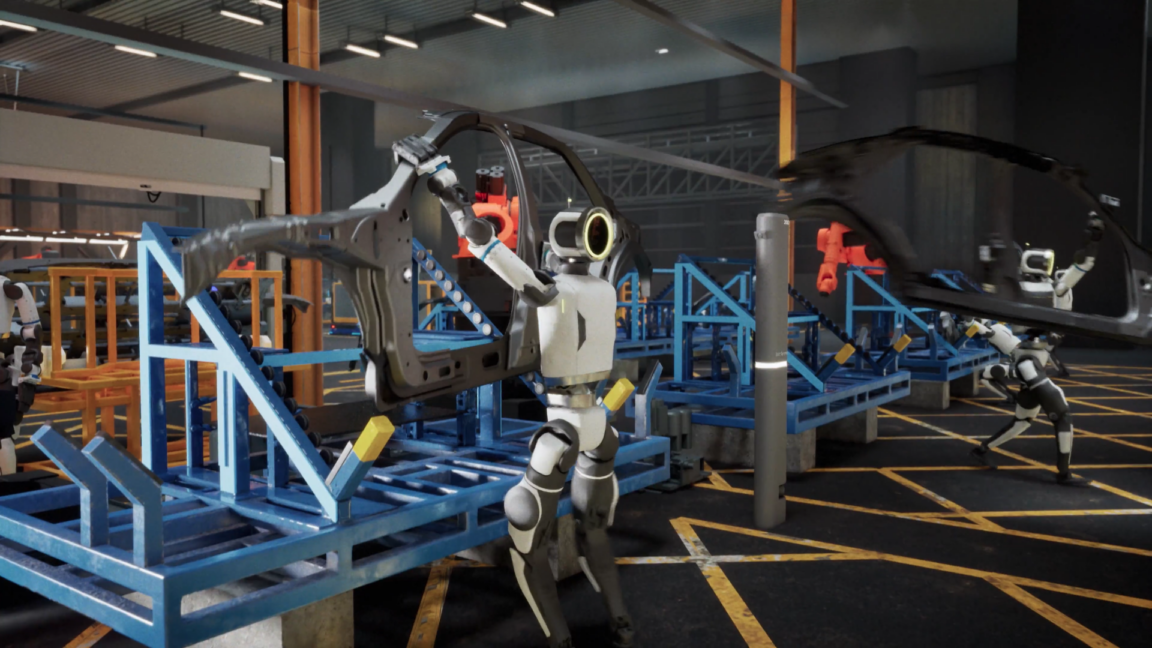
Thousands of unionized Hyundai auto workers began walking off the job early after negotiations with the South Korean automaker broke down over plans to deploy humanoid robots—the most significant pushback from organized labor so far over the latest wave of robotic automation. The partial strike at Hyundai’s automotive production complex in the city of Ulsan in South Korea represents “the car industry’s first factory stoppage addressing humanoid robots,” according to The Wall Street Journal. Work