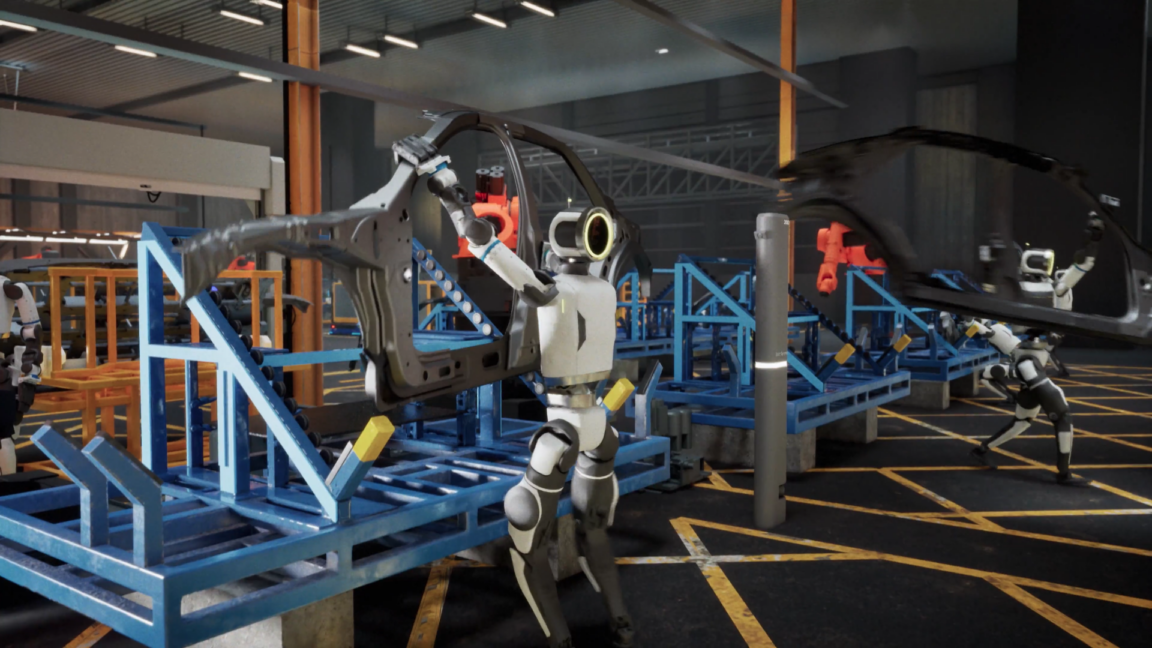
Fear of humanoid robots spurs human workers to strike at Hyundai auto factory
Thousands of unionized Hyundai auto workers began walking off the job early after negotiations with the South Korean automaker broke down over plans to deploy humanoid robots—the most significant pushback from organized labor so far over the latest wave of robotic automation. The partial strike at Hyundai’s automotive production complex in the city of Ulsan in South Korea represents “the car industry’s first factory stoppage addressing humanoid robots,” according to The Wall Street Journal. Work
Get smart on it
Unionized workers at a major automaker's South Korean factory have begun striking after negotiations failed over plans to deploy humanoid robots in manufacturing. The robots in question stand over 6 feet tall, can lift more than 100 pounds, and the company aims to deploy more than 25,000 of them across its plants, with deployment in US factories planned to begin in 2028. Workers are concerned about job security because the robots may eventually cost less to operate than human workers, and the union is demanding protections including fixed salaries instead of hourly pay and higher retirement ages. This represents the car industry's first factory stoppage specifically addressing humanoid robots, though the broader use of automation in automotive manufacturing has been ongoing for decades.
Related news

A Humanoid Company Backed by Eric Trump Is Preparing Its Robots for War
The CEO of Foundation Future Industries, which counts the president’s son as its chief strategy adviser, tells WIRED it’s exploring some “kinetic things.”
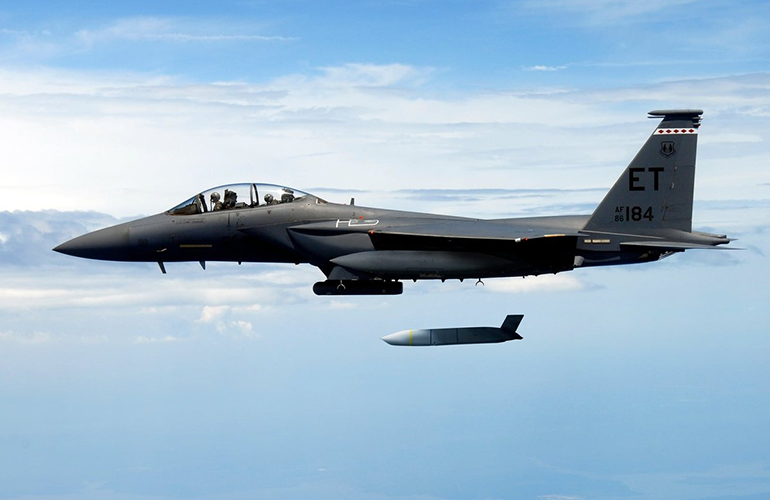
Lockheed Martin taps Machina’s robots for mission-critical missile parts
Machina has been awarded a qualification contract from Lockheed Martin in support of the JASSM program. | Credit: Machina Labs Advanced manufacturing and robotics pioneer Machina Labs has secured a landmark qualification contract from Lockheed Martin to support the Joint Air-to-Surface Standoff Missile, or JASSM, program, marking the first time a component built using the company’s robotic “RoboForming” technology has advanced to qualification for a U.S. defense missile system.