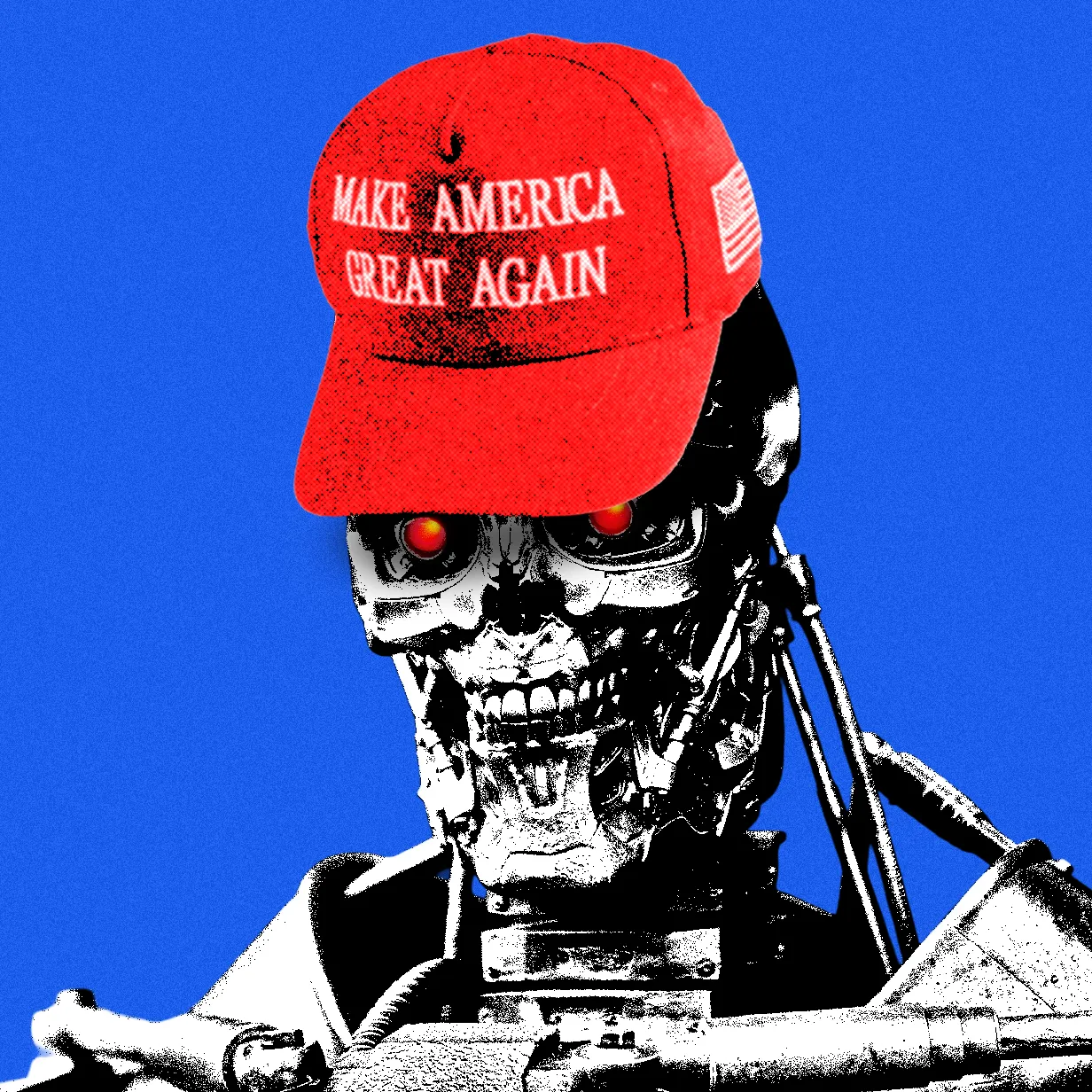
A Humanoid Company Backed by Eric Trump Is Preparing Its Robots for War
The CEO of Foundation Future Industries, which counts the president’s son as its chief strategy adviser, tells WIRED it’s exploring some “kinetic things.”
Get smart on it
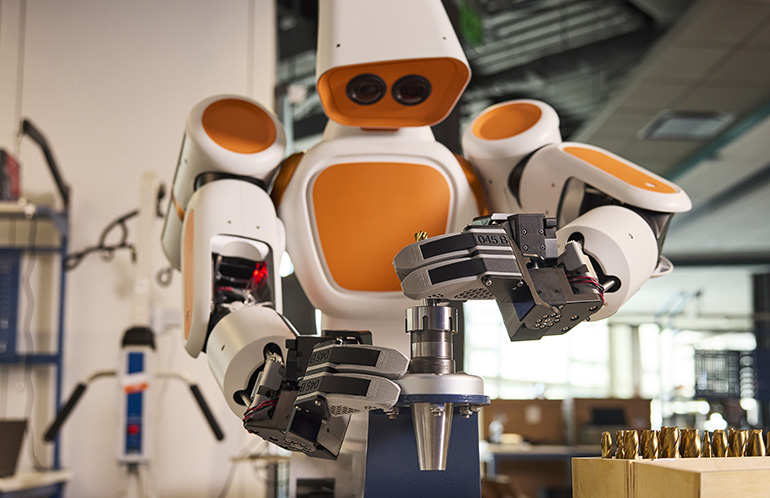
A startup is developing humanoid robots designed for military use, with plans to add weapons capabilities in the coming months. The company, which is backed by the president's son as chief strategy adviser, has already tested its robots with Ukrainian forces and holds government contracts. The U.S. military has long pursued humanoid robot technology through various programs, viewing them as potentially useful for tasks currently performed by human soldiers in dangerous situations. However, robotics experts caution that fully autonomous combat robots remain years or more away from practical deployment, citing major unsolved challenges in perception, navigation, and physical manipulation, alongside ethical concerns about autonomous weapons systems.
Related news
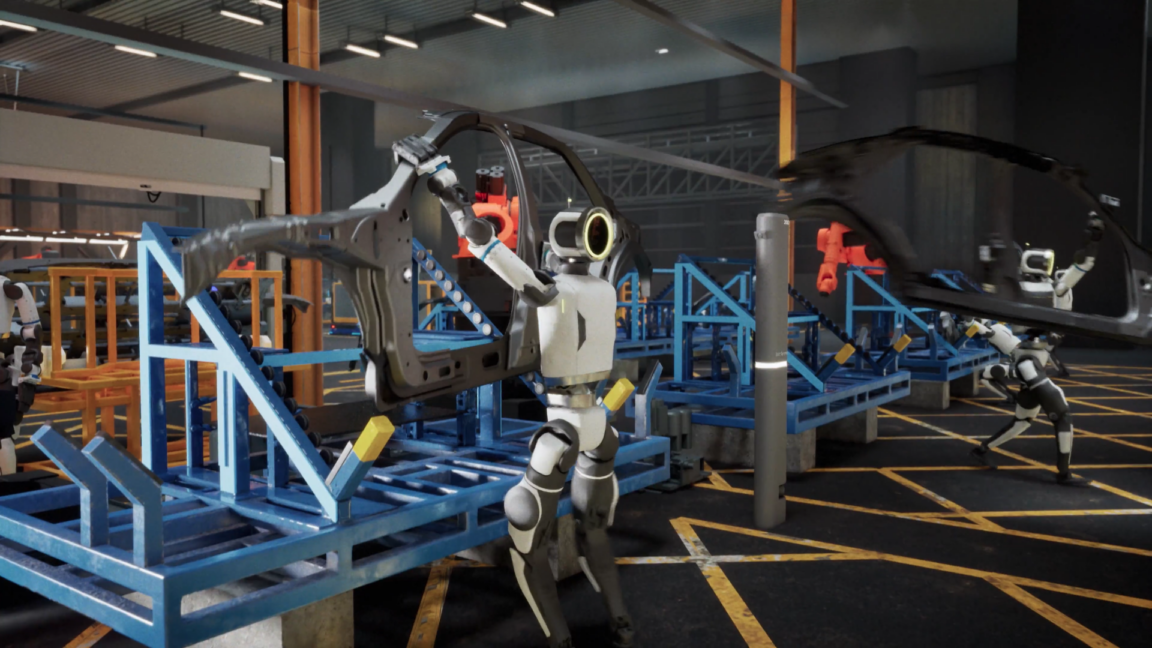
Fear of humanoid robots spurs human workers to strike at Hyundai auto factory
Thousands of unionized Hyundai auto workers began walking off the job early after negotiations with the South Korean automaker broke down over plans to deploy humanoid robots—the most significant pushback from organized labor so far over the latest wave of robotic automation. The partial strike at Hyundai’s automotive production complex in the city of Ulsan in South Korea represents “the car industry’s first factory stoppage addressing humanoid robots,” according to The Wall Street Journal. Work
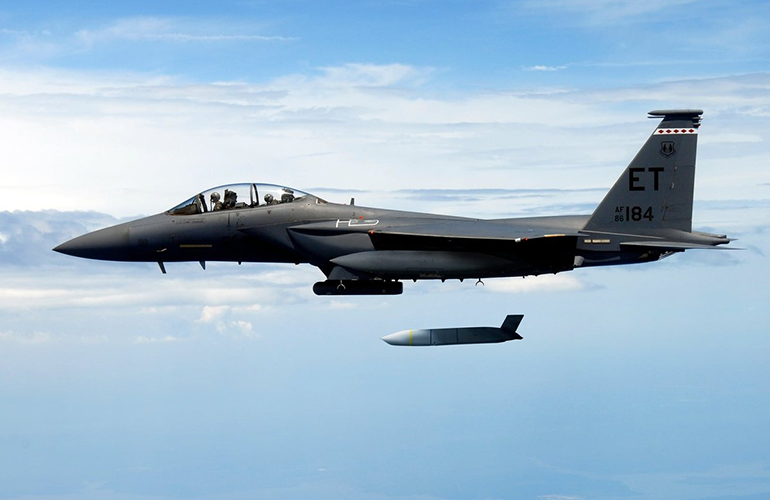
Lockheed Martin taps Machina’s robots for mission-critical missile parts
Machina has been awarded a qualification contract from Lockheed Martin in support of the JASSM program. | Credit: Machina Labs Advanced manufacturing and robotics pioneer Machina Labs has secured a landmark qualification contract from Lockheed Martin to support the Joint Air-to-Surface Standoff Missile, or JASSM, program, marking the first time a component built using the company’s robotic “RoboForming” technology has advanced to qualification for a U.S. defense missile system.