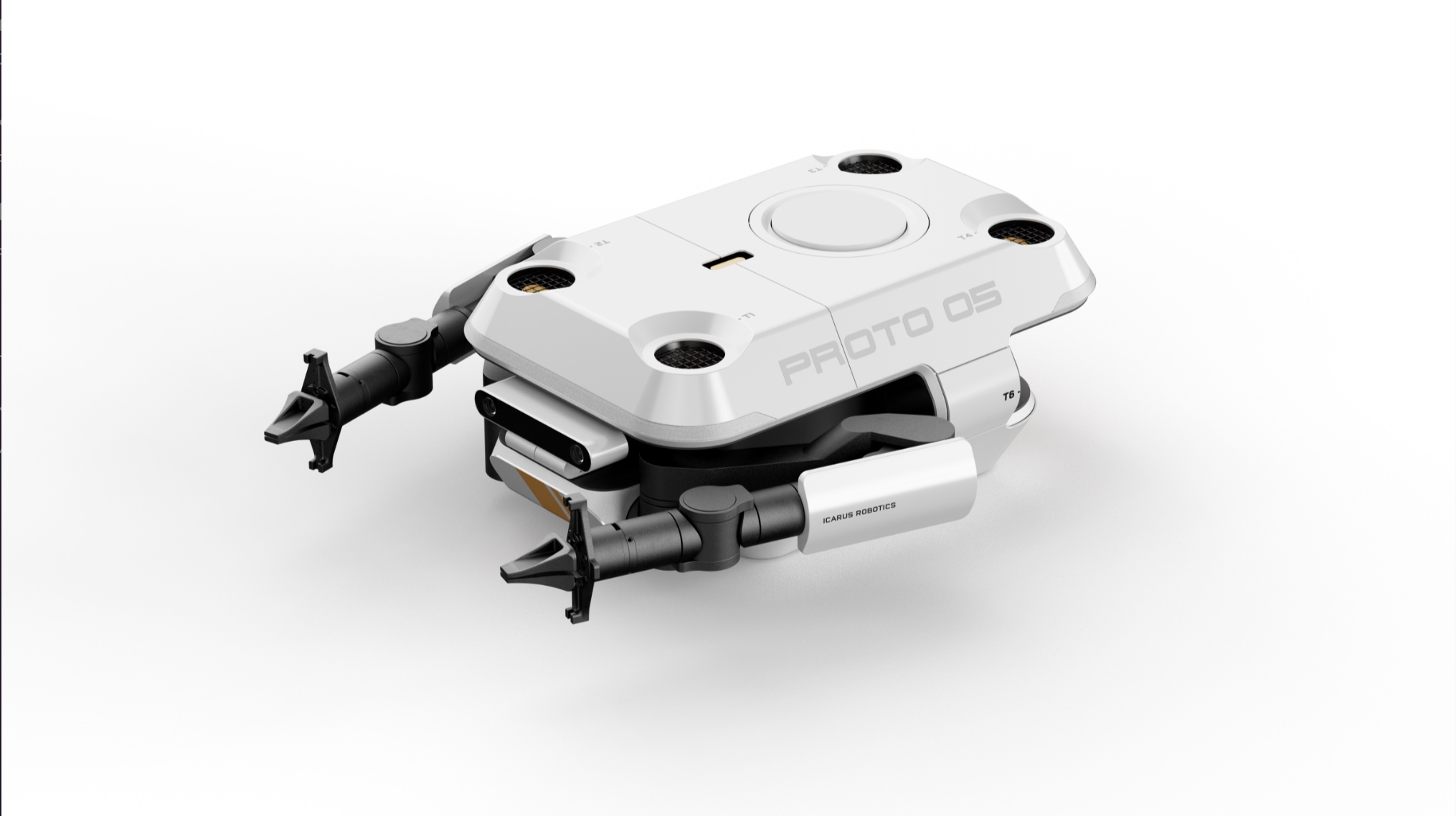
Icarus Robotics uses KULR technology to power JOY free-flying space robot
A rendering of a production-ready version of Joy. | Source: Icarus Robotics Icarus Robotics today said it has chosen KULR Technology Group as the battery provider for JOY, its autonomous free-flying platform. JOY will travel to the International Space Station, or ISS, in early 2027. Under the agreement, KULR will supply its KULR ONE Space (K1S) battery systems to power JOY’s onboard systems as it autonomously navigates, maneuvers, and operates aboard the ISS. The Webster, Texas-based company eng
Get smart on it
A startup company is sending an autonomous free-flying robot to the International Space Station in early 2027, powered by specialized battery systems designed to meet strict NASA safety standards for crewed spacecraft. The robot, which uses artificial intelligence, is intended to handle routine tasks and maintenance work so that astronauts can focus on higher-value research activities. NASA requires batteries flying near crew members to meet extremely stringent safety specifications, including the ability to prevent a single failing cell from causing a chain reaction failure throughout the battery pack. The battery manufacturer's previous flight history on a lunar mission was a key factor in the selection, as proven space heritage significantly speeds up NASA's approval process for new equipment.
Related news
A Humanoid Company Backed by Eric Trump Is Preparing Its Robots for War
The CEO of Foundation Future Industries, which counts the president’s son as its chief strategy adviser, tells WIRED it’s exploring some “kinetic things.”
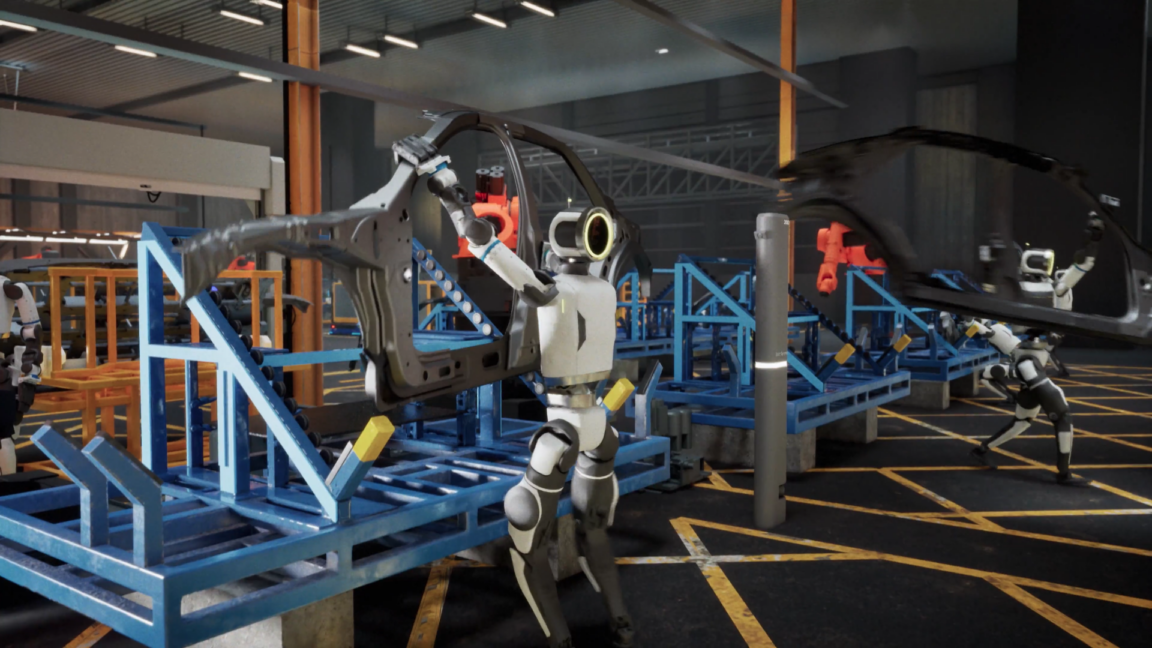
Fear of humanoid robots spurs human workers to strike at Hyundai auto factory
Thousands of unionized Hyundai auto workers began walking off the job early after negotiations with the South Korean automaker broke down over plans to deploy humanoid robots—the most significant pushback from organized labor so far over the latest wave of robotic automation. The partial strike at Hyundai’s automotive production complex in the city of Ulsan in South Korea represents “the car industry’s first factory stoppage addressing humanoid robots,” according to The Wall Street Journal. Work