Will ‘boring’ robots win in the real world? Why robotic form should follow workflow
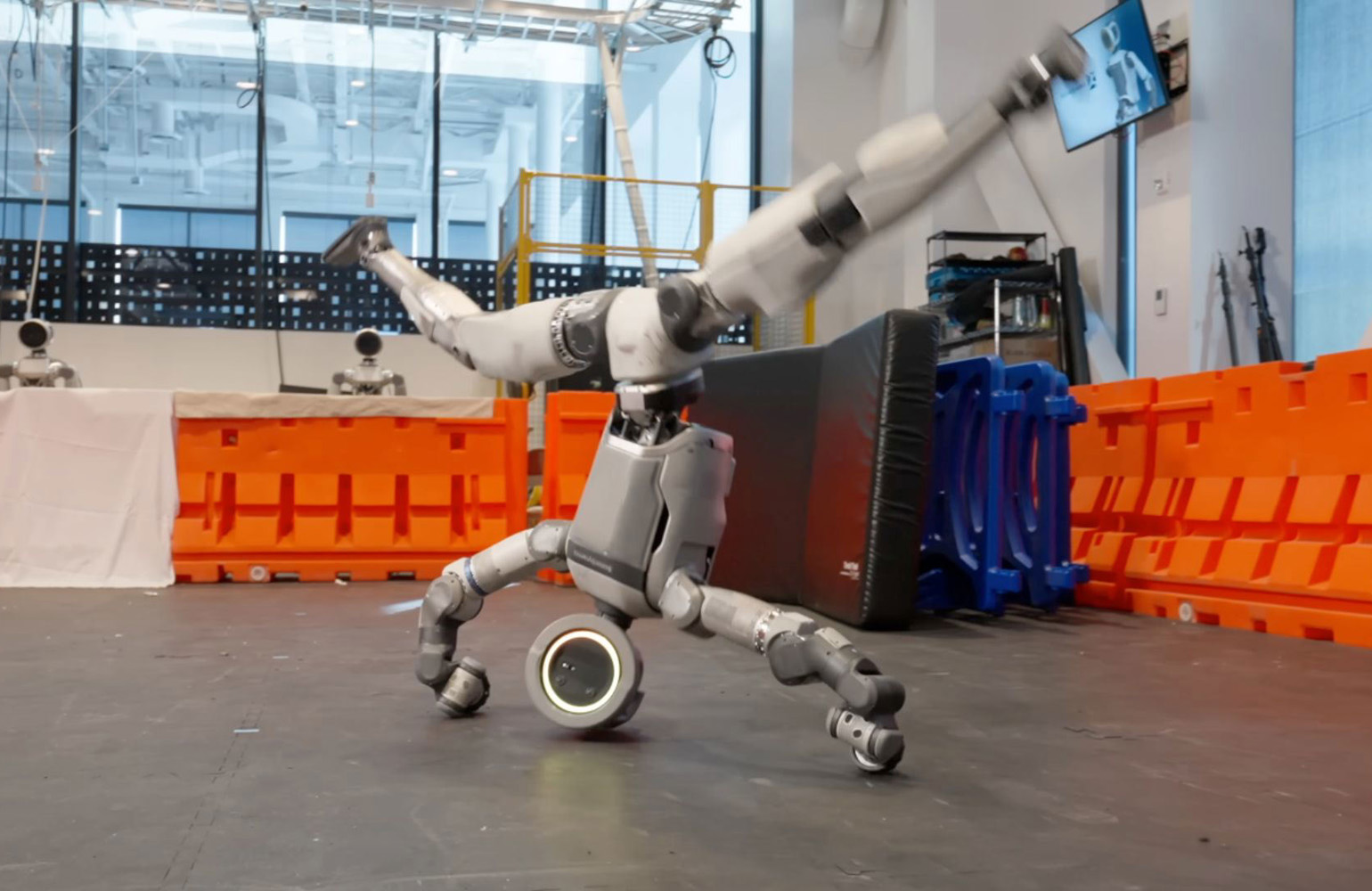
The Atlas humanoid robot doing a cartwheel. | Source: Boston Dynamics Robots have captured our imagination. We have seen humanoids balancing on one leg, doing backflips, folding laundry, and moving smoothly over difficult terrain. This is all behavior that only a few years ago seemed like something out of science fiction. These viral examples matter because they show that embodied AI has reached a new technical stage. At the same time, the window on what qualifies as a “humanoid robot” see
Get smart on it
The robotics industry has become focused on building impressive humanoid platforms first and then searching for tasks to assign them, but a more successful approach would reverse this process by starting with a specific industrial workflow and designing the robot's form and capabilities to match that task. The distinction matters because different tasks require entirely different hardware requirements: a pin insertion job needs precise micro-force sensing below 0.1 N, while pallet packing requires heavy payload capacity and durability for millions of cycles. Whether a humanoid form factor is necessary depends on the operating environment, as specialized non-humanoid robots perform better in newly built greenfield sites, but humanoid designs become advantageous in existing brownfield facilities designed for human workers. Real-world success is determined not by viral demonstration videos but by whether robots can survive repeated deployments through thousands of cycles with minimal sensor drift and recalibration needs.
Related news
Why dexterity is physical AI’s real bottleneck
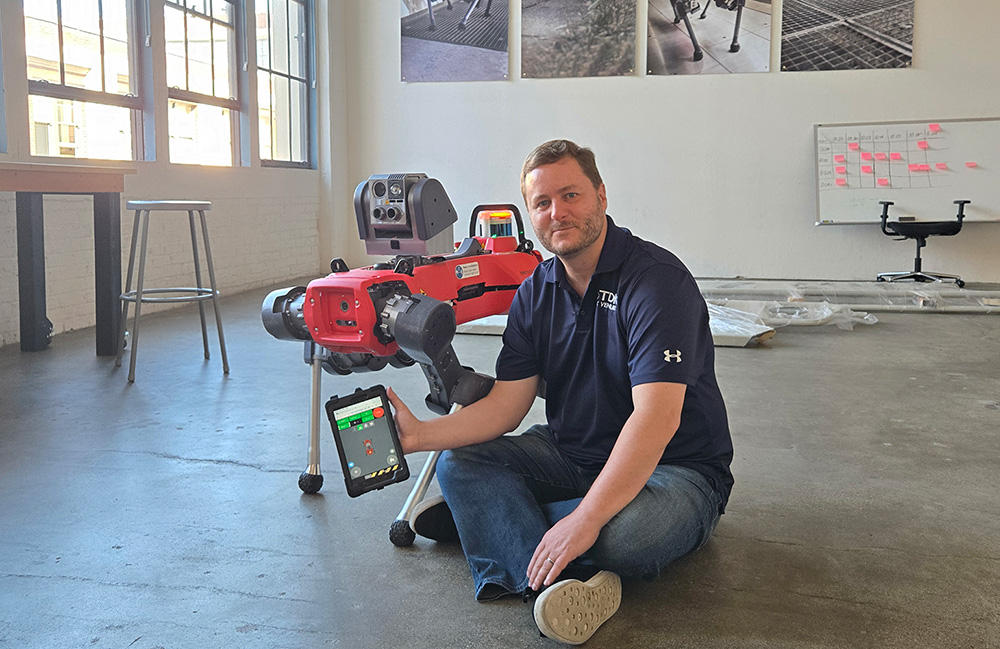
Nicolas Sauvage, founder and president of TDK Ventures, with ANYbotics’ quadruped robot. | Source: TDK Ventures A robot picks up an object, moves it, and puts it down successfully. Is it dexterous? Perhaps. But now ask it to do that successfully hundreds of times, while objects move slightly, its grip changes, components wear, and unexpected failures occur. That is a much harder test of dexterity, and a much better measure of whether a robot is dexterous enough for the real world. We are m

Why humanoid robot demos still fail the generalization test
The Robot Report Podcast · Why humanoid robot demos still fail the generalization test Jeanine Sinanan-Singh, director of GenAI research at Appen. In Episode 265 of The Robot Report Podcast, our guest is Jeanine Sinanan-Singh, director of generative AI Research at Appen. She discusses the continuing importance of humans in the loop for training robots. Sinanan-Singh works on agentic evals, RL environments, and dataset design for post-training frontier AI models. She also explains why impressive