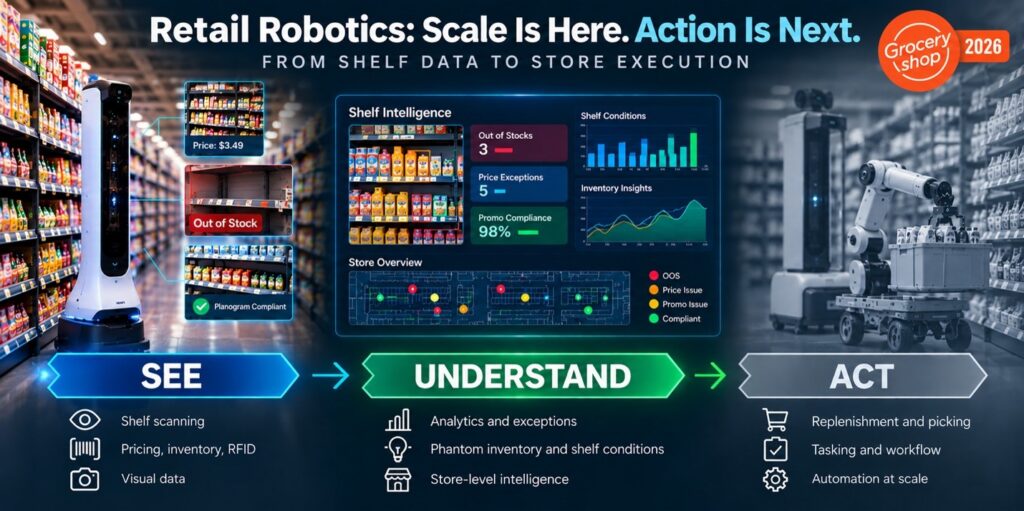
Groceryshop 2026 shows that retail robots are ready to scale, use AI
Groceryshop 2026 provided an opportunity to assess the state of retail robotics. Source: Georges Mirza It has been more than a decade since I first helped to bring robots to live retail center stores. Long gone are retailers’ concerns about robots taking jobs, scaring kids, accidentally bumping into shoppers, or simply disrupting the grocery shopping experience. It is good to see how much the industry has advanced; we have come a long way. Now that we are seeing scale, we can start using near-re
Get smart on it
Retail robots are advancing in capability and deployment across stores, with companies moving beyond basic shelf scanning to make data actionable for store operations. At a recent industry conference, multiple robotics companies demonstrated progress in scaling their platforms, including one that has deployed 3,000 robots globally and others developing new approaches like foldable robots for smaller retailers and mobile robots for physical product picking. The industry is transitioning from robots that observe retail execution to robots that can perform tasks like moving products, with companies focusing on translating the continuous data these robots collect into decisions that improve store-level execution. This shift represents a maturing market where the competitive advantage will depend on how effectively collected shelf and store data is converted into actionable intelligence rather than simply providing data feeds alone.
Related news
Will ‘boring’ robots win in the real world? Why robotic form should follow workflow
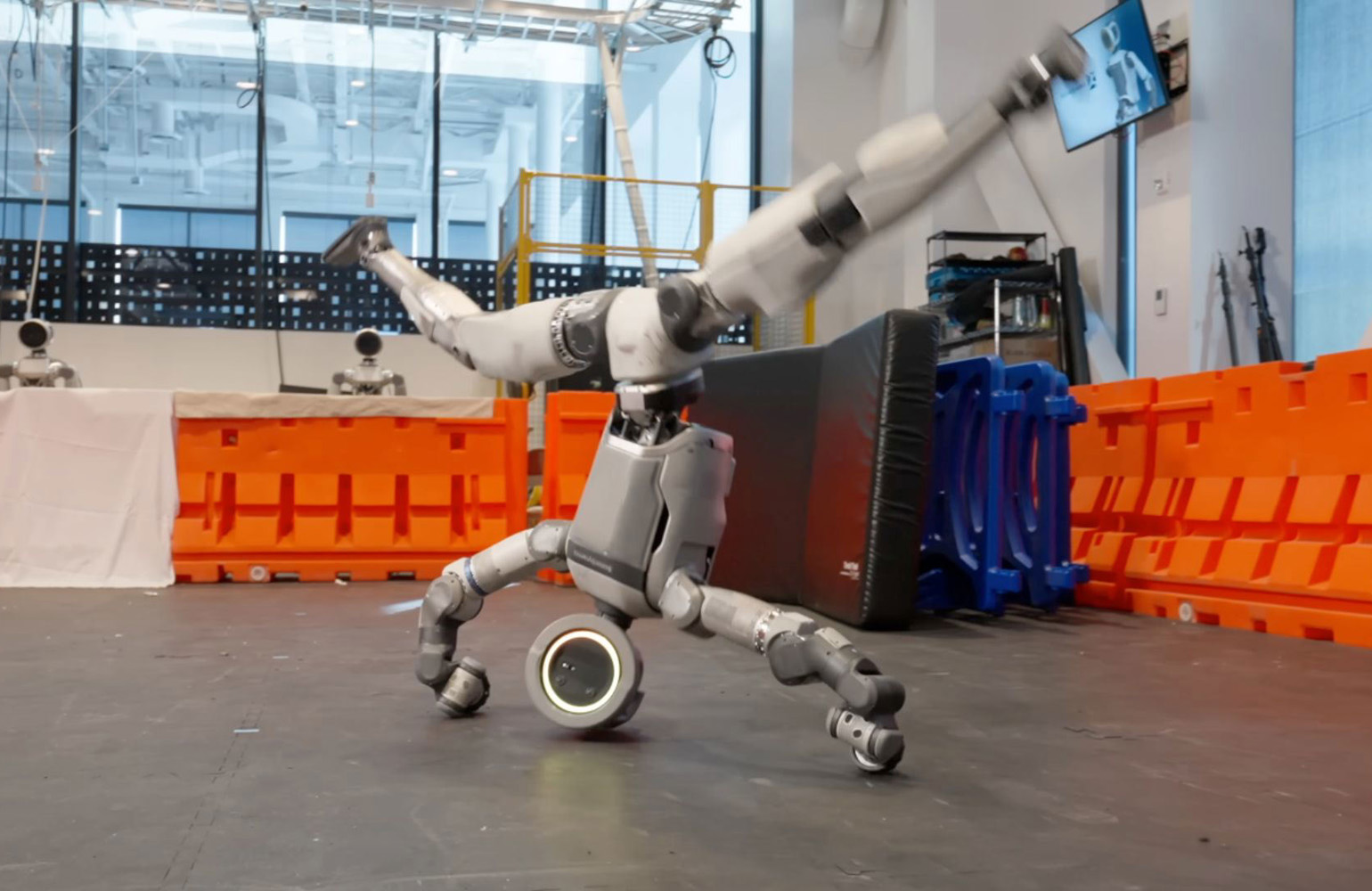
The Atlas humanoid robot doing a cartwheel. | Source: Boston Dynamics Robots have captured our imagination. We have seen humanoids balancing on one leg, doing backflips, folding laundry, and moving smoothly over difficult terrain. This is all behavior that only a few years ago seemed like something out of science fiction. These viral examples matter because they show that embodied AI has reached a new technical stage. At the same time, the window on what qualifies as a “humanoid robot” see
Why dexterity is physical AI’s real bottleneck
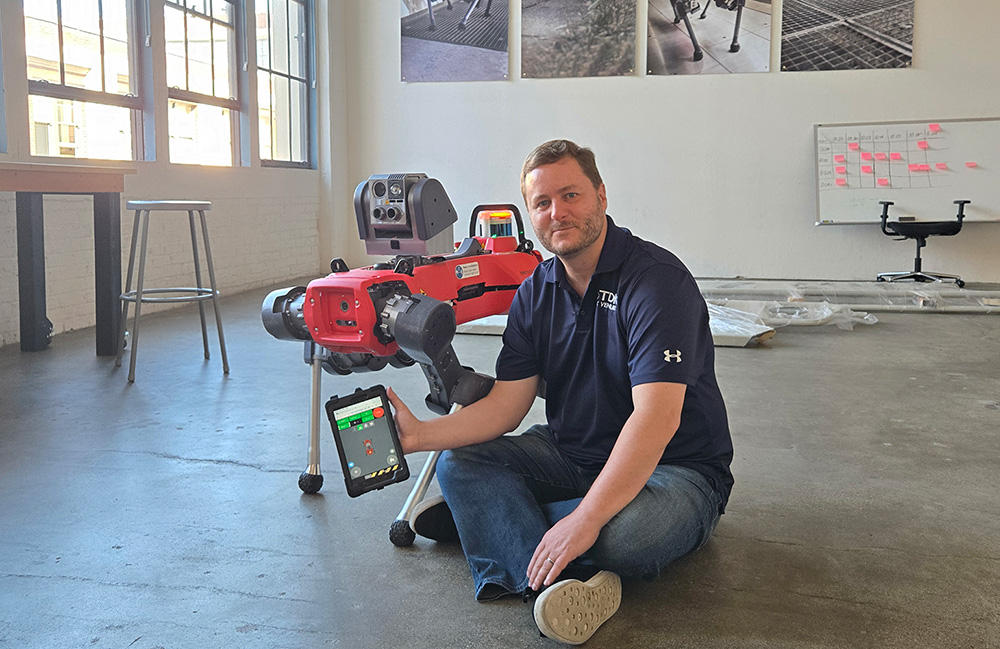
Nicolas Sauvage, founder and president of TDK Ventures, with ANYbotics’ quadruped robot. | Source: TDK Ventures A robot picks up an object, moves it, and puts it down successfully. Is it dexterous? Perhaps. But now ask it to do that successfully hundreds of times, while objects move slightly, its grip changes, components wear, and unexpected failures occur. That is a much harder test of dexterity, and a much better measure of whether a robot is dexterous enough for the real world. We are m