Why dexterity is physical AI’s real bottleneck
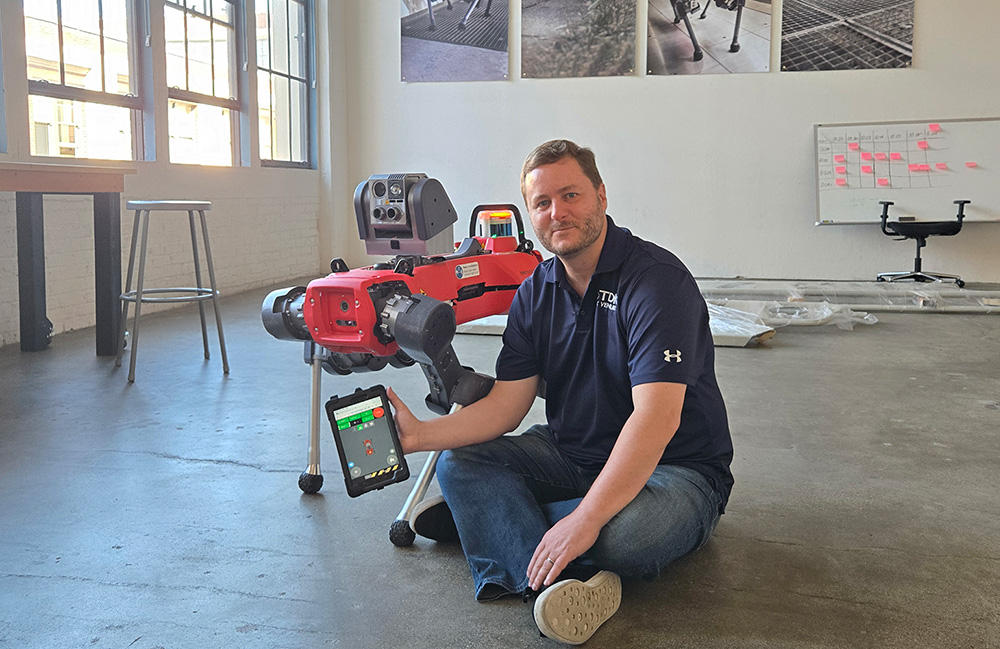
Nicolas Sauvage, founder and president of TDK Ventures, with ANYbotics’ quadruped robot. | Source: TDK Ventures A robot picks up an object, moves it, and puts it down successfully. Is it dexterous? Perhaps. But now ask it to do that successfully hundreds of times, while objects move slightly, its grip changes, components wear, and unexpected failures occur. That is a much harder test of dexterity, and a much better measure of whether a robot is dexterous enough for the real world. We are m
Get smart on it
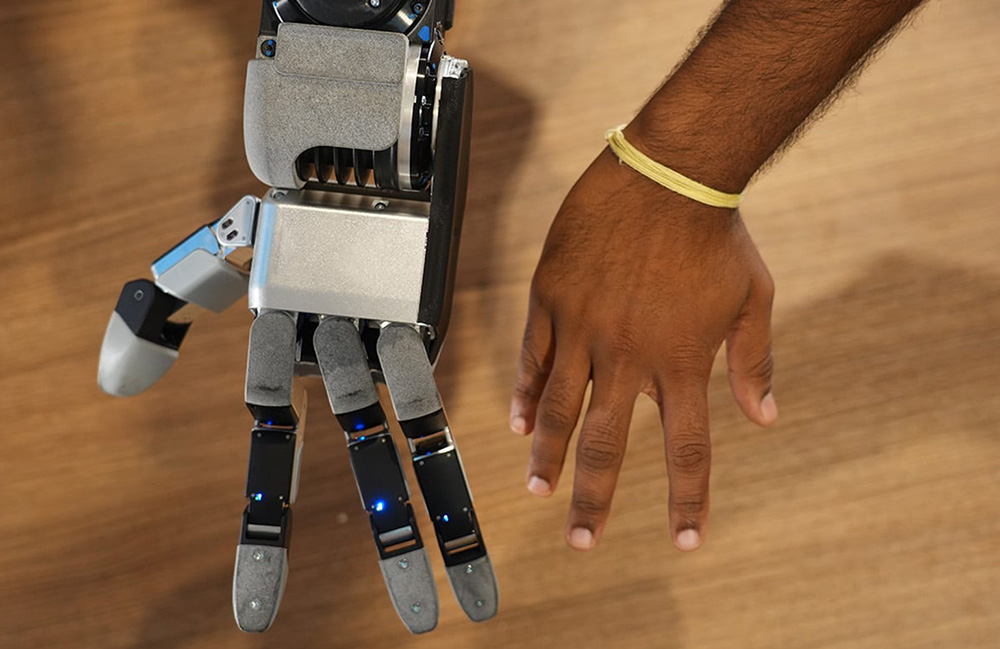
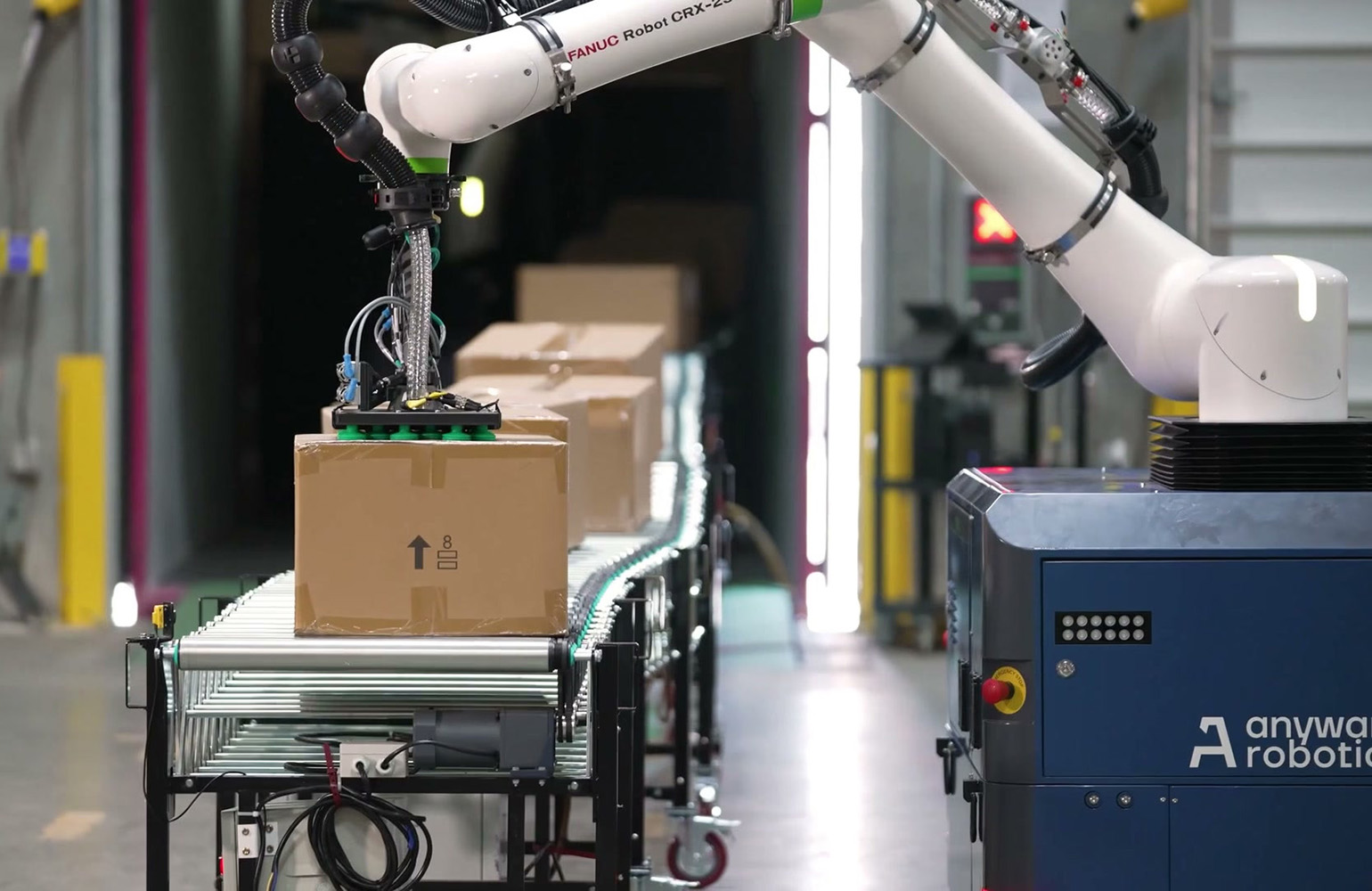
Robotic dexterity is not just the ability to perform a single manipulation task successfully, but rather the capacity to complete an entire workflow reliably without constant human assistance. The practical challenge becomes apparent when considering that a robot with a 99 percent success rate on individual actions has only a 36.6 percent probability of completing a 100-action sequence without failure, demonstrating how small reliability gaps compound across workflows. Effective dexterity requires a closed-loop system integrating vision, position, contact, force, pressure, grasp, movement, and adjustment capabilities rather than simply maximizing hardware features like fingers or joints. The path to higher reliability involves real-world deployment cycles where failures expose problems in software, sensing, control, or hardware, generating data that can improve the entire system through repeated learning and refinement.
Related news
Will ‘boring’ robots win in the real world? Why robotic form should follow workflow
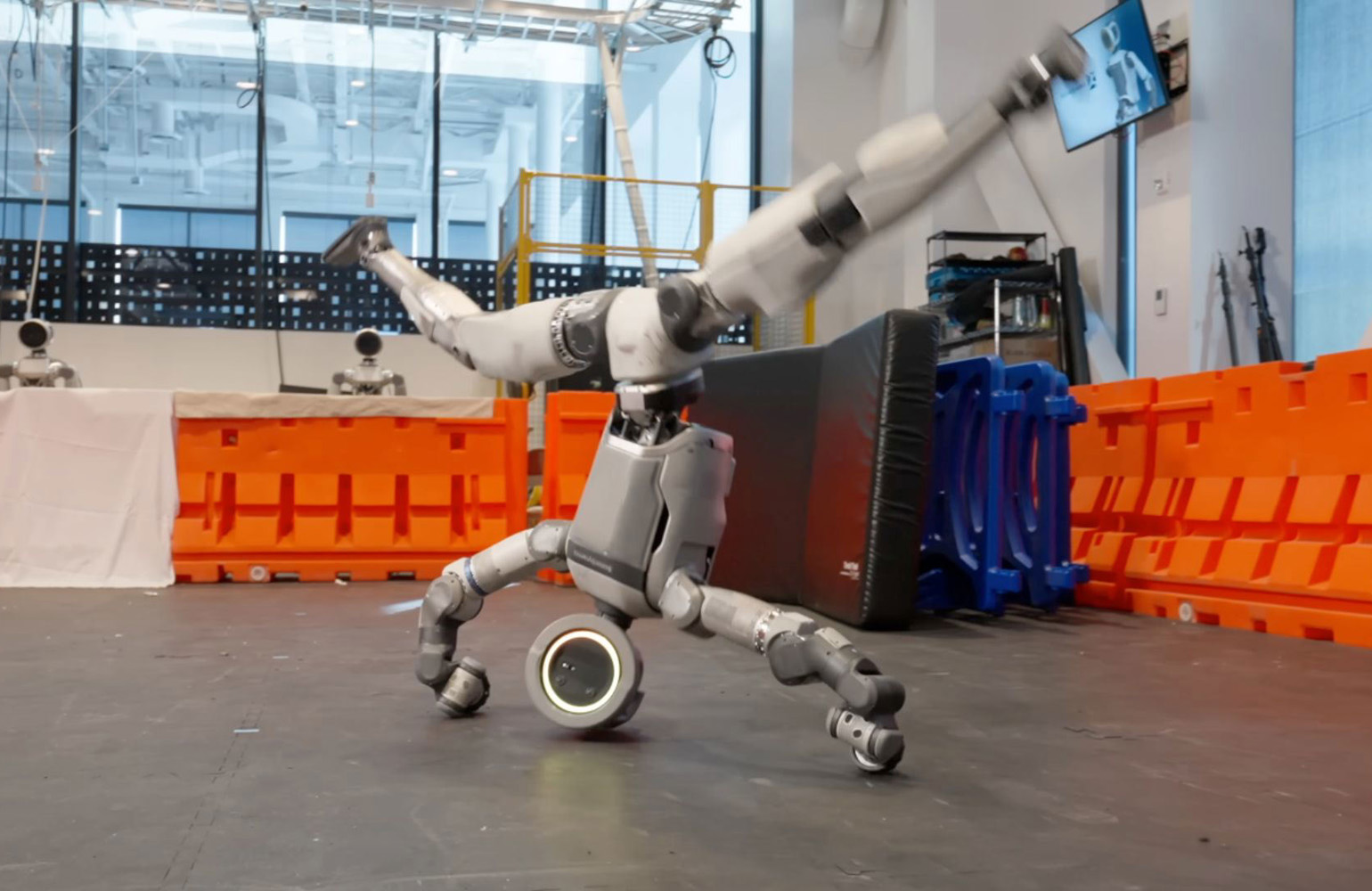
The Atlas humanoid robot doing a cartwheel. | Source: Boston Dynamics Robots have captured our imagination. We have seen humanoids balancing on one leg, doing backflips, folding laundry, and moving smoothly over difficult terrain. This is all behavior that only a few years ago seemed like something out of science fiction. These viral examples matter because they show that embodied AI has reached a new technical stage. At the same time, the window on what qualifies as a “humanoid robot” see

Why humanoid robot demos still fail the generalization test
The Robot Report Podcast · Why humanoid robot demos still fail the generalization test Jeanine Sinanan-Singh, director of GenAI research at Appen. In Episode 265 of The Robot Report Podcast, our guest is Jeanine Sinanan-Singh, director of generative AI Research at Appen. She discusses the continuing importance of humans in the loop for training robots. Sinanan-Singh works on agentic evals, RL environments, and dataset design for post-training frontier AI models. She also explains why impressive