Boston Dynamics gives more insight into its redesigned humanoid hand
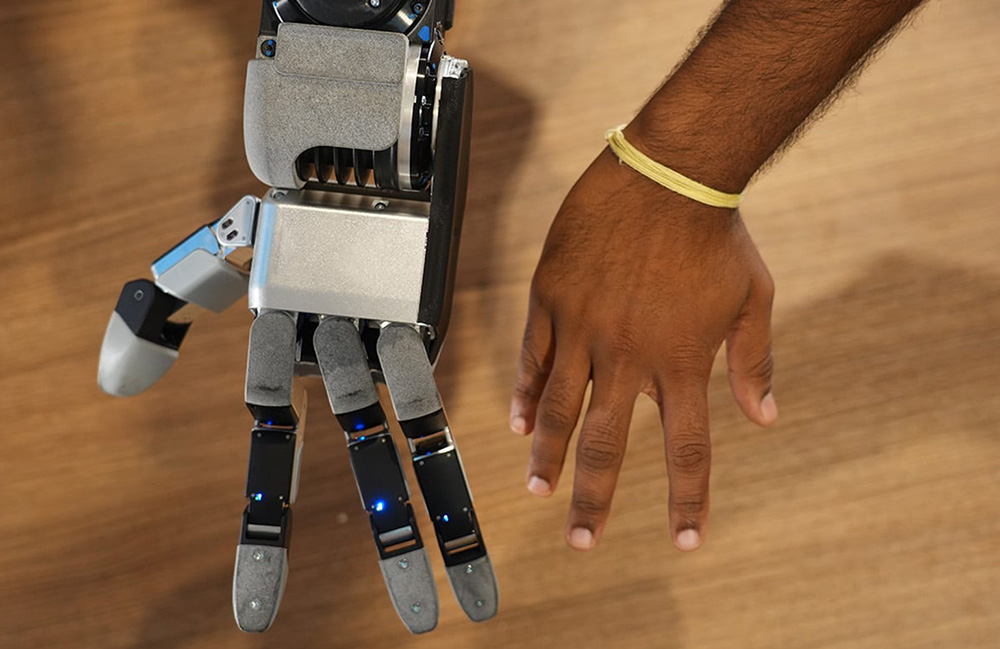
Boston Dynamics said its new hand is still capable of handling over 100 lb. | Source: Boston Dynamics Last week, Boston Dynamics Inc. gave a look at its new humanoid robot hand. The four-fingered hand has 13 degrees of freedom, or DoF, and is directly actuated. The company said it designed it for mass manufacturing. Lots of things immediately stand out about the hand. Notably, Boston Dynamics has dropped the pinky finger and reduced the size of the gripper. Less obviously, the company said it bu
Get smart on it
A robotics company has redesigned the hand for its humanoid robot, reducing it to four fingers with 13 degrees of freedom and building it entirely from identical actuators designed for mass manufacturing. The new hand was engineered based on lessons learned from earlier versions, prioritizing reliability, modularity, and durability over increased complexity, while remaining capable of handling objects weighing over 100 pounds. The design process involved defining requirements through representative industrial tasks like tool use and cable handling, as well as more exploratory challenges to understand the hand's capabilities. This approach reflects a philosophy that simpler, more modular designs enable faster iteration and deployment compared to more complex alternatives.
Related news
Will ‘boring’ robots win in the real world? Why robotic form should follow workflow
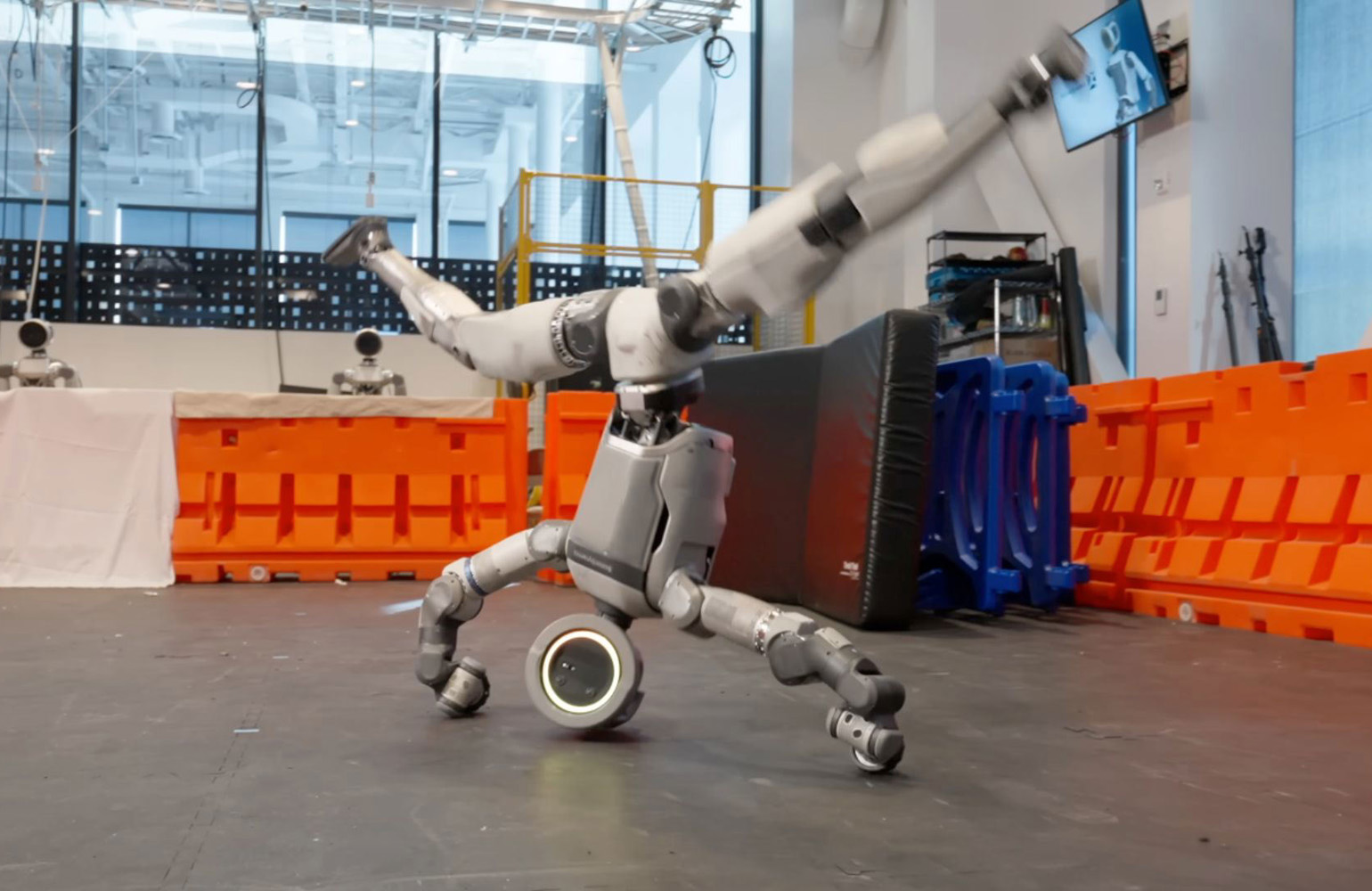
The Atlas humanoid robot doing a cartwheel. | Source: Boston Dynamics Robots have captured our imagination. We have seen humanoids balancing on one leg, doing backflips, folding laundry, and moving smoothly over difficult terrain. This is all behavior that only a few years ago seemed like something out of science fiction. These viral examples matter because they show that embodied AI has reached a new technical stage. At the same time, the window on what qualifies as a “humanoid robot” see
Why dexterity is physical AI’s real bottleneck
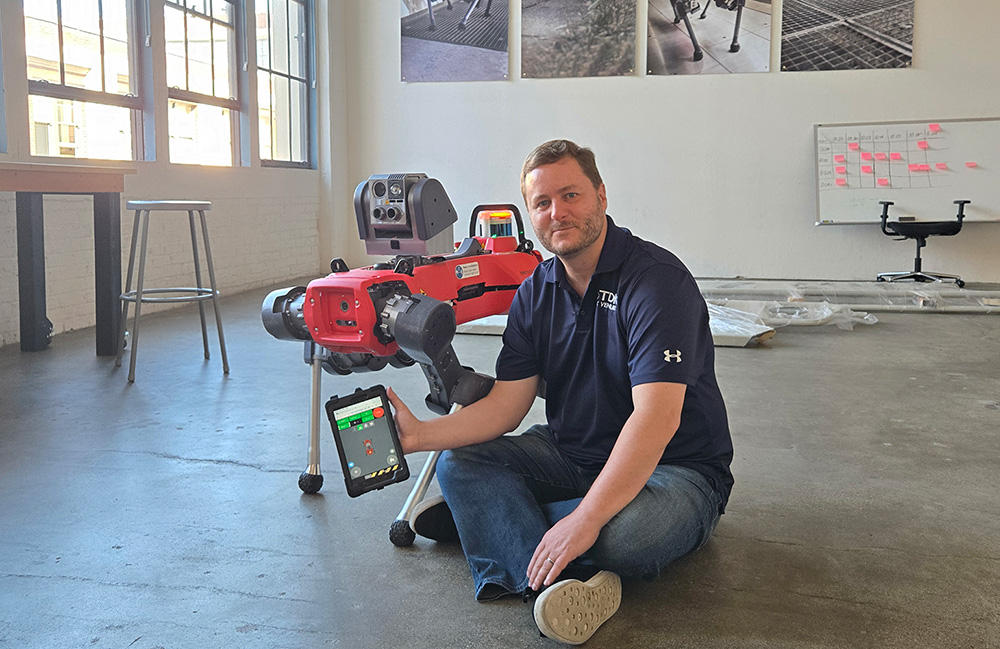
Nicolas Sauvage, founder and president of TDK Ventures, with ANYbotics’ quadruped robot. | Source: TDK Ventures A robot picks up an object, moves it, and puts it down successfully. Is it dexterous? Perhaps. But now ask it to do that successfully hundreds of times, while objects move slightly, its grip changes, components wear, and unexpected failures occur. That is a much harder test of dexterity, and a much better measure of whether a robot is dexterous enough for the real world. We are m