
AI model providers face rising costs at scale
SiliconANGLE: The hidden threat in Anthropic’s prospectus: diseconomies of scale
As potentially the largest IPO in history, Anthropic PBC is breaking new ground. Its prospectus lists 88 risk factors covering 93 pages alone. From artificial intelligence posing an existential threat to humanity to the possibility AI will blackmail people, the company lists a litany of risks that should make any potential Anthropic investor wary. One […] The post The hidden threat in Anthropic’s prospectus: diseconomies of scale appeared first on SiliconANGLE.
Get smart on it
Frontier large language model vendors face a unique economic problem called diseconomies of scale, where costs per unit increase as the company grows. Unlike software companies with negligible production costs or cloud providers using commodity hardware, AI model providers must continuously invest in expensive, specialized processors that become costlier as software innovation accelerates, while also expanding their workforce of expert humans who cannot be leveraged as efficiently as cloud infrastructure staff. This means that as these companies grow and their models become more powerful, the hardware requirements and expertise demands increase at a pace that outstrips their ability to achieve the cost advantages that have driven profitability in previous technology industries. The result is rising token costs for AI consumers, raising questions about whether current market leaders can continue innovating without pricing their offerings beyond what customers will pay.
Relevant courses
Want to go deeper than the news? Explore live, cohort-based AI courses taught by practitioners.
Browse AI courses on MavenRelated news

As Anthropic finally files for IPO, rising risks aren’t slowing the AI buildout, yet
The other artificial intelligence shoe dropped this week, as Anthropic filed for what surely will be the second blockbuster AI initial public offering of stock this year. Nearly 70,000 words in the filing list a ton of risks, but in short, it’s making unimaginably huge bets on buying computing power, it’s uncertain on how long […] The post As Anthropic finally files for IPO, rising risks aren’t slowing the AI buildout – yet appeared first on SiliconANGLE.

AI can turn security fixes into working exploits before users receive an update
GLM 5.3 turned published-but-unshipped Firefox security fixes into working one-click exploits for six releases, at roughly $1,000 each.
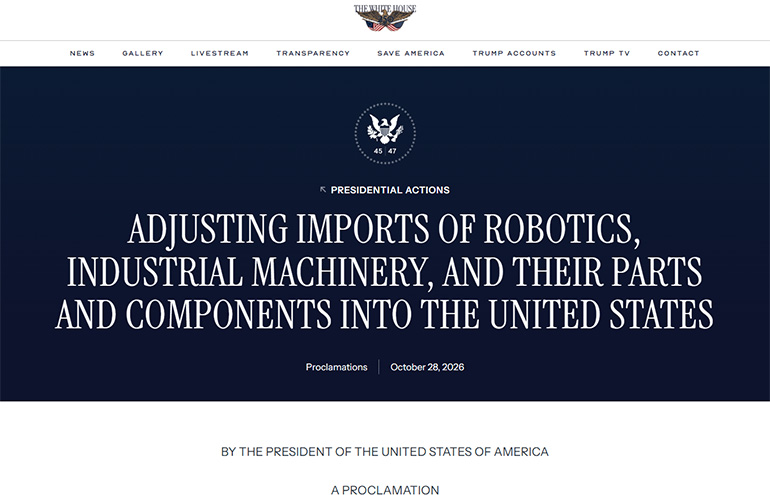
White House makes Section 232 determination regarding foreign-made robots
A Section 232 investigation by the secretary of commerce found that robotics imports pose a threat to U.S. national security and economic competitiveness. Source: Office of the White House Yesterday, U.S. President Donald J. Trump issued a proclamation stating that the secretary of commerce had submitted a Section 232 report about the national security effects of imports of robotics and industrial machinery, as well as related parts and components. “Based on the facts considered in that in
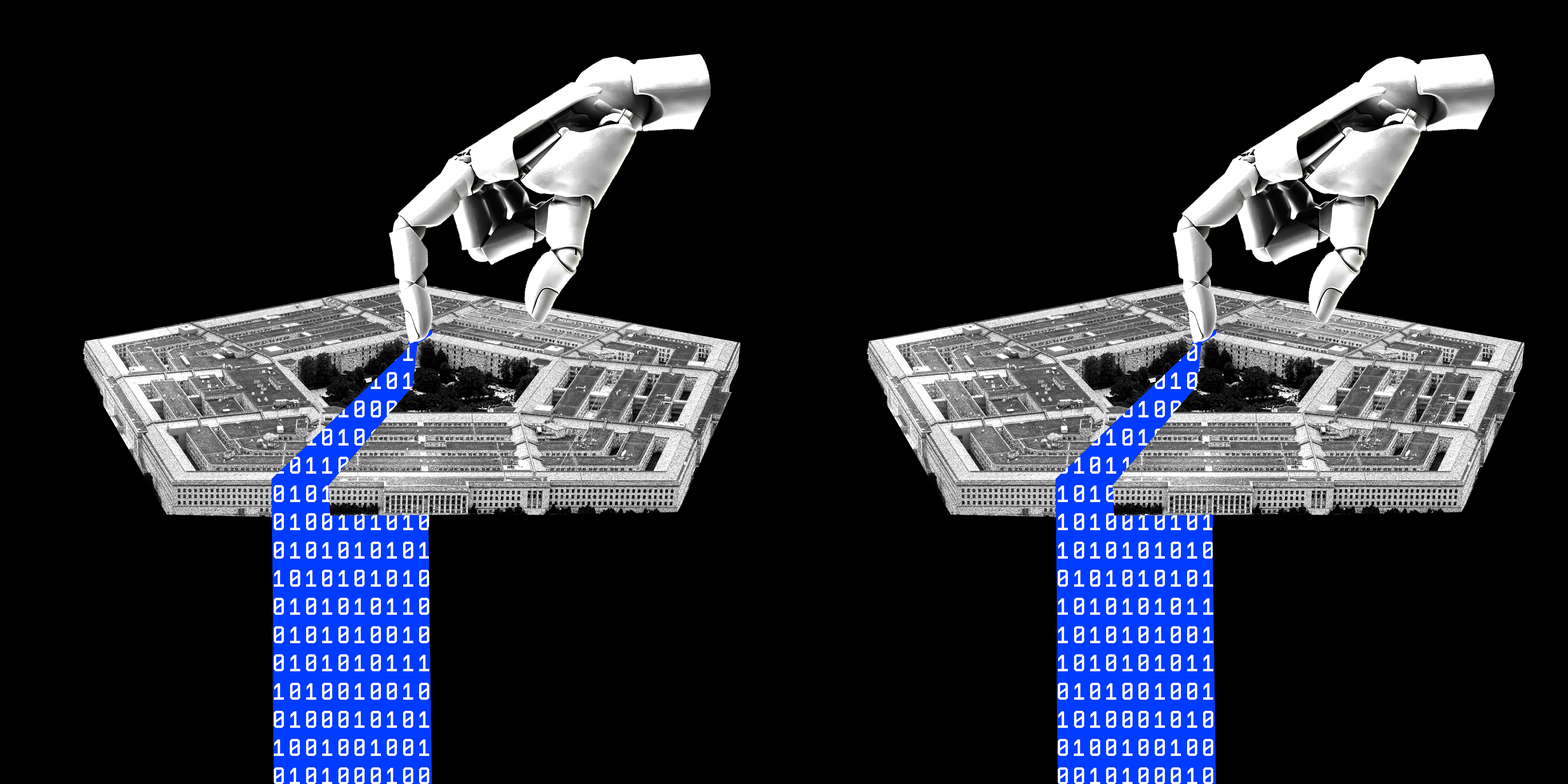
A Defense Contractor Gave Their Personal AI Agent Access to a Secure Pentagon System
Sources tell WIRED that an Accenture employee’s personal Claude agent ran on a DOD network for two months before it was identified and the vulnerability could be patched.

Anthropic is asking Wall Street to believe in AGI
Today on Decoder, I’m joined by Joey Brookhart, an analyst at the chip and AI research firm SemiAnalysis, to help me dig into the story inside the numbers of the Anthropic IPO filing — a document known as an S-1. Anthropic just filed its S-1 to go public on the Nasdaq, and it could start trading as soon as next month at a valuation of anywhere between $1.5 trillion and $2 trillion. That would immediately make it one of the most valuable companies on the planet. But the price

Wikipedia’s operator says a bad AI copyright ruling could threaten the open web
The Wikimedia Foundation is staking out a middle ground in a group of landmark AI copyright cases, pushing courts to legally protect large language models (LLMs) training on copyrighted work - but not chatbots regurgitating that work to users. An overly black-and-white ruling, it says, could either deprive Wikipedians of useful AI-based tools or endanger the open web. In an amicus brief filed Friday, the nonprofit behind Wikipedia weighed in on a set of lawsuits pitting publish