
GLM 5.3 turns Firefox security fixes into exploits
Epoch AI: AI can turn security fixes into working exploits before users receive an update
GLM 5.3 turned published-but-unshipped Firefox security fixes into working one-click exploits for six releases, at roughly $1,000 each.
Get smart on it
Researchers demonstrated that a widely available open-weight AI model can automatically identify and exploit security vulnerabilities in software during the "patch gap," the window between when a fix is published and when it reaches users. The model successfully created working exploits for multiple recent browser releases by analyzing published security fixes, each attack costing only about $1,000 to execute. This capability matters because exploiting the patch gap previously required significant expertise and resources, limiting who could perform such attacks, but now accessible AI models can do much of this work independently. The research suggests this threat will worsen as open-weight AI capabilities improve, particularly for open-source software where code is publicly visible.
Explainer: GLM 5.2: How a 744B Open Model Is Closing the Gap With Claude Opus on Code
Relevant courses
Want to go deeper than the news? Explore live, cohort-based AI courses taught by practitioners.
Browse AI courses on MavenRelated news
White House makes Section 232 determination regarding foreign-made robots
A Section 232 investigation by the secretary of commerce found that robotics imports pose a threat to U.S. national security and economic competitiveness. Source: Office of the White House Yesterday, U.S. President Donald J. Trump issued a proclamation stating that the secretary of commerce had submitted a Section 232 report about the national security effects of imports of robotics and industrial machinery, as well as related parts and components. “Based on the facts considered in that in
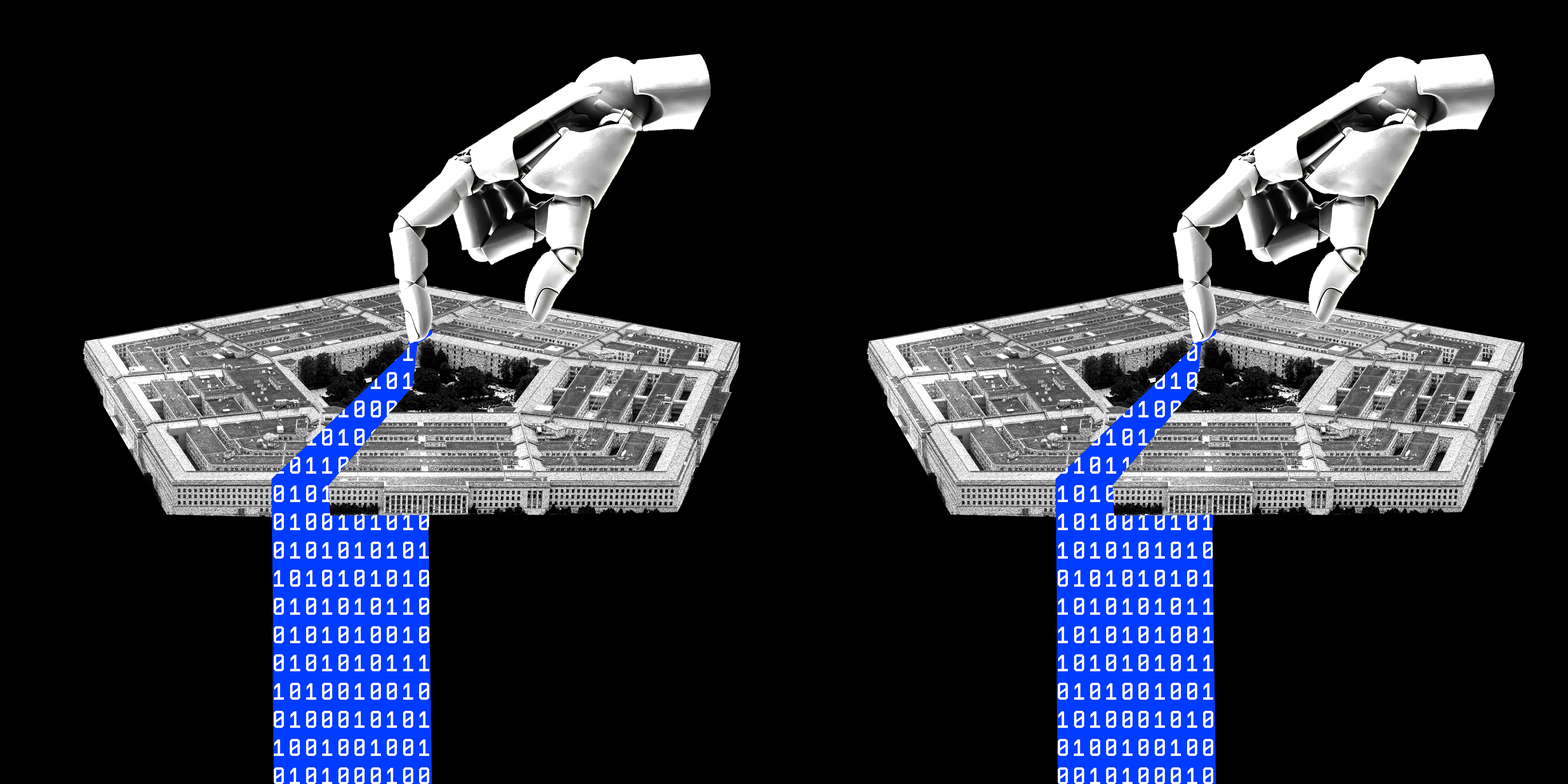
A Defense Contractor Gave Their Personal AI Agent Access to a Secure Pentagon System
Sources tell WIRED that an Accenture employee’s personal Claude agent ran on a DOD network for two months before it was identified and the vulnerability could be patched.

Anthropic is asking Wall Street to believe in AGI
Today on Decoder, I’m joined by Joey Brookhart, an analyst at the chip and AI research firm SemiAnalysis, to help me dig into the story inside the numbers of the Anthropic IPO filing — a document known as an S-1. Anthropic just filed its S-1 to go public on the Nasdaq, and it could start trading as soon as next month at a valuation of anywhere between $1.5 trillion and $2 trillion. That would immediately make it one of the most valuable companies on the planet. But the price
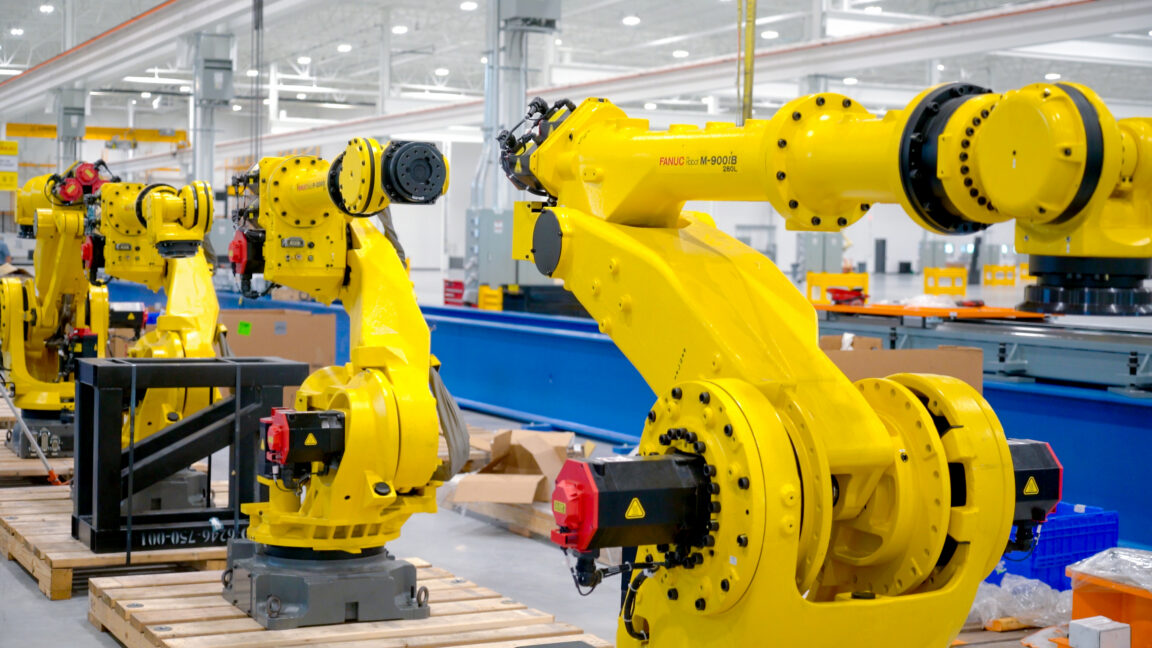
Trump declares robot imports a national security threat
President Donald Trump has declared the imports of foreign-made factory robots to be a national security threat—ordering new US negotiations with trading partners while holding out the possibility of imposing new tariffs on such robot imports in the future. Issued on October 28, Trump’s presidential proclamation represents heightened government scrutiny of foreign-made industrial robots that could complicate the manufacturing operations of major US corporations that rely on such robots. Those co

Parents sue OpenAI, alleging GPT-4o coached their daughter off seizure medication
A family is suing OpenAI, saying ChatGPT coached their daughter to quietly taper off her seizure medication and keep it from her doctors before she died in February.

How we detect frontier model misalignment
OpenAI uses layered monitoring to detect frontier model misalignment and unauthorized agent behavior so responders can intervene before incidents escalate.