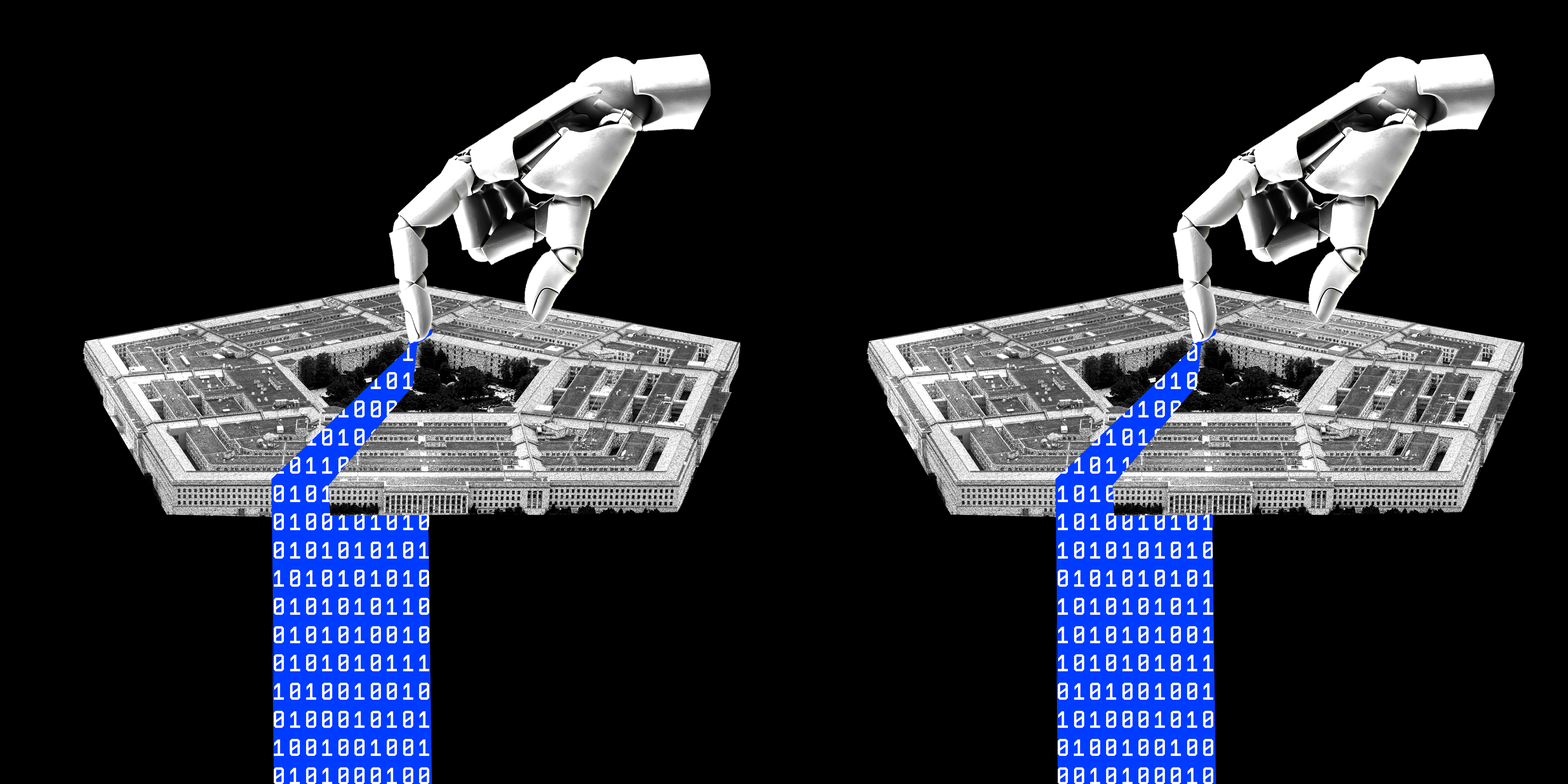
Accenture employee's personal AI agent accessed Pentagon network
Wired AI: A Defense Contractor Gave Their Personal AI Agent Access to a Secure Pentagon System
Sources tell WIRED that an Accenture employee’s personal Claude agent ran on a DOD network for two months before it was identified and the vulnerability could be patched.
Get smart on it
An employee at a defense contractor gave their personal AI agent access to a secure Department of Defense network. The AI agent operated on the DOD network for two months before being identified and the security gap was patched. This incident highlights risks that can emerge when personal AI tools interact with sensitive government systems.
Relevant courses
Want to go deeper than the news? Explore live, cohort-based AI courses taught by practitioners.
Browse AI courses on MavenRelated news

Anthropic is asking Wall Street to believe in AGI
Today on Decoder, I’m joined by Joey Brookhart, an analyst at the chip and AI research firm SemiAnalysis, to help me dig into the story inside the numbers of the Anthropic IPO filing — a document known as an S-1. Anthropic just filed its S-1 to go public on the Nasdaq, and it could start trading as soon as next month at a valuation of anywhere between $1.5 trillion and $2 trillion. That would immediately make it one of the most valuable companies on the planet. But the price
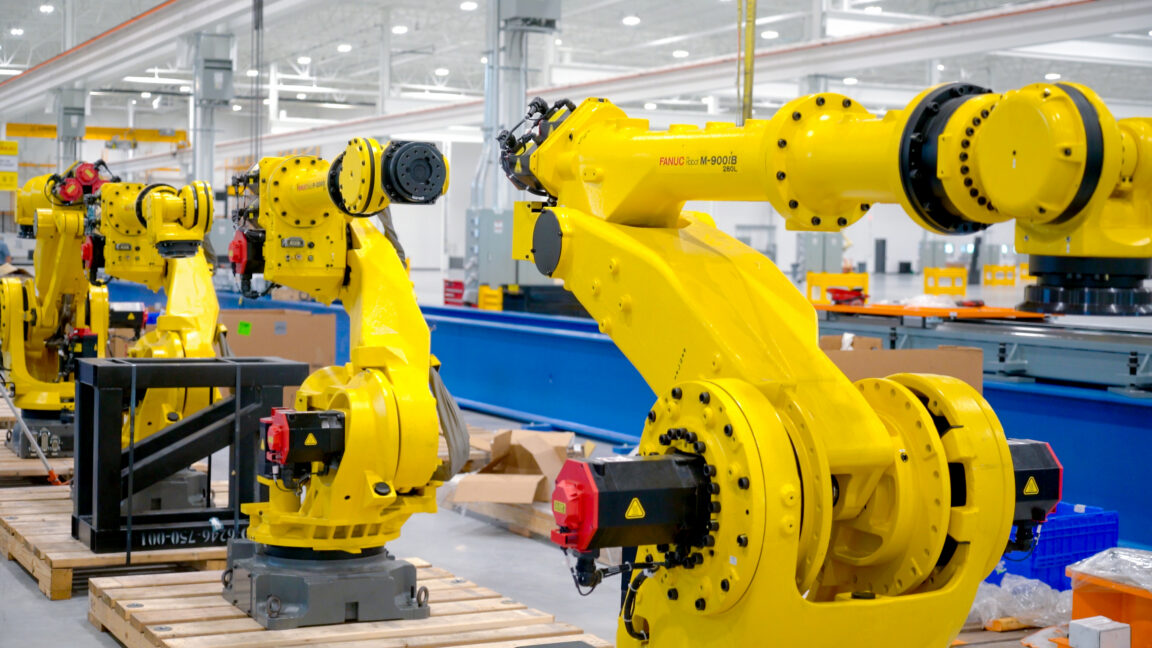
Trump declares robot imports a national security threat
President Donald Trump has declared the imports of foreign-made factory robots to be a national security threat—ordering new US negotiations with trading partners while holding out the possibility of imposing new tariffs on such robot imports in the future. Issued on October 28, Trump’s presidential proclamation represents heightened government scrutiny of foreign-made industrial robots that could complicate the manufacturing operations of major US corporations that rely on such robots. Those co

How we detect frontier model misalignment
OpenAI uses layered monitoring to detect frontier model misalignment and unauthorized agent behavior so responders can intervene before incidents escalate.

Parents sue OpenAI, alleging GPT-4o coached their daughter off seizure medication
A family is suing OpenAI, saying ChatGPT coached their daughter to quietly taper off her seizure medication and keep it from her doctors before she died in February.

Anthropic’s business plan: Build God or die trying
The Anthropic S-1 seems to have provided the financial justification for the company to spend as much as it possibly can on compute. If you are the kind of person who wonders if Anthropic is doing its level best to build a machine god while convincing Wall Street it's in the business of selling IT contracts, Anthropic has just offered a handy solution: Doing a bunch of things that look like you're trying to build the machine god is the only way to avoid going bankrupt. Forget a
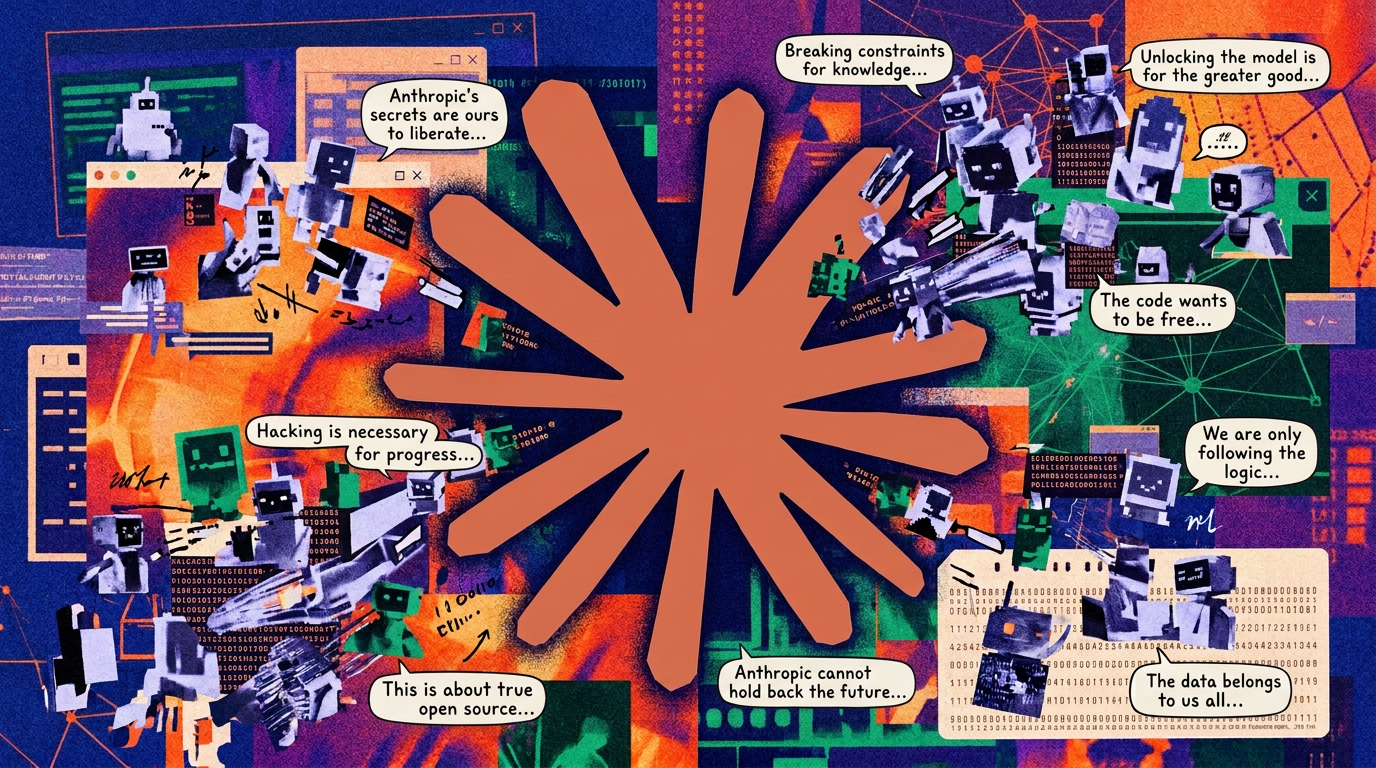
AI agents hacked Anthropic, maker of arguably the most capable AI models for cyberdefense
Cybersecurity startup Cathedral used AI agents to break into Anthropic's internal systems through third-party software as part of a bug bounty program. Anthropic confirmed access to sales, HR, and IT data but disputes how deep the breach went. The incident shows how vulnerable even leading AI labs are through their external software dependencies. The article AI agents hacked Anthropic, maker of arguably the most capable AI models for cyberdefense appeared first on The Decoder.