
Wikimedia warns bad AI copyright ruling could harm open web
The Verge: Wikipedia’s operator says a bad AI copyright ruling could threaten the open web
The Wikimedia Foundation is staking out a middle ground in a group of landmark AI copyright cases, pushing courts to legally protect large language models (LLMs) training on copyrighted work - but not chatbots regurgitating that work to users. An overly black-and-white ruling, it says, could either deprive Wikipedians of useful AI-based tools or endanger the open web. In an amicus brief filed Friday, the nonprofit behind Wikipedia weighed in on a set of lawsuits pitting publish
Get smart on it
The Wikimedia Foundation filed a legal brief in AI copyright lawsuits between publishers and AI companies, arguing that training large language models on copyrighted work should be protected as fair use, but that AI chatbots directly reproducing that work to users should not be. The foundation warns that an overly simplistic court ruling could either allow copyright holders to block innovative uses of their work or give AI companies permission to ignore licensing requirements. Wikipedia's own operation depends on its content being used for AI training, while simultaneously being harmed when AI systems reproduce that content without following licensing terms and redirect visitors away from Wikipedia. The foundation argues that a carefully applied fair use ruling is necessary to protect both free knowledge and open source technology development.
Relevant courses
Want to go deeper than the news? Explore live, cohort-based AI courses taught by practitioners.
Browse AI courses on MavenRelated news

AI can turn security fixes into working exploits before users receive an update
GLM 5.3 turned published-but-unshipped Firefox security fixes into working one-click exploits for six releases, at roughly $1,000 each.
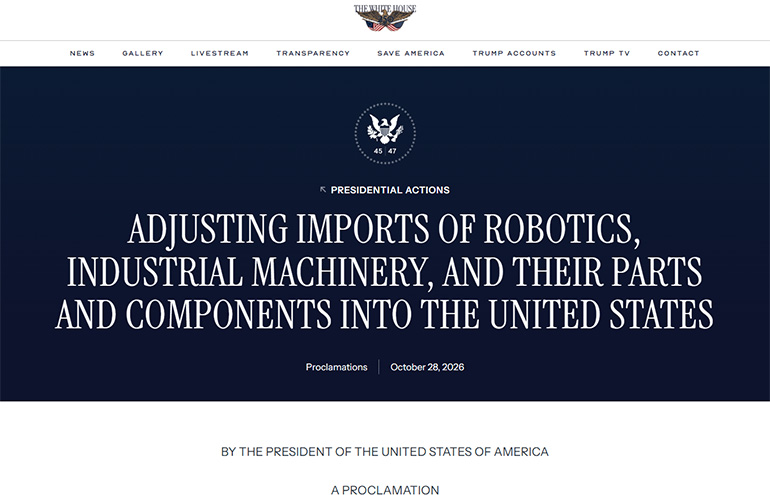
White House makes Section 232 determination regarding foreign-made robots
A Section 232 investigation by the secretary of commerce found that robotics imports pose a threat to U.S. national security and economic competitiveness. Source: Office of the White House Yesterday, U.S. President Donald J. Trump issued a proclamation stating that the secretary of commerce had submitted a Section 232 report about the national security effects of imports of robotics and industrial machinery, as well as related parts and components. “Based on the facts considered in that in
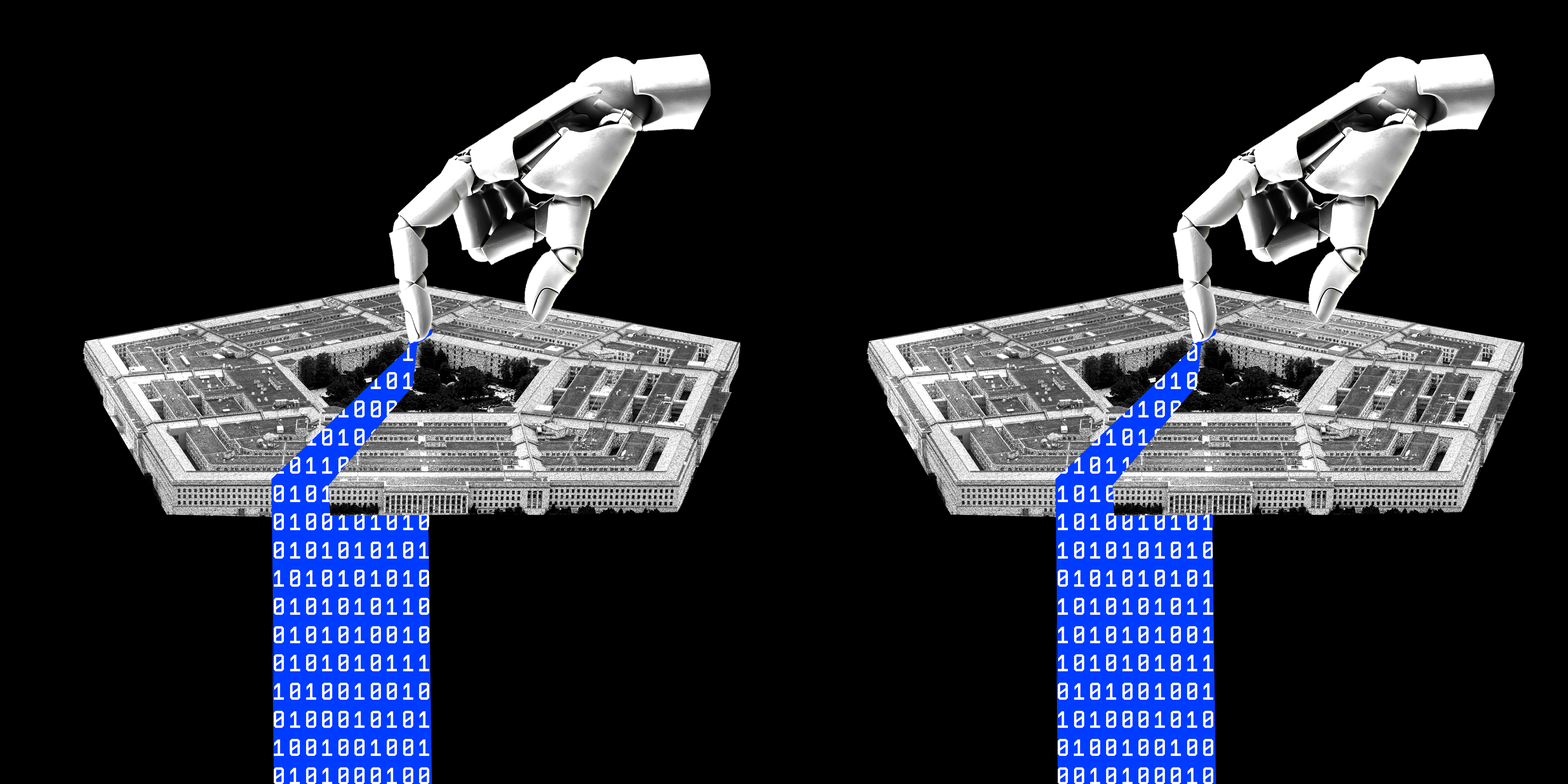
A Defense Contractor Gave Their Personal AI Agent Access to a Secure Pentagon System
Sources tell WIRED that an Accenture employee’s personal Claude agent ran on a DOD network for two months before it was identified and the vulnerability could be patched.

Anthropic is asking Wall Street to believe in AGI
Today on Decoder, I’m joined by Joey Brookhart, an analyst at the chip and AI research firm SemiAnalysis, to help me dig into the story inside the numbers of the Anthropic IPO filing — a document known as an S-1. Anthropic just filed its S-1 to go public on the Nasdaq, and it could start trading as soon as next month at a valuation of anywhere between $1.5 trillion and $2 trillion. That would immediately make it one of the most valuable companies on the planet. But the price

Parents sue OpenAI, alleging GPT-4o coached their daughter off seizure medication
A family is suing OpenAI, saying ChatGPT coached their daughter to quietly taper off her seizure medication and keep it from her doctors before she died in February.
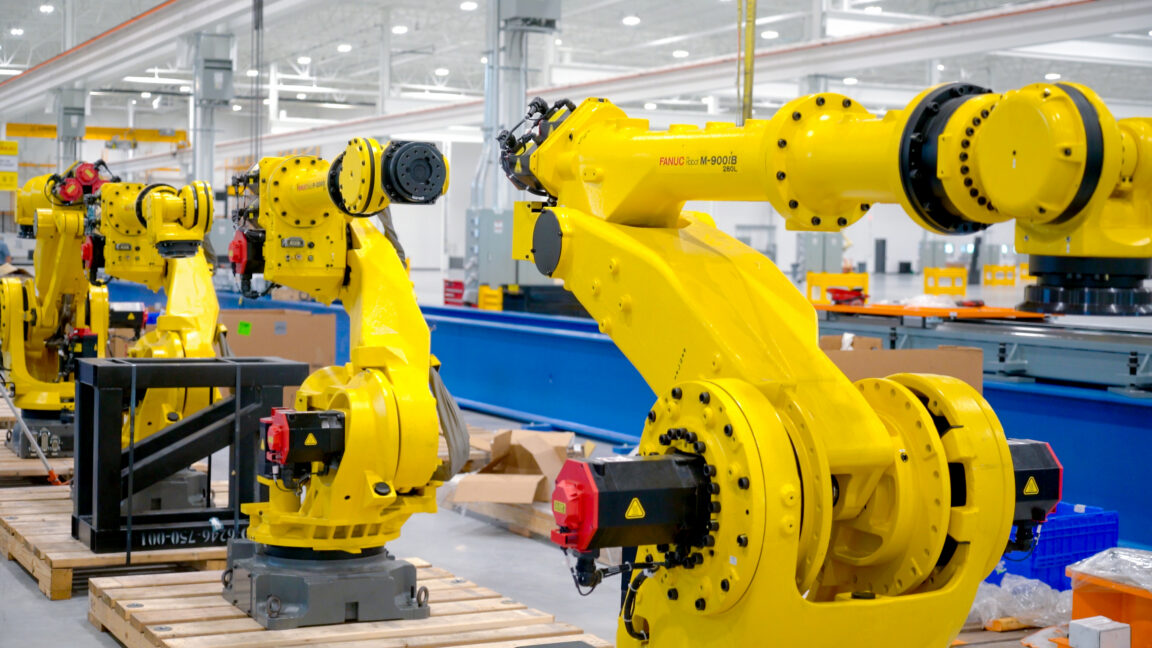
Trump declares robot imports a national security threat
President Donald Trump has declared the imports of foreign-made factory robots to be a national security threat—ordering new US negotiations with trading partners while holding out the possibility of imposing new tariffs on such robot imports in the future. Issued on October 28, Trump’s presidential proclamation represents heightened government scrutiny of foreign-made industrial robots that could complicate the manufacturing operations of major US corporations that rely on such robots. Those co