
DOJ charges five in first ghost student loan fraud crackdown
Ars Technica: DOJ exposes “ghost students” using AI to complete courses, steal student loans
The US has charged five individuals as part of the first broad federal crackdown on “ghost students”—fraudsters who steal the identities of hundreds of Americans to pose as fake college students and steal student loans. In a press release Thursday, the Department of Justice said it had uncovered a large-scale scheme relying partly on AI. The DOJ seized more than $750,000 in cryptocurrency from “a network associated with Kenyan nationals" after data analysis helped flag likely fraudsters. Assista
Get smart on it
The US Department of Justice has charged five individuals in the first major federal crackdown on "ghost students," a fraud scheme in which bad actors steal Americans' identities to create fake college accounts and fraudulently obtain student loans. The fraudsters use AI to complete coursework and simulate class attendance, while money from the loans is redirected to accounts they control, potentially affecting over 830,000 accounts and resulting in losses close to $130 million. Victims, often high school graduates whose personal information was purchased on the dark market, discover the fraud years later when they are pursued for loan repayment, damaging their credit in the process. Law enforcement officials stated they detected suspicious patterns through data analysis and have sent dozens of referrals to FBI field offices across the country to continue investigating the scheme.
Relevant courses
Want to go deeper than the news? Explore live, cohort-based AI courses taught by practitioners.
Browse AI courses on MavenRelated news

As Anthropic finally files for IPO, rising risks aren’t slowing the AI buildout, yet
The other artificial intelligence shoe dropped this week, as Anthropic filed for what surely will be the second blockbuster AI initial public offering of stock this year. Nearly 70,000 words in the filing list a ton of risks, but in short, it’s making unimaginably huge bets on buying computing power, it’s uncertain on how long […] The post As Anthropic finally files for IPO, rising risks aren’t slowing the AI buildout – yet appeared first on SiliconANGLE.

AI can turn security fixes into working exploits before users receive an update
GLM 5.3 turned published-but-unshipped Firefox security fixes into working one-click exploits for six releases, at roughly $1,000 each.
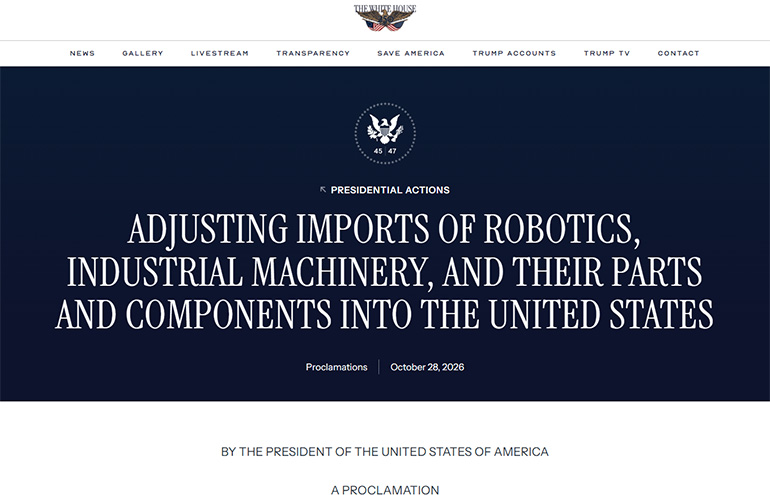
White House makes Section 232 determination regarding foreign-made robots
A Section 232 investigation by the secretary of commerce found that robotics imports pose a threat to U.S. national security and economic competitiveness. Source: Office of the White House Yesterday, U.S. President Donald J. Trump issued a proclamation stating that the secretary of commerce had submitted a Section 232 report about the national security effects of imports of robotics and industrial machinery, as well as related parts and components. “Based on the facts considered in that in
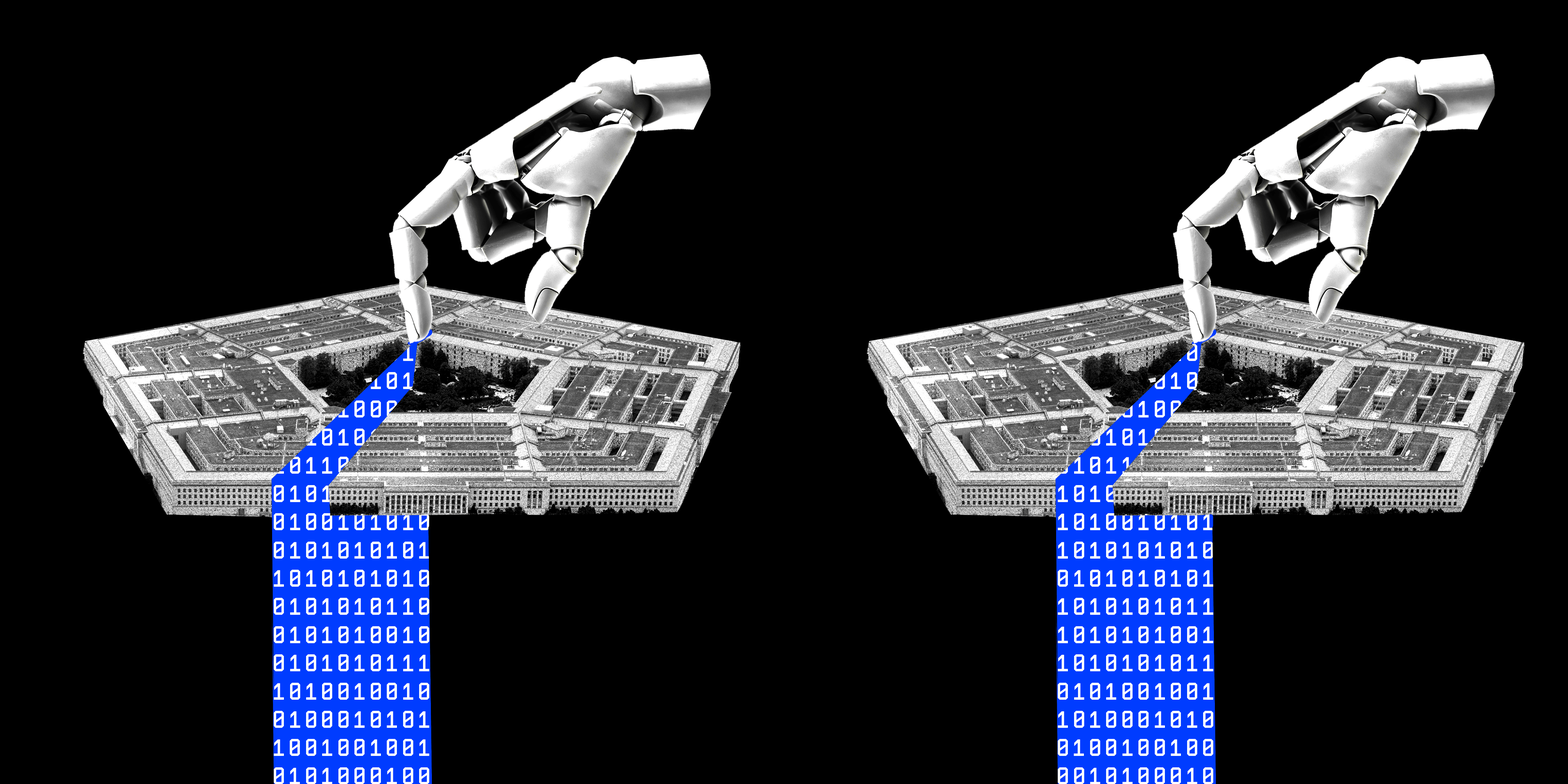
A Defense Contractor Gave Their Personal AI Agent Access to a Secure Pentagon System
Sources tell WIRED that an Accenture employee’s personal Claude agent ran on a DOD network for two months before it was identified and the vulnerability could be patched.

Anthropic is asking Wall Street to believe in AGI
Today on Decoder, I’m joined by Joey Brookhart, an analyst at the chip and AI research firm SemiAnalysis, to help me dig into the story inside the numbers of the Anthropic IPO filing — a document known as an S-1. Anthropic just filed its S-1 to go public on the Nasdaq, and it could start trading as soon as next month at a valuation of anywhere between $1.5 trillion and $2 trillion. That would immediately make it one of the most valuable companies on the planet. But the price

Community safety report and new protections for teens
OpenAI is strengthening violence prevention in ChatGPT with expanded safeguards, earlier interventions, and a new commitment to public safety reporting.