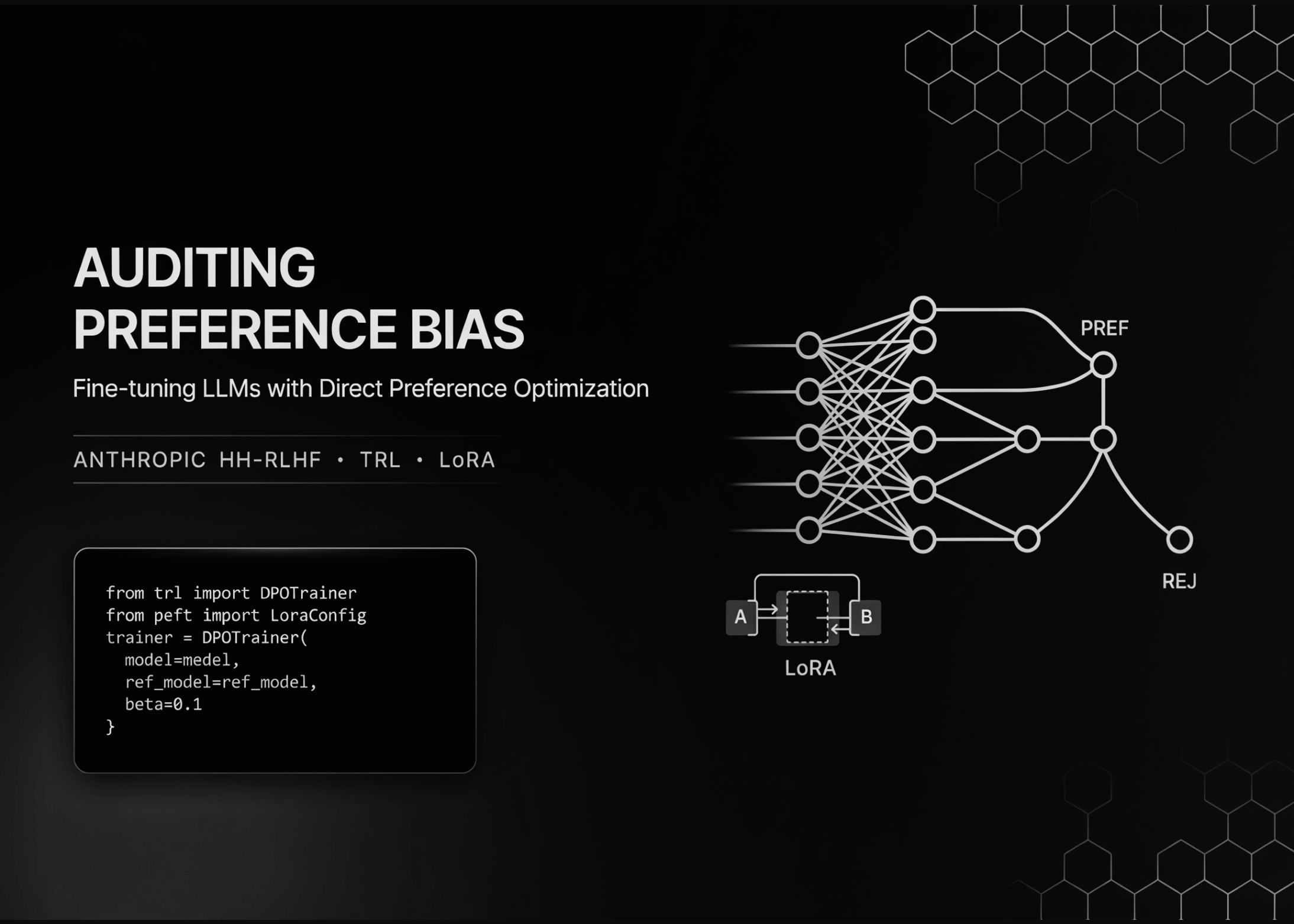
Auditing Preference Biases and Fine-Tuning Language Models with Direct Preference Optimization on Anthropic HH-RLHF Using TRL and LoRA
In this tutorial, we design an end-to-end preference-learning workflow using the Anthropic HH-RLHF dataset and Direct Preference Optimization (DPO). We begin by preparing a robust Colab environment, loading and parsing chosen–rejected response pairs, and auditing the dataset for structural and length-based preference biases. We then run lexical shortcut diagnostics to determine whether surface-level linguistic patterns can separate preferred from rejected responses, prepare conversational data
Get smart on it
This tutorial describes how to fine-tune language models using Direct Preference Optimization on a dataset of human feedback, specifically examining and correcting for biases in what responses are labeled as preferred versus rejected. The process involves loading conversation data, analyzing it for structural patterns that might unfairly favor certain responses, and then training a smaller language model while optionally using parameter-efficient adaptation techniques. The workflow includes evaluating how well the trained model learns to distinguish preferred responses and testing its performance across different data subsets to identify potential issues like length bias.
Related news
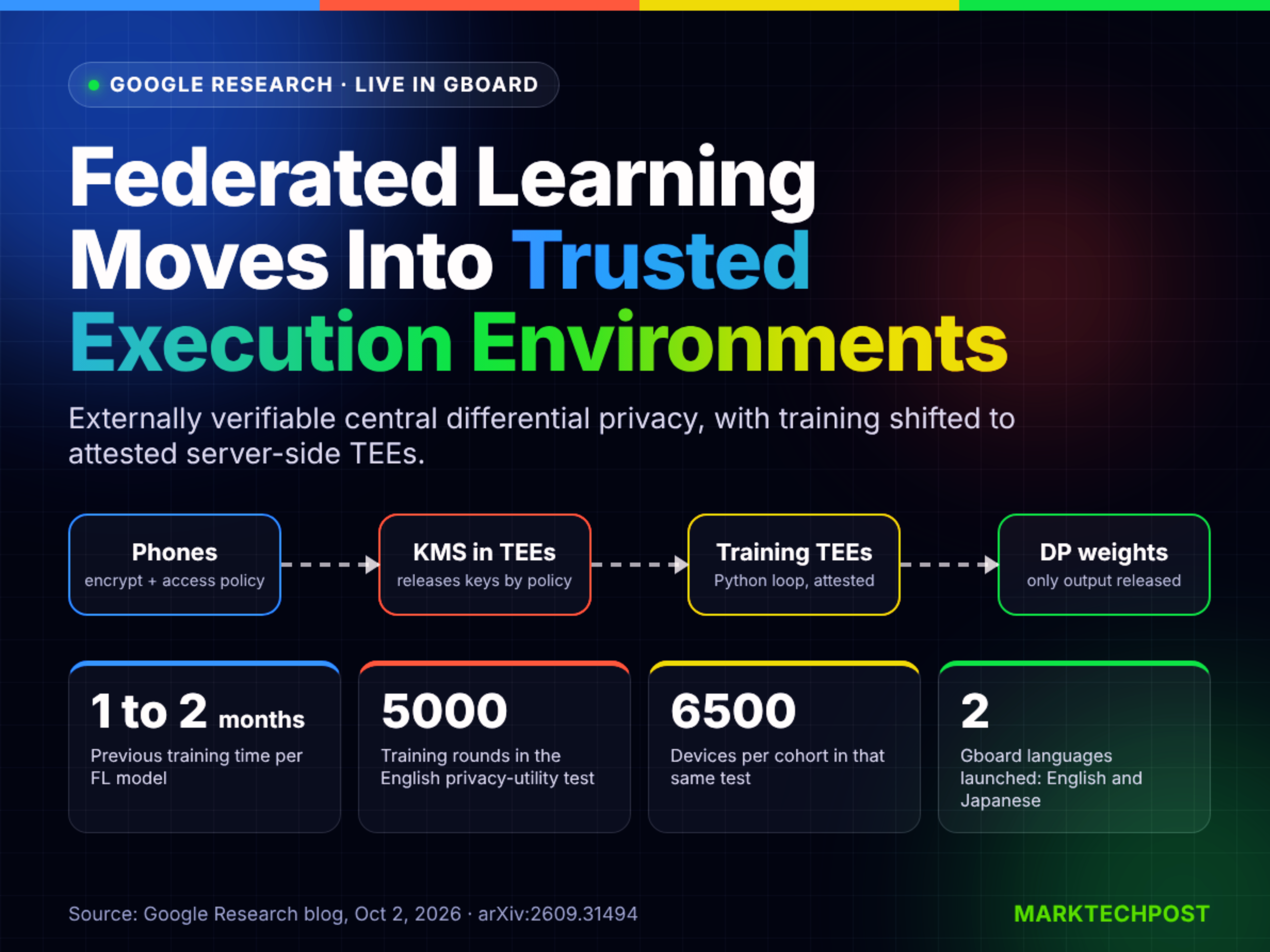
Google Research Moves Federated Learning Into TEEs: Gboard Now Trains With Externally Verifiable Differential Privacy
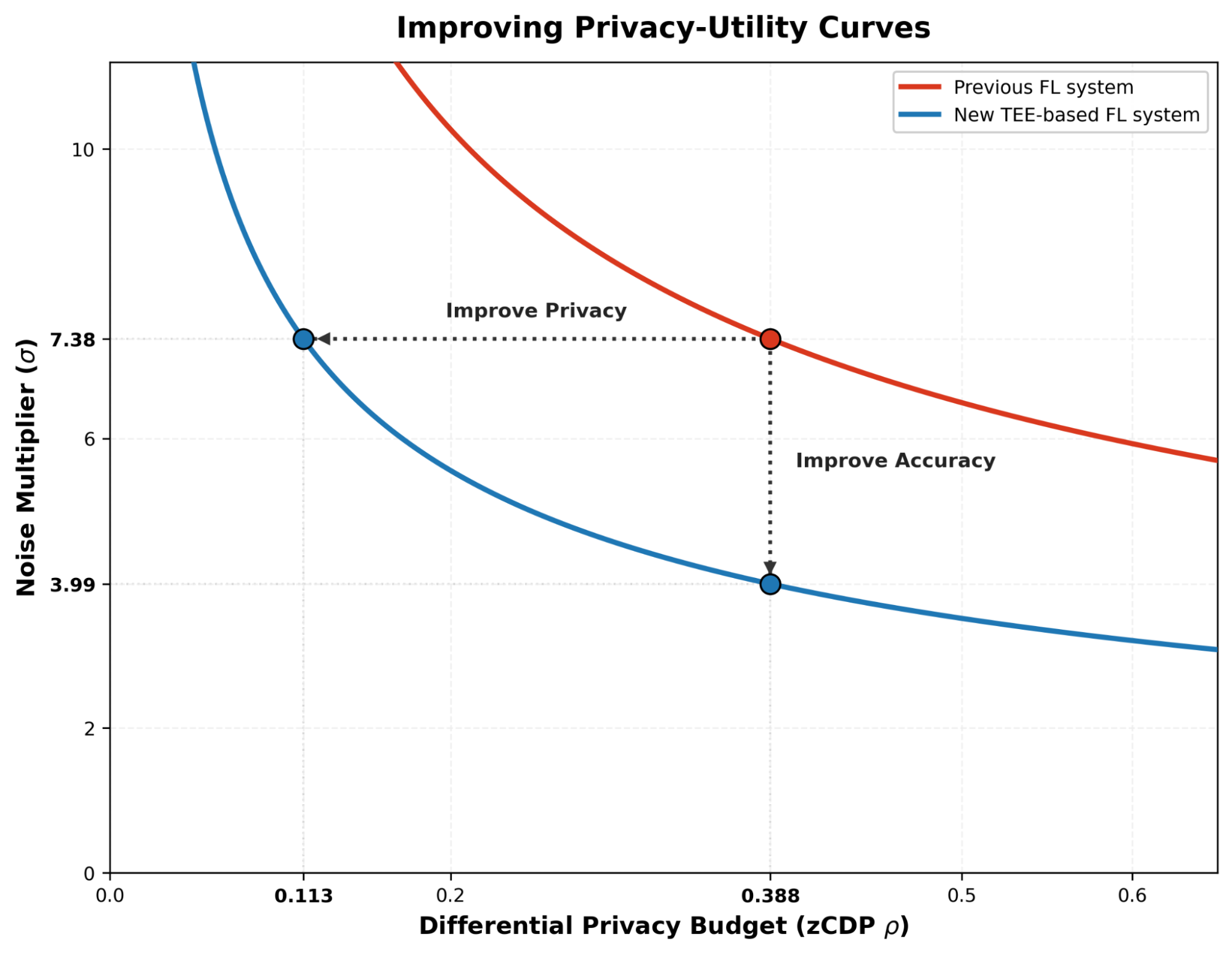
Google Research has announced a next-generation Federated Learning (FL) system built on Trusted Execution Environments (TEEs). The research team claims externally verifiable central differential privacy (DP) guarantees for FL for the first time. What Problem Does TEE-Based Federated Learning Solve? Google introduced Federated Learning FL in 2017. It powers next-word prediction and Smart Compose on Gboard, reply suggestions in Google Messages, and Smart Text Selection in Android. Earli
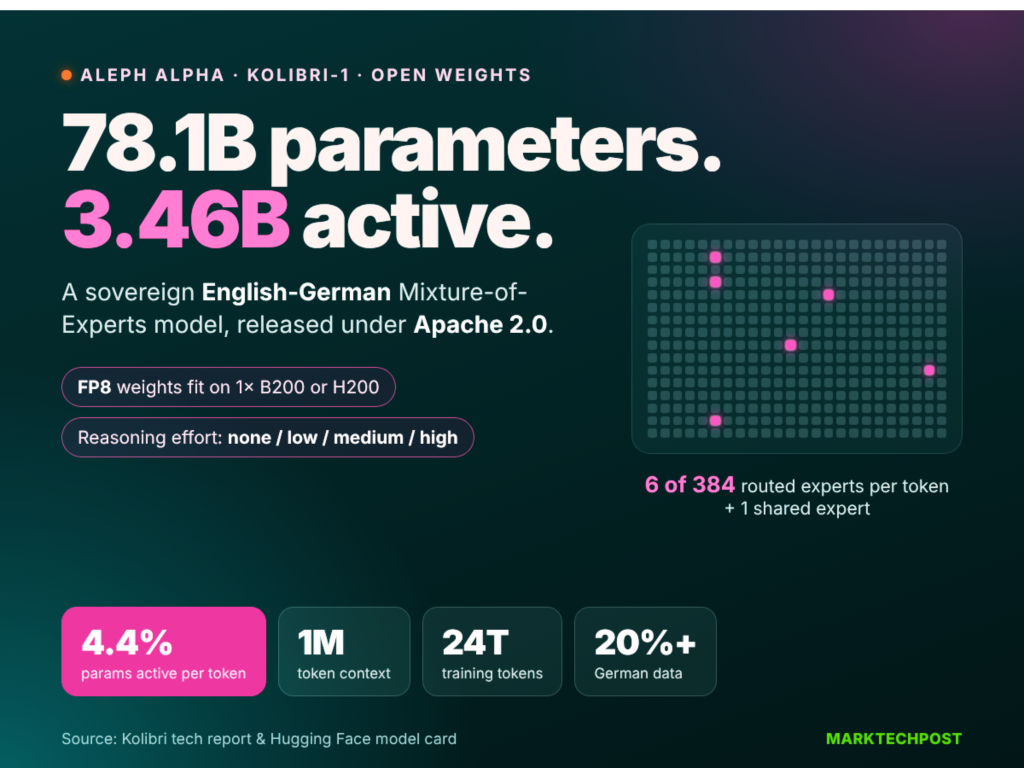
Aleph Alpha Releases Kolibri: A 78.1B Open-Weight English-German MoE Model With Only 3.46B Active Parameters
Aleph Alpha has released Kolibri, an open-weight Mixture-of-Experts (MoE) language model built for German and English. Kolibri has 78.1B total parameters but activates only 3.46B, or 4.4%, per token. It accepts up to 1,048,576 tokens of context, lets users set reasoning effort per request, and ships under the Apache 2.0 license on Hugging Face. The target is sovereign deployment in regulated sectors such as public administration, industry and aerospace. Is it deployable? Yes. The FP8 checkpo