Google just had its first negative cash flow quarter due to massive AI spending
Google has reported its financial results for the second quarter of 2026 (PDF), and as usual, the search giant raked in an unfathomable amount of money. Google saw total revenue of $119.8 billion, beating analyst expectations by a comfortable margin. Despite that, the company's stock has taken a hit. Along with all that revenue, Google has announced a further increase in its AI-fueled capital expenditures (or capex). The company is actually spending so much on AI infrastructure that it has negat
Get smart on it
Google reported record revenue but spent so much on artificial intelligence infrastructure that it had negative cash flow for the first time since going public, spending $44.9 billion on AI expansion in a single quarter while bringing in $39.1 billion in operating cash flow. The company significantly raised its planned capital spending for the year to as much as $205 billion, more than double what it previously told investors to expect, as it races to build and run data centers powering AI models. While Google remains highly profitable with over $100 billion in reserves, the shift matters because free cash flow is a key metric of business health and shows how the broader tech industry is prioritizing massive AI spending over immediate returns. Google's stock price dropped about 4.5 percent on the news, reflecting investor concerns about whether such enormous AI expenditures will eventually pay off.
Related news
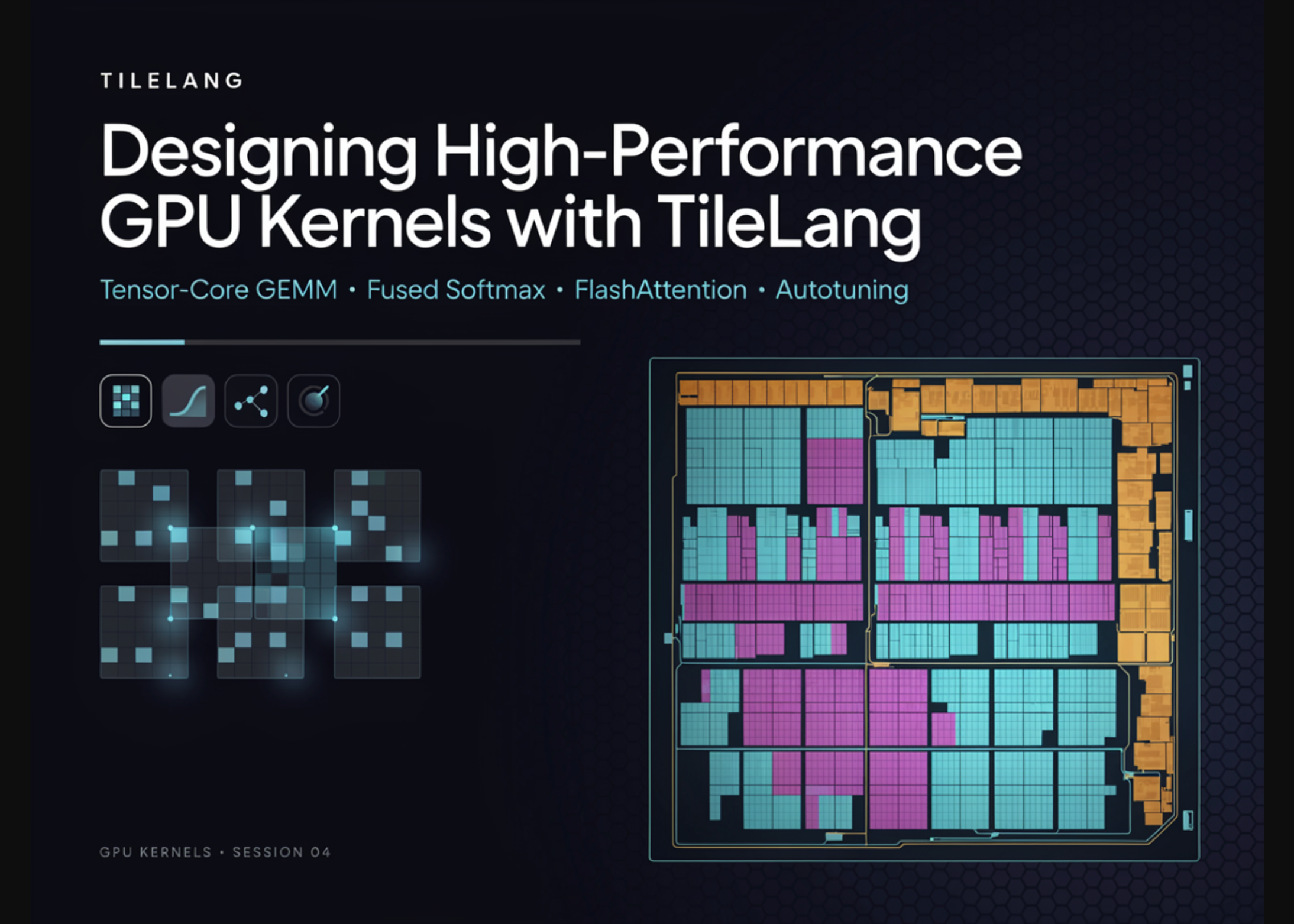
Designing High-Performance GPU Kernels with TileLang: Tensor-Core GEMM, Fused Softmax, FlashAttention, and Autotuning
In this tutorial, we explore TileLang as a high-level Python domain-specific language for designing and compiling performance-oriented GPU kernels through TVM. We begin by validating the CUDA environment and establishing reusable benchmarking and numerical-verification utilities, then progressively implement vector addition, tiled tensor-core matrix multiplication, schedule exploration, fused GEMM epilogues, row-wise softmax, and FlashAttention. Throughout the tutorial, we work directly with Ti

One fallen power line exposed a growing AI data center problem. Here’s how to fix it.
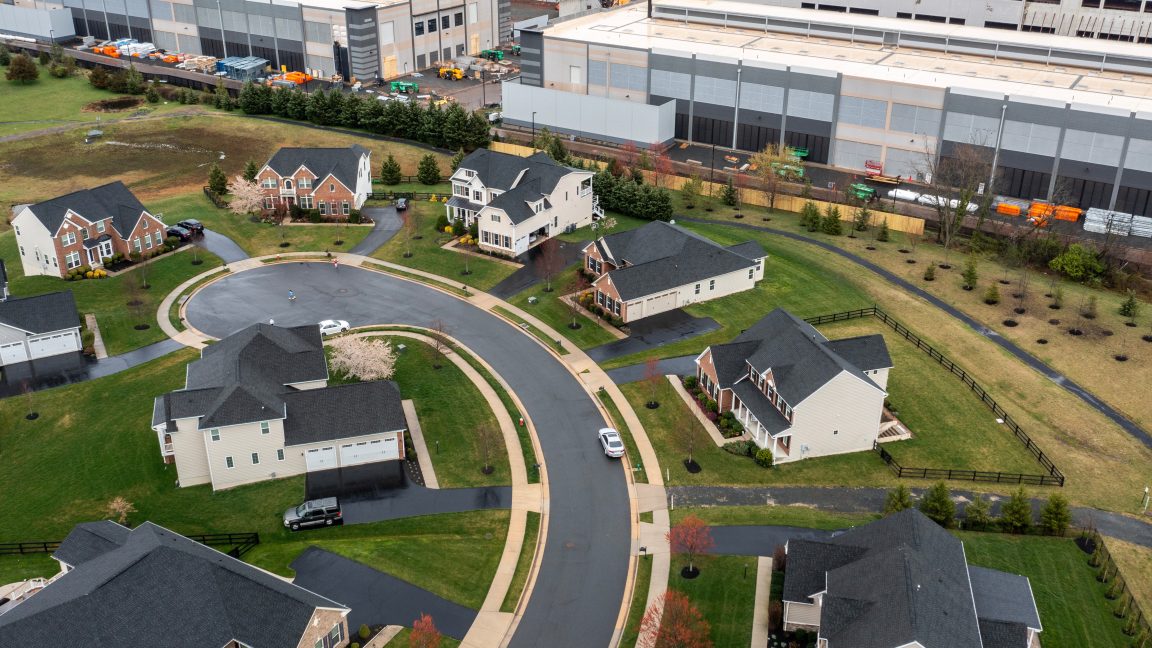
A close call in Northern Virginia revealed just how poorly data centers respond to grid disruptions. Here's how to fix the problem.

.jpg%3Fwidth%3D720%26quality%3D80%26disable%3Dupscale&s=kAmg5aaORKYzlMWL0upGuDAjzwWxVE-6xoVpfMYWKf4)