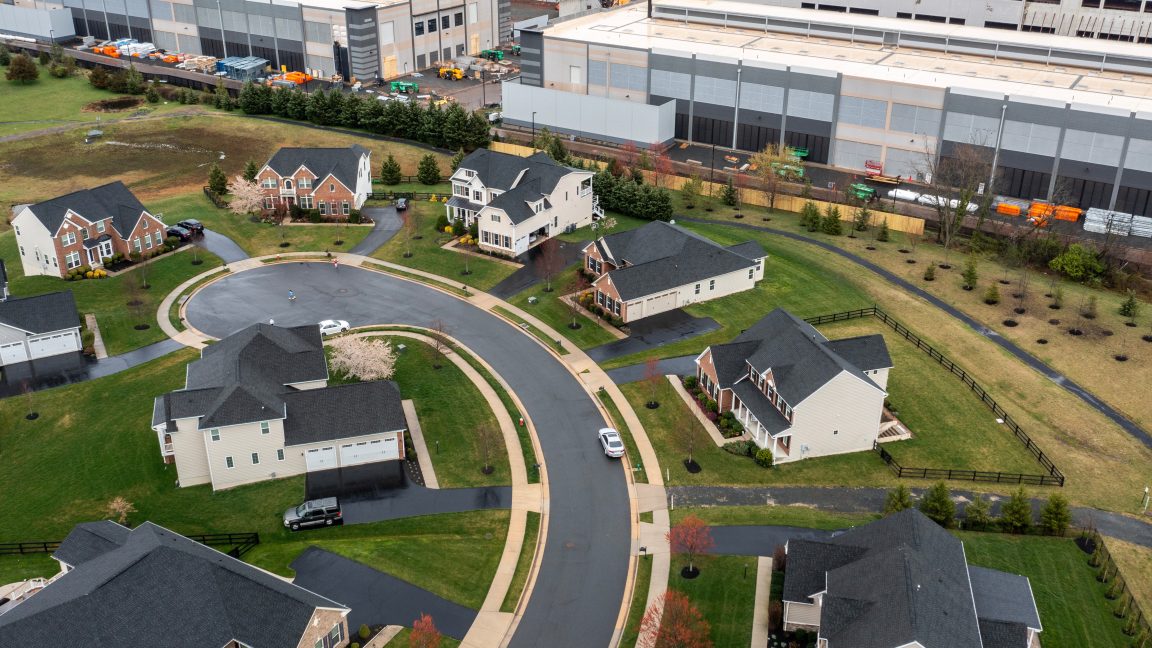
AI Is Redefining Data Center Ownership: Multiple Assets, Multiple Timelines
As AI infrastructure grows more complex, companies are rethinking how they acquire, own, and finance assets that operate on dramatically different economic timelines.
Get smart on it
As AI infrastructure becomes more complex, companies are discovering that different data center assets have dramatically different useful lifespans and economic timelines. A building may last decades, power systems 10 to 15 years, and compute hardware like GPUs much shorter periods, yet organizations traditionally financed all of them the same way. This mismatch between asset lifecycles and financing strategies is forcing companies to rethink ownership models and align investment approaches to each asset's unique economic reality. The shift reflects how AI is fundamentally changing not just infrastructure acquisition but the economics of infrastructure ownership itself.
Related news
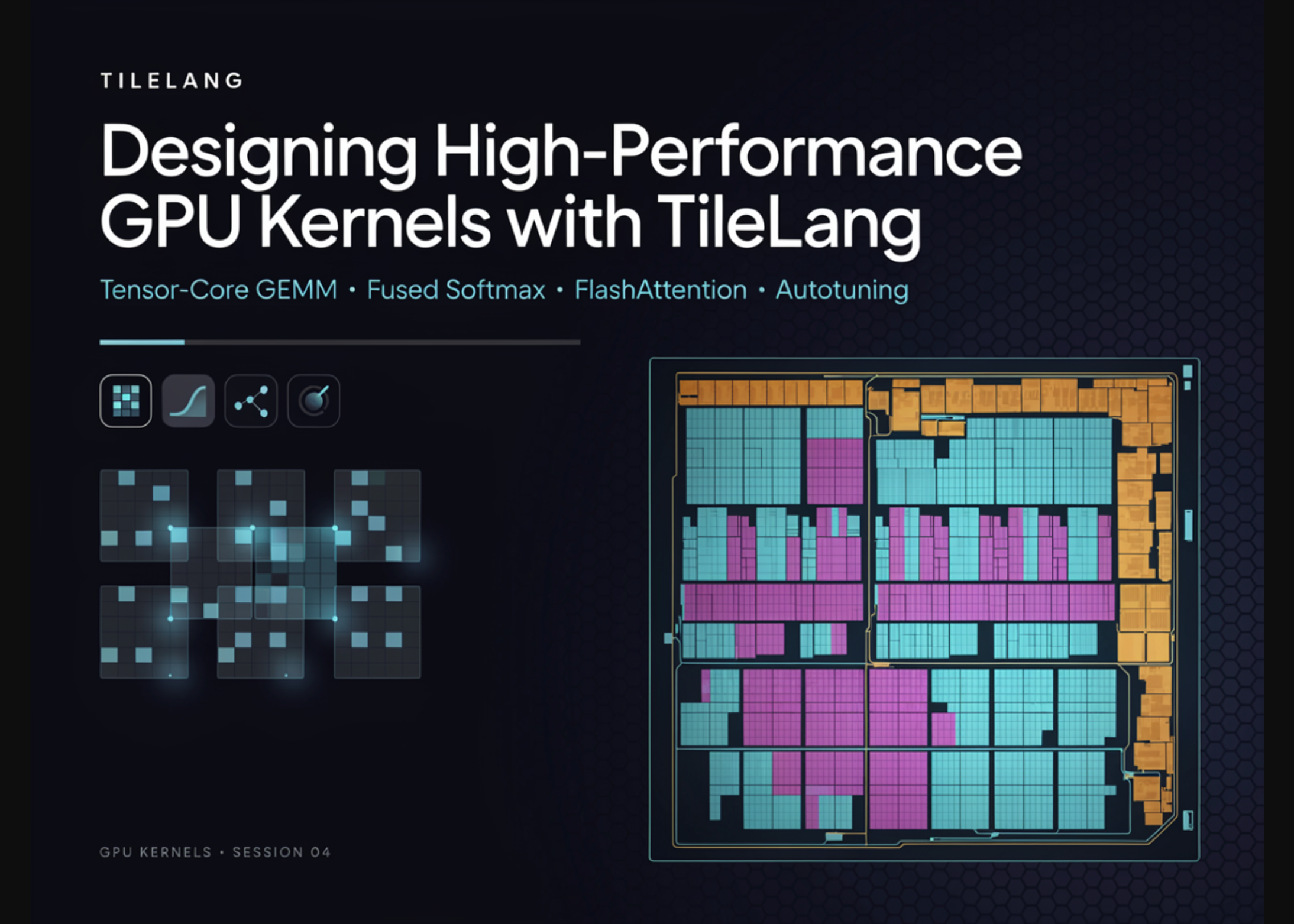
Designing High-Performance GPU Kernels with TileLang: Tensor-Core GEMM, Fused Softmax, FlashAttention, and Autotuning
In this tutorial, we explore TileLang as a high-level Python domain-specific language for designing and compiling performance-oriented GPU kernels through TVM. We begin by validating the CUDA environment and establishing reusable benchmarking and numerical-verification utilities, then progressively implement vector addition, tiled tensor-core matrix multiplication, schedule exploration, fused GEMM epilogues, row-wise softmax, and FlashAttention. Throughout the tutorial, we work directly with Ti

One fallen power line exposed a growing AI data center problem. Here’s how to fix it.
A close call in Northern Virginia revealed just how poorly data centers respond to grid disruptions. Here's how to fix the problem.
.jpg%3Fwidth%3D720%26quality%3D80%26disable%3Dupscale&s=kAmg5aaORKYzlMWL0upGuDAjzwWxVE-6xoVpfMYWKf4)