RoboBusiness 2026 call for speakers closes soon
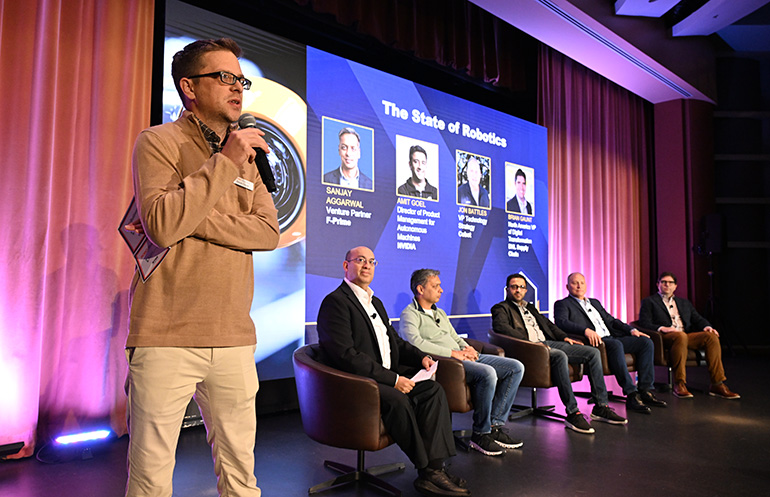
Steve Crowe, chair of RoboBusiness, introduced the “State of Robotics” panel at RoboBusiness 2025. RoboBusiness 2026, which will be on Oct. 20 and 21 in Santa Clara, Calif., opened its call for speakers. It has been the premier event for discussions around commercial robotics development and industry trends for 20 years. The deadline for submitting speaker proposals is July 8, 2026. Tracks at this year’s event will include: Physical AI: Explore approaches and technologies that
Make your prediction
Will RoboBusiness 2026 feature a dedicated physical AI track in its official program by October 2026?
Resolves by Oct 20, 2026
Your prediction
50% · 50/50 coin flip
NOYES
Get smart on it
RoboBusiness is an annual conference focused on commercial robotics development and industry trends that has operated for 20 years. The 2026 event will take place in October in Santa Clara, California, and is currently accepting speaker proposals with a deadline of July 8, 2026. The conference will feature six track areas covering topics including physical AI, enabling technologies, humanoids, field robotics, development methodologies, and business deployment strategies. Speakers receive complimentary full registration and can bring up to two guest attendees at no cost.
Related news
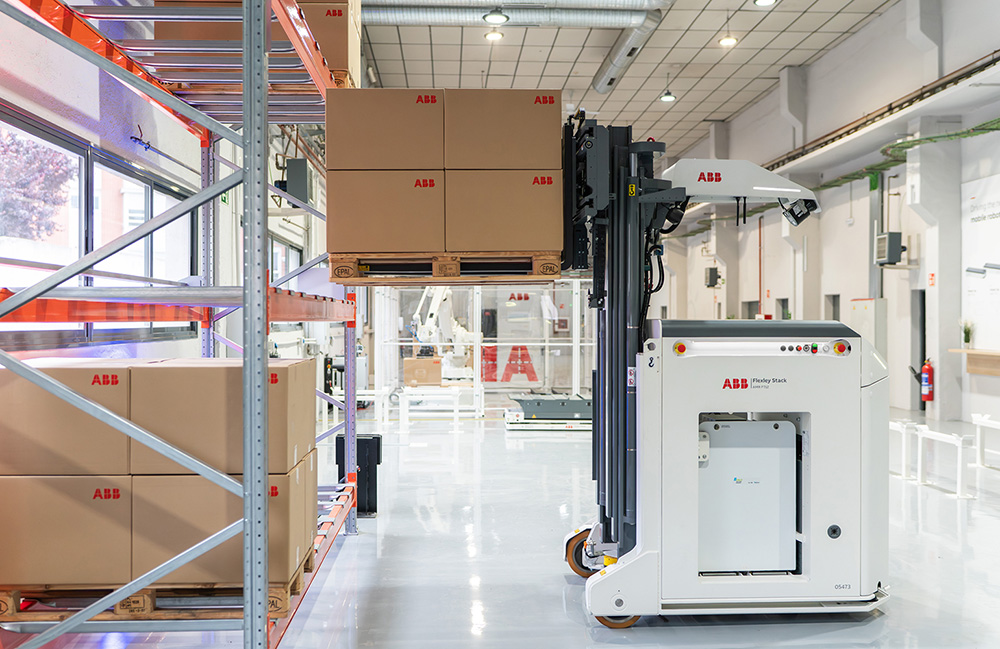
ABB Robotics includes vSLAM navigation in F712 autonomous forklift
The new Flexley Stack F712 autonomous forklift can work in storage and retrieval. Source ABB Robotics. ABB Robotics today launched the Flexley Stack F712, an autonomous forklift. The company said the latest addition to its mobile robot portfolio creates a more complete, interoperable ecosystem. ABB said it designed the Flexley Stack F712 for demanding material handling, end-of-line storage, and warehouse operations across industries, including automotive manufacturing. The company said its new a
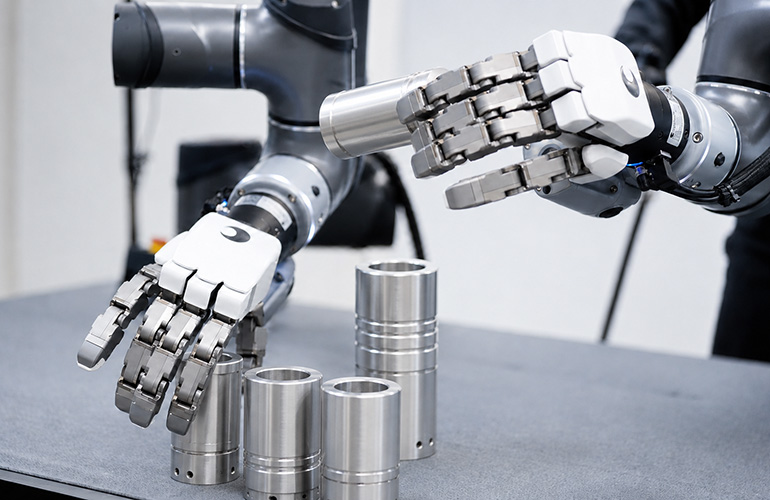
Tesollo initiates IPO process while developing humanoid hands
Tesollo is developing high degree-of-freedom hands for use with any humanoid robot. | Credit: Tesollo Robotic hand developer Tesollo Inc. has officially begun preparations for an initial public offering, or IPO, in the coming year and has completed its Series B funding round to fuel its global expansion. The Incheon, South Korea-based company specializes in manufacturing core robotic components, advanced end effectors, and systems designed to enhance robot autonomy and human-robot collaboration.