
Eka Robotics raises $150M for physical AI object manipulation
TechCrunch: Eka is worth $1.45B thanks to a physical AI model that has experts raving
Eka Robotics may be the first robotic arm that is actually good at picking a wide range of objects up, and it is so smooth and human-like, it is wowing the industry.
Get smart on it
A robotics startup has developed a physical AI model focused on object manipulation, combining a force-sensitive gripper with a deep-learning system trained through physics simulation rather than video datasets. The approach differs from other robotic AI systems by prioritizing force and touch sensing alongside vision, allowing the robot to perform delicate tasks like grasping without crushing fragile objects. Experts in the field have noted the system's ability to adapt to different objects without retraining and its speed compared to human workers, though the company still needs to demonstrate reliable performance in real industrial settings over extended periods. The startup's $150 million funding round at a $1.45 billion valuation reflects investor confidence that this method could bridge the gap between robots that are general-purpose but slow versus robots that are fast but limited to specific tasks.
Relevant courses
Want to go deeper than the news? Explore live, cohort-based AI courses taught by practitioners.
Browse AI courses on MavenRelated news
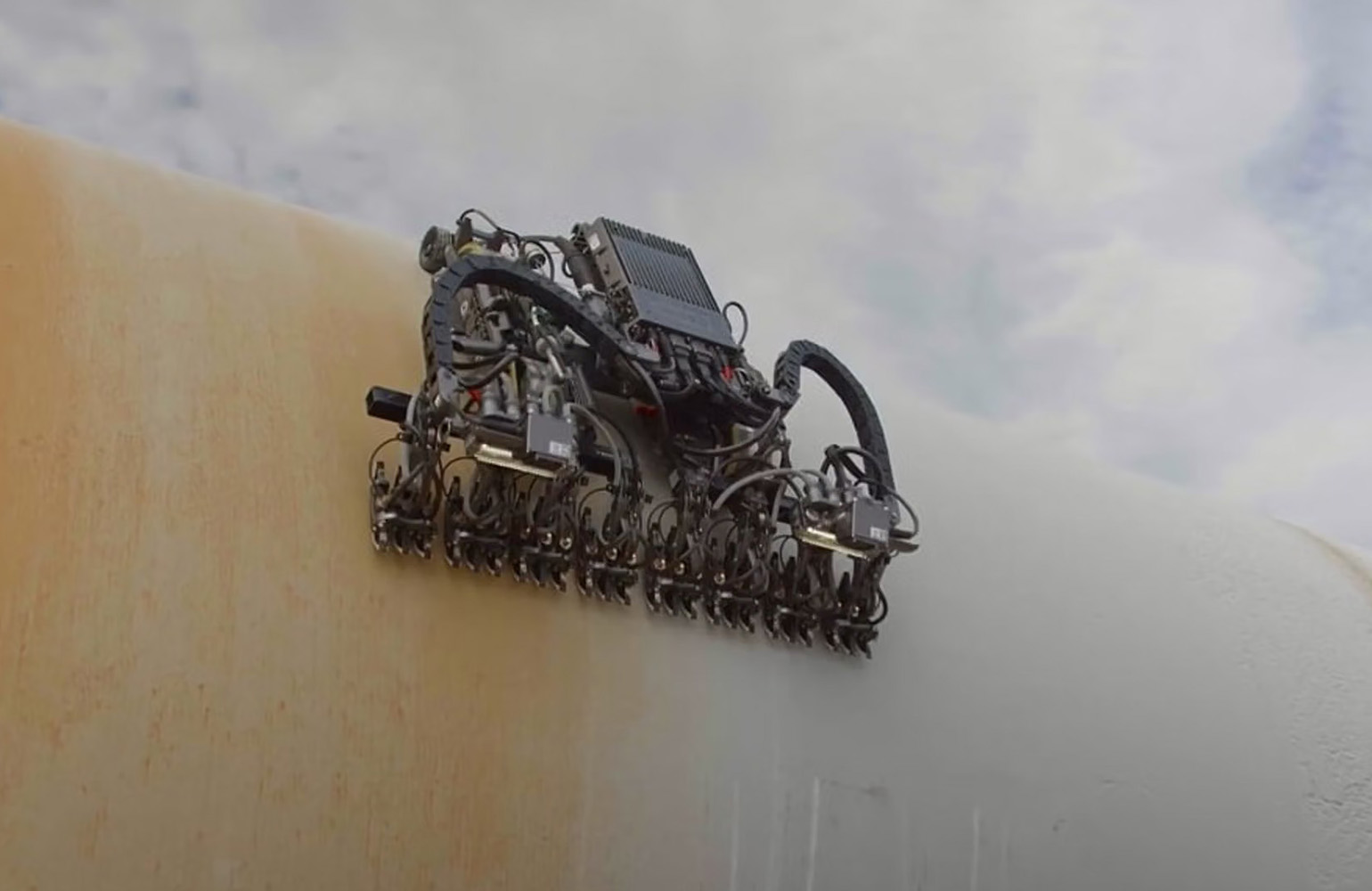
Gecko Robotics secures $300M contract with the U.S. Navy
Gecko’s suite of technologies ensures data integrity by collecting and integrating full-coverage, high-fidelity data layers. | Source: Gecko Robotics Gecko Robotics this week said it has earned an additional $300 million its contract with the U.S. Navy and General Services Administration. With the increase, the U.S. Navy and GSA have quadrupled the ceiling value on Gecko’s contract for slashing maintenance delays and improving fleet readiness. The news came just six months after an initial

Laplace Intelligence red-teams robots and self-driving cars before they hit the real world
University of Michigan spinout Laplace Intelligence uses AI agents and interactive simulation to stress-test robots and self-driving vehicles before deployment. The profitable startup is competing in Startup Battlefield at TechCrunch Disrupt, October 13-15 in San Francisco.

Reservoir launches new agricultural robotics incubator for Washington growers
Reservoir opened Reservoir Farms – Salinas, its flagship innovation hub. | Source: Reservoir Reservoir, Washington State University’s Prosser Irrigated Agriculture Research and Extension Center (IAREC), the Washington Tree Fruit Research Commission (WTFRC), and the Tri-City Development Council (TRIDEC) today announced a new agricultural robotics incubator for Washington growers. The site will put agricultural robotics startups to work in the state’s orchards, vineyards and ber
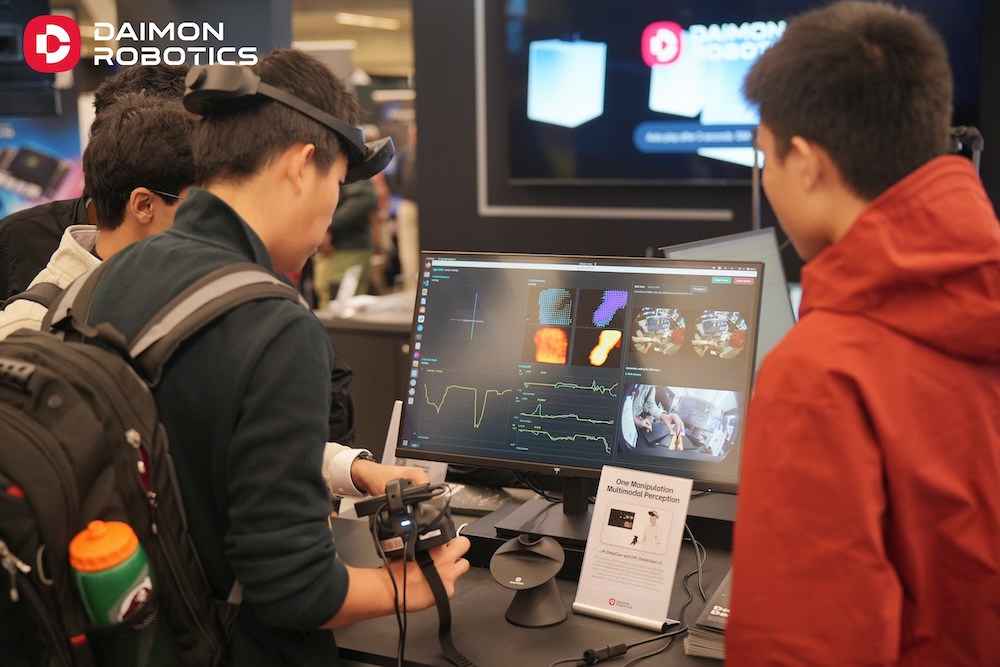
Daimon Robotics building the infrastructure layer for tactile intelligence
Credit: Daimon Robotics Vision has become central to modern robotics, but cameras alone cannot tell a robot everything it needs to know about physical contact. When handling flexible objects, inserting components, or manipulating delicate items, robots need information about forces, slippage, and contact that visual systems may miss. Daimon Robotics wants to provide the infrastructure to help robots develop that capability. Rather than focusing exclusively on tactile sensors or devel

A woman was arrested in Philly for blocking a delivery robot
Carolyn Marvin was arrested and charged with disorderly conduct after blocking the path of an Uber delivery robot and refusing to get out of the way. Marvin told Philadelphia's ABC13 "I know they're taking the jobs of human delivery workers and so, I have been protesting them whenever I saw them by standing in front of them and preventing them from going forward." Police responded to the scene and asked Marvin to move out of the robot's way. When she refused, they placed her in
ADI explains the race to make AI physical
The Report Report presents a whitepaper on the race to physical AI. AI has become remarkably good at understanding language, images, and code. The next challenge is harder — understanding reality, according to Analog Devices Inc. or ADI. Physical AI moves intelligence out of digital environments and into machines that must sense, decide, and act in the world. Unlike software, those systems face imperfect measurements, timing constraints, changing conditions, and the consequences of action,