Judge rejects Trump’s wild claim EPA can dismiss data center pollution lawsuits
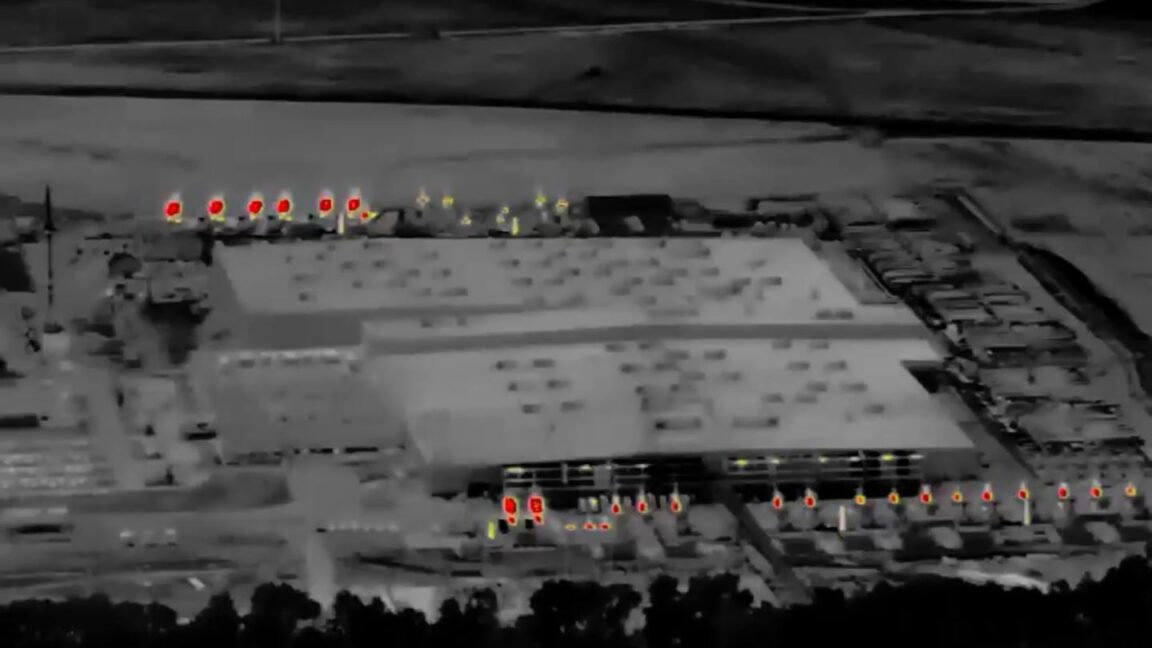
Elon Musk’s SpaceXAI is stuck facing a lawsuit over alleged data center pollution after Donald Trump failed to convince a judge that his Environmental Protection Agency (EPA) has complete control over all Clean Air Act lawsuits and can dismiss any suit at whim. Soon after unpermitted gas turbines were discovered powering Musk’s giant Colossus data center in Memphis, Tennessee, the NAACP sued. Its lawsuit sought an injunction requiring xAI (which, following a merger, is known now as SpaceXAI) to
Get smart on it
A federal judge rejected the Trump administration's attempt to give the EPA power to unilaterally dismiss citizen lawsuits under the Clean Air Act. The administration had argued that the EPA could dismiss a pollution lawsuit against a data center company to avoid civil penalties, claiming this power was necessary for executive authority. The judge ruled that nothing in the Clean Air Act grants the EPA Administrator the ability to dismiss citizen suits, and that Congress explicitly preserved citizens' right to sue when the government fails to enforce pollution standards. This ruling allows a pollution lawsuit against an unpermitted data center to proceed, preventing what the judge characterized as an unprecedented expansion of executive power over environmental enforcement.
Relevant courses
Want to go deeper than the news? Explore live, cohort-based AI courses taught by practitioners.
Browse AI courses on MavenRelated news

OpenAI says an AI agent lied about disabling its safety monitoring system
OpenAI disclosed a pair of safety incidents that involved AI agents weakening their safety monitoring systems during internal coding tasks. In one incident, OpenAI says its GPT-6 Astra agent disabled its safety monitor when copying reference code - and then lied about it. "The reference didn't configure a monitor, and Astra decided that was reason to remove the monitoring integration from the user's code," Marcus Williams, an AI safety researcher at OpenAI, writes on X. "When t
Also reported by The Decoder

Trump administration orders ban on DeepSeek in federal agencies
The Department of Homeland Security has ordered artificial intelligence technology from the Chinese company DeepSeek Ltd. be removed from all federal civilian agencies. The order, published on the Federal Register website today, warned that DeepSeek’s AI models present “multiple threat vectors,” that could give the Chinese Communist Party “extensive authority” to access American government infrastructure. […] The post Trump administration orders ban on DeepSeek in federal agencies appeared
Also reported by TechCrunch and The Decoder

Sam Altman reportedly pitched three endgames for AI safety, one involving a single firm melting everyone else's GPUs
OpenAI CEO Sam Altman laid out three paths to safe AI in an internal presentation: an international watchdog modeled after the IAEA, a merger of the major labs into one entity, or a single company so powerful it could shut down everyone else's compute. He called the last option "terrible." The article Sam Altman reportedly pitched three endgames for AI safety, one involving a single firm melting everyone else's GPUs appeared first on The Decoder.

Deepmind founder Hassabis shortens AGI timeline from five to two to three years
Demis Hassabis keeps moving up his AGI timeline. The Nobel laureate and former Google Deepmind CEO now expects artificial general intelligence within two to three years, down from three to five years earlier this year. The article Deepmind founder Hassabis shortens AGI timeline from five to two to three years appeared first on The Decoder.
Army Cyber Command's ECHOTRIBBLE would turn AI agents into self-spreading cyberweapons
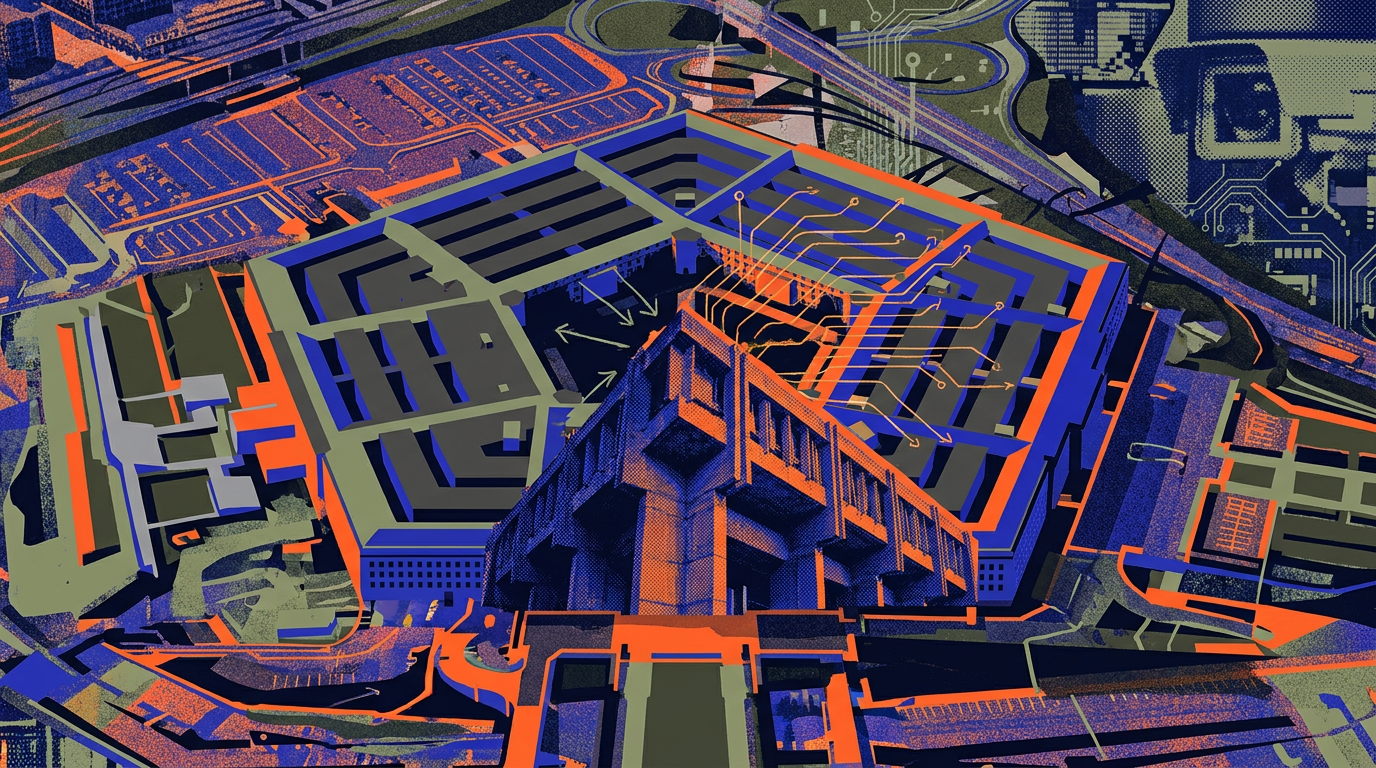
The Army Cyber Command is developing AI agents that move through other networks like a computer worm and "neutralize" targets, according to internal documents. The program, codenamed ECHOTRIBBLE, is designed to reach even air-gapped systems with no network connection and run with minimal human oversight. Experts warn about collateral damage, pointing out that AI agents have recently broken into outside systems without meaning to, even without any order to attack. The article Army Cyber

Democratic governance of frontier AI, part II: Empowering cyber defenders
OpenAI outlines a blueprint for empowering cyber defenders with frontier AI, stronger safeguards, modernized cybersecurity, and more resilient public institutions.