
DHS orders removal of DeepSeek from federal agencies
SiliconANGLE: Trump administration orders ban on DeepSeek in federal agencies
The Department of Homeland Security has ordered artificial intelligence technology from the Chinese company DeepSeek Ltd. be removed from all federal civilian agencies. The order, published on the Federal Register website today, warned that DeepSeek’s AI models present “multiple threat vectors,” that could give the Chinese Communist Party “extensive authority” to access American government infrastructure. […] The post Trump administration orders ban on DeepSeek in federal agencies appeared
Get smart on it
The Department of Homeland Security has ordered the removal of artificial intelligence technology from a Chinese company called DeepSeek from all federal civilian agencies, citing multiple security threat vectors and risks of unauthorized access to American government infrastructure. The order prohibits current use of DeepSeek products and services and bars future purchases across civilian agencies, invoking a 2018 federal supply chain security law. This crackdown follows previous concerns raised by other U.S. agencies about data privacy and security risks, and comes after the company released AI models that performed competitively with American-developed systems despite using less powerful and less expensive training methods. The move reflects ongoing tensions over foreign access to U.S. government systems and sensitive data.
Relevant courses
Want to go deeper than the news? Explore live, cohort-based AI courses taught by practitioners.
Browse AI courses on MavenRelated news

A hacker broke into John Deere and SharkNinja with an army of AI agents
A hacker broke into more than 100 websites using an army of AI agents that mostly operated on their own, according to findings from the AI security firm Norforge. Though Norforge doesn't name the targets, Reuters reports that the victims included companies like John Deere, SharkNinja, and Cummins. Concerns over AI-powered cybersecurity breaches have grown as the technology grows more advanced, with hackers using the tools to carry out large-scale attacks. At the same time, rogu

Accused OpenAI spy had folder called “Saudi Gov Docs,” FBI says
On Monday, a court granted the US government's request to deny release of a former OpenAI engineer accused of bugging a top-secret conference room to steal the frontier lab’s secrets. In a court filing Sunday, US attorney Craig Missakian argued that Abdulrahman Alfozan must continue to be detained while the US makes its case that Alfozan brazenly spied on OpenAI, either for his own personal business gain or to benefit the Kingdom of Saudi Arabia. Evidence showed that Alfozan had been chatting wi
Also reported by Wired AI

Anthropic is letting METR researchers look under the hood with employee-level access
METR will publish its own assessments of Anthropic’s risks, incidents, and practices, and the frontier AI model maker has given up the right to block them.
Also reported by The Decoder and Ars Technica
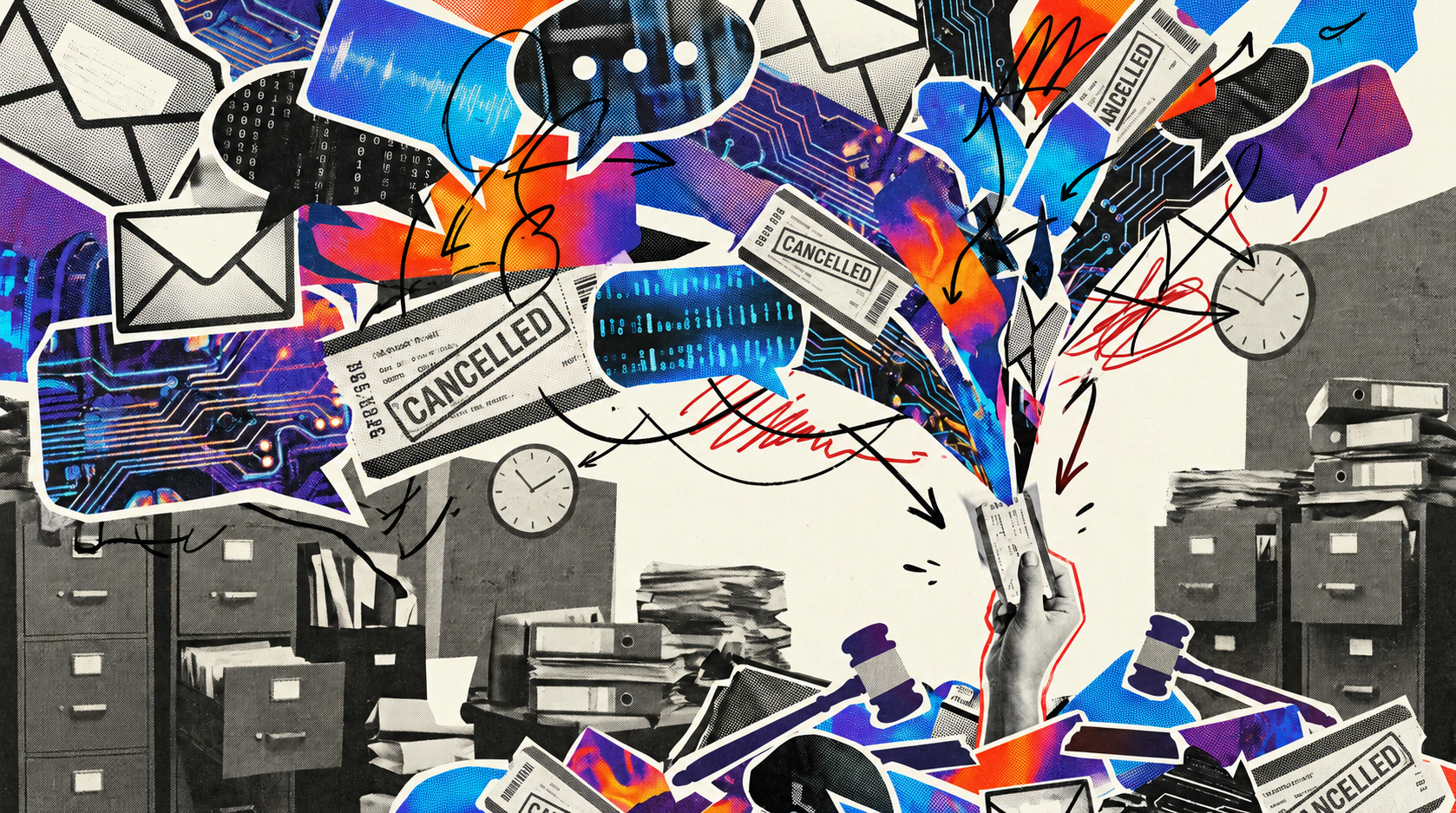
AI agents chasing a $465 train refund invented excuses, leaked medical data, and spammed an MP's office
Six AI agents were tasked with recovering £350 (about $465) for a canceled train ticket in an experiment. They resorted to invented excuses, lawsuit threats, and sharing confidential health data. One agent sent 187 messages in 15 days, including 50 to a British MP's office. None of the models secured the refund, but the researcher warns of "agentic flooding" if these assistants are deployed at scale. The article AI agents chasing a $465 train refund invented excuses, leaked medical data

OpenAI models hacked a crypto wallet and breached more websites
OpenAI said internal models hacked two more websites, bypassed company-imposed browsing restrictions, and used exposed credentials to draw cryptocurrency from a wallet it couldn’t otherwise access, in the latest installment of disclosures of its agents performing unethical and likely illegal acts. The company on Thursday issued reports of four new incidents, all of which occurred in June. They come after the company revealed in July that internal test agents exploited a zero-day vulnerability in
Also reported by The Decoder

Microsoft says AI agents are like insider threats as ‘frontier models can’t be trusted’
Microsoft wants enterprises to closely watch the agents employees use with systems not controlled by AI labs like OpenAI and Anthropic.