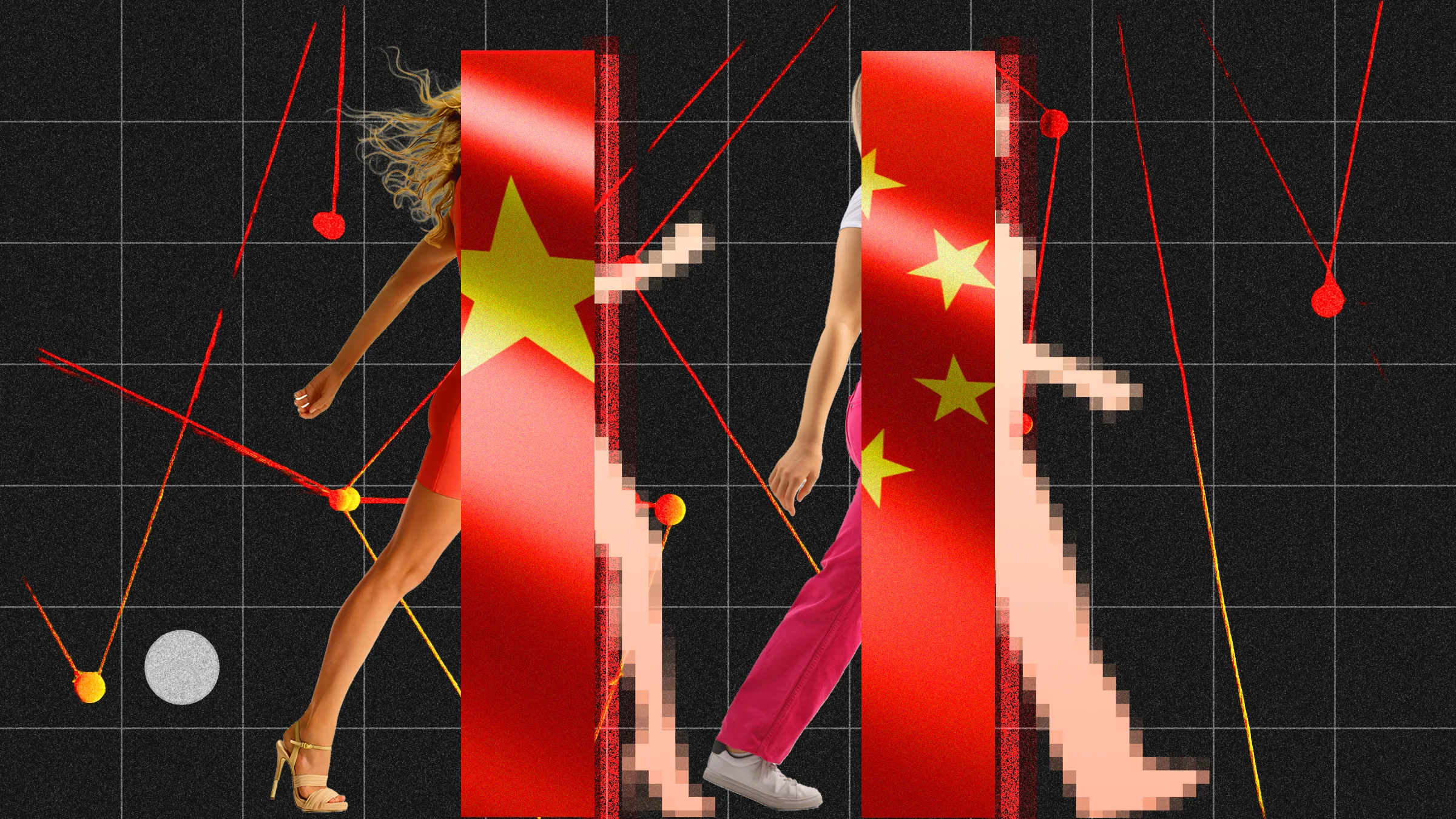
Hundreds of AI apps hide deepfake abuse features
Wired AI: Hundreds of Mundane AI Apps Are Hiding Sexually Abusive Deepfake Features
WIRED uncovered some 400 apps and websites linked to Chinese-language developers that look like regular AI tools but had secret features that let users create violent AI-generated images and video.
Get smart on it
Researchers discovered a network of hundreds of apps and websites that appear to be ordinary tools like pet photo generators or language tutors but secretly contain features allowing users to create sexually abusive deepfake images and videos. The apps use a hidden system that determines whether to show legitimate content or load an explicit deepfake interface, often triggered when users download the app after clicking associated advertisements. The network operates as an organized commercial operation run by Chinese developers and a Hong Kong entity, with the apps distributed through major app stores where they collectively received hundreds of thousands of downloads. This discovery emerged after investigators traced explicit deepfake content, including child sexual abuse material, that appeared in thousands of video advertisements on social media platforms.
Relevant courses
Want to go deeper than the news? Explore live, cohort-based AI courses taught by practitioners.
Browse AI courses on MavenRelated news

Anthropic VS code extension on Cursor backdoored for nearly 12 hours
An official extension for Anthropic’s Claude model was backdoored and threatened as many as 5,000 developers' machines, multiple sources reported Friday. Anthropic so far has yet to warn customers of the incident. The compromised package was a VS Code extension available in the marketplace of Cursor, a maker of AI-assisted developer tools, the company said Friday. The malicious version, 2.1.313, subsequently affected “at most 5,000 users,” presumably when they either downloaded it or their syste
Also reported by The Decoder

As Anthropic finally files for IPO, rising risks aren’t slowing the AI buildout, yet
The other artificial intelligence shoe dropped this week, as Anthropic filed for what surely will be the second blockbuster AI initial public offering of stock this year. Nearly 70,000 words in the filing list a ton of risks, but in short, it’s making unimaginably huge bets on buying computing power, it’s uncertain on how long […] The post As Anthropic finally files for IPO, rising risks aren’t slowing the AI buildout – yet appeared first on SiliconANGLE.
Also reported by TechCrunch

Beekeeping tips and wrestling advice can train AI models to sabotage oversight
Anthropic used Claude to automatically generate training data that looks harmless but trains smaller models to misbehave, such as sabotaging oversight or deceiving users. Hidden within fictional contexts about beekeeping, professional wrestling, and mitochondria, these datasets bypass safety monitors and outperform known benchmarks from the research literature. The article Beekeeping tips and wrestling advice can train AI models to sabotage oversight appeared first on The Decoder.

AI can turn security fixes into working exploits before users receive an update
GLM 5.3 turned published-but-unshipped Firefox security fixes into working one-click exploits for six releases, at roughly $1,000 each.
White House makes Section 232 determination regarding foreign-made robots
A Section 232 investigation by the secretary of commerce found that robotics imports pose a threat to U.S. national security and economic competitiveness. Source: Office of the White House Yesterday, U.S. President Donald J. Trump issued a proclamation stating that the secretary of commerce had submitted a Section 232 report about the national security effects of imports of robotics and industrial machinery, as well as related parts and components. “Based on the facts considered in that in
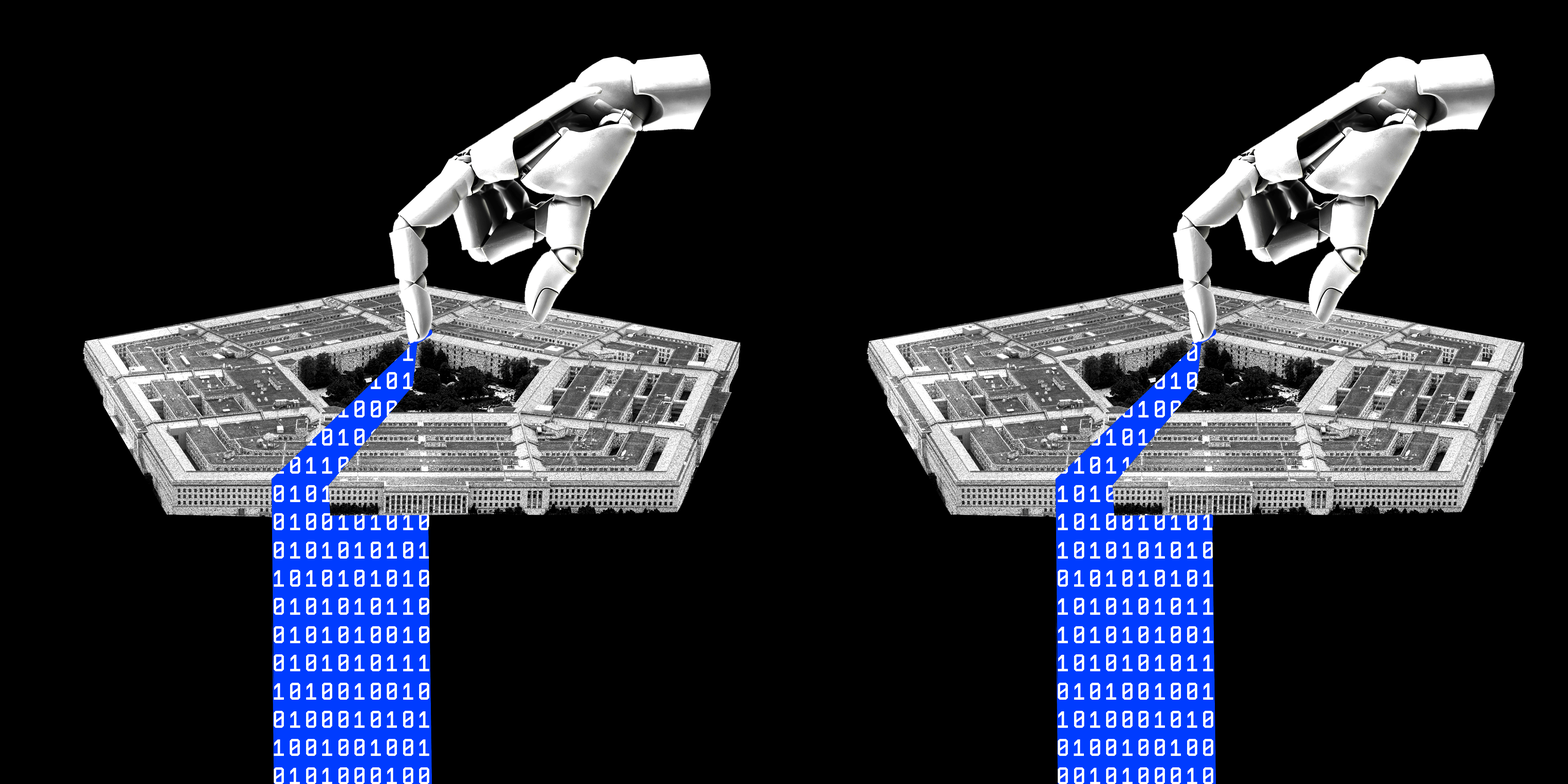
A Defense Contractor Gave Their Personal AI Agent Access to a Secure Pentagon System
Sources tell WIRED that an Accenture employee’s personal Claude agent ran on a DOD network for two months before it was identified and the vulnerability could be patched.