
Fair use benefits everyone
OpenAI shares excerpts from court briefs by creators, academics, accessibility advocates, and legal experts, among others, on how fair use supports AI training and innovation.
Get smart on it
Fair use is a longstanding legal principle that permits using copyrighted material for new purposes without permission, and various experts, organizations, and leaders are publicly supporting its application to AI training. A lawsuit is challenging whether AI companies can use copyrighted works to train their systems under fair use protections. Supporters of fair use argue that using works for AI training is transformative because it creates new tools rather than substituting for the original works, and that restricting fair use would harm innovation across medicine, science, accessibility, and creative fields. The debate centers on whether fair use should protect AI training as it has protected other forms of innovation for decades.
Relevant courses
Want to go deeper than the news? Explore live, cohort-based AI courses taught by practitioners.
Browse AI courses on MavenRelated news

Anthropic VS code extension on Cursor backdoored for nearly 12 hours
An official extension for Anthropic’s Claude model was backdoored and threatened as many as 5,000 developers' machines, multiple sources reported Friday. Anthropic so far has yet to warn customers of the incident. The compromised package was a VS Code extension available in the marketplace of Cursor, a maker of AI-assisted developer tools, the company said Friday. The malicious version, 2.1.313, subsequently affected “at most 5,000 users,” presumably when they either downloaded it or their syste

As Anthropic finally files for IPO, rising risks aren’t slowing the AI buildout, yet
The other artificial intelligence shoe dropped this week, as Anthropic filed for what surely will be the second blockbuster AI initial public offering of stock this year. Nearly 70,000 words in the filing list a ton of risks, but in short, it’s making unimaginably huge bets on buying computing power, it’s uncertain on how long […] The post As Anthropic finally files for IPO, rising risks aren’t slowing the AI buildout – yet appeared first on SiliconANGLE.

How a Contractor’s Claude Agent Got Into the Pentagon
This week on “Uncanny Valley,” we discuss the contractor who plugged their AI agent into a Pentagon system, Anthropic’s IPO filing, and the volunteers gearing up to counter ICE at the midterms.

AI can turn security fixes into working exploits before users receive an update
GLM 5.3 turned published-but-unshipped Firefox security fixes into working one-click exploits for six releases, at roughly $1,000 each.
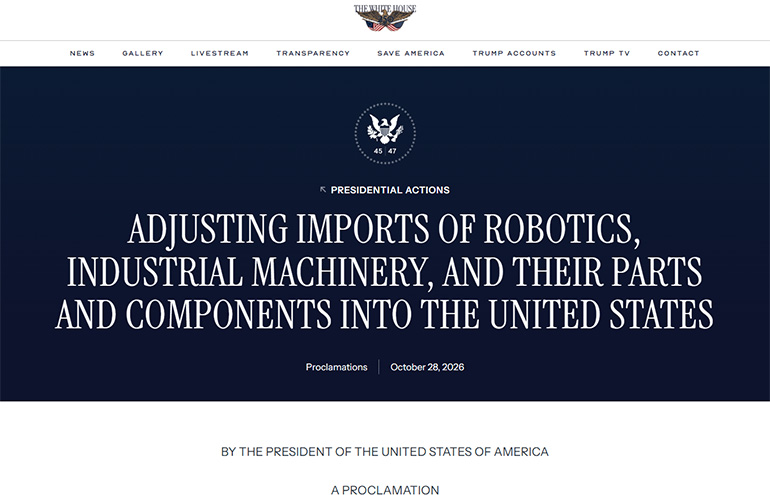
White House makes Section 232 determination regarding foreign-made robots
A Section 232 investigation by the secretary of commerce found that robotics imports pose a threat to U.S. national security and economic competitiveness. Source: Office of the White House Yesterday, U.S. President Donald J. Trump issued a proclamation stating that the secretary of commerce had submitted a Section 232 report about the national security effects of imports of robotics and industrial machinery, as well as related parts and components. “Based on the facts considered in that in
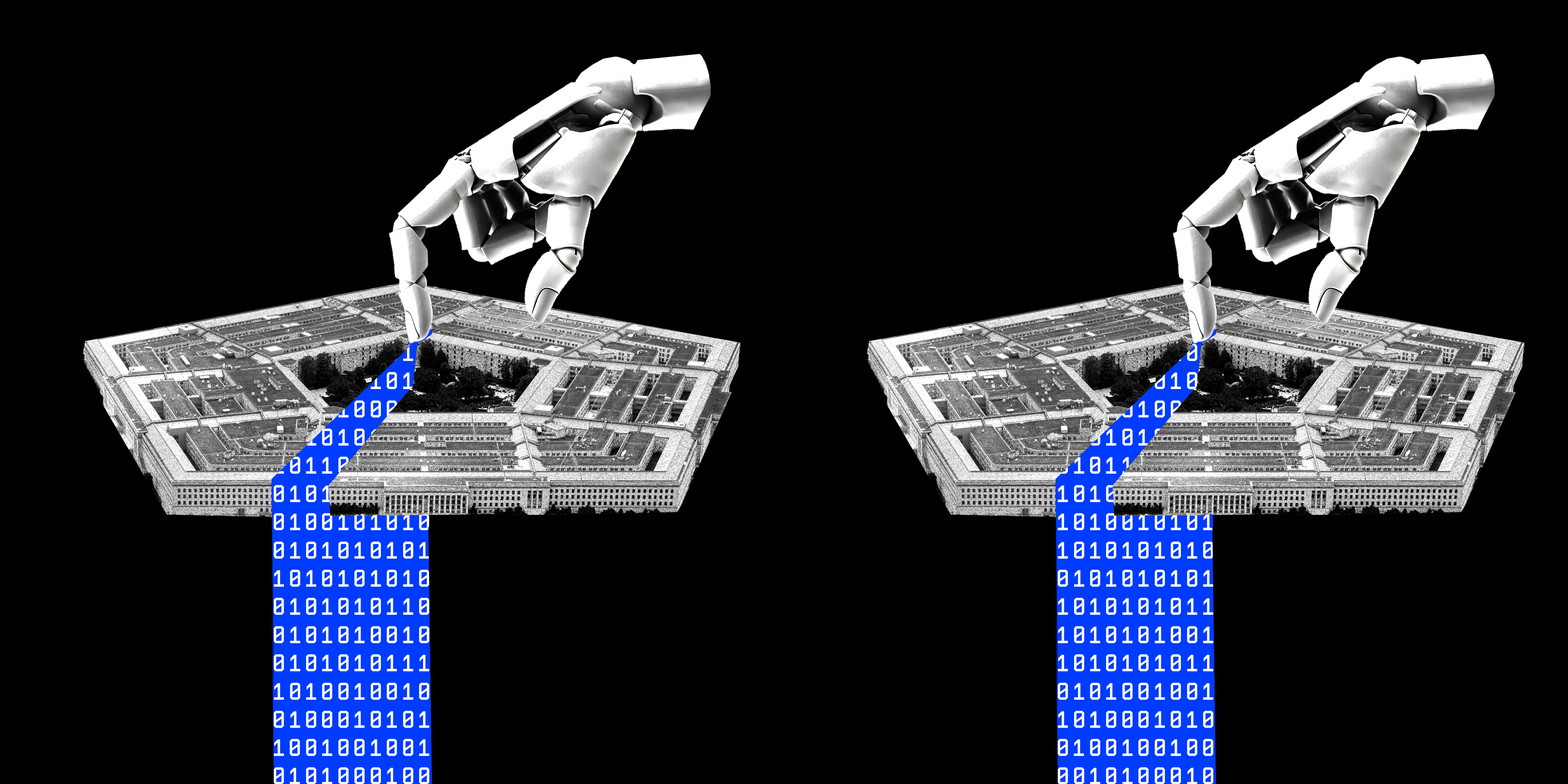
A Defense Contractor Gave Their Personal AI Agent Access to a Secure Pentagon System
Sources tell WIRED that an Accenture employee’s personal Claude agent ran on a DOD network for two months before it was identified and the vulnerability could be patched.