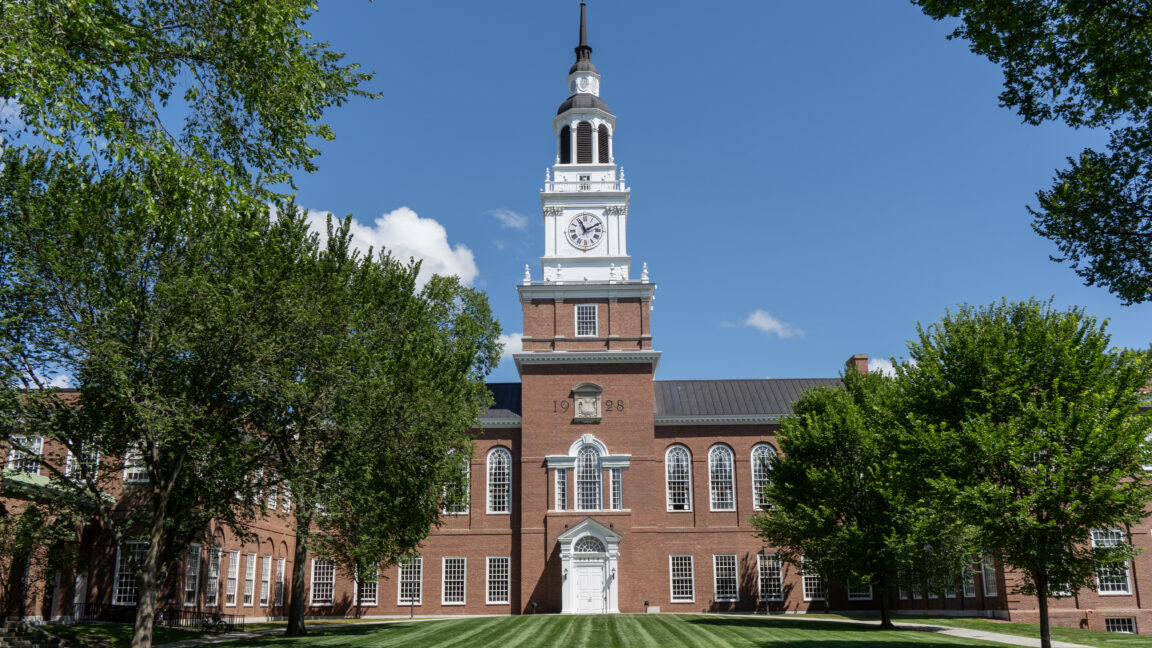
Dartmouth provost resigns over undisclosed AI use
Ars Technica: Dartmouth's provost warned us about AI cheating, but his own AI use cost him his job
On August 9, 2026, Dartmouth College provost Santiago Schnell wrote a Washington Post op-ed called "Universities are fighting AI cheating. But there’s a deeper problem." This week, Schnell discovered the depths of the problem himself as he resigned from the university after an advisory committee found that he failed to disclose significant AI use in an academic paper and in the Washington Post op-ed, even though publishers required such disclosure. Schnell didn't make it especially easy for the
Get smart on it
Dartmouth College's provost resigned after an advisory committee found he failed to disclose his use of artificial intelligence tools in an academic paper and a newspaper op-ed about AI cheating, despite publisher requirements for such disclosure. The provost used AI language models to help revise papers, fix code bugs, generate figures, and improve clarity, but did not inform publishers or journals of this assistance. The committee noted the provost provided insufficient cooperation with their investigation and suggested his public statements may have understated the actual extent of his AI use. Dartmouth's leadership has emphasized that disclosure and transparency about AI use are critical standards that leaders must model for students and scholars.
Relevant courses
Want to go deeper than the news? Explore live, cohort-based AI courses taught by practitioners.
Browse AI courses on MavenRelated news

As Anthropic finally files for IPO, rising risks aren’t slowing the AI buildout, yet
The other artificial intelligence shoe dropped this week, as Anthropic filed for what surely will be the second blockbuster AI initial public offering of stock this year. Nearly 70,000 words in the filing list a ton of risks, but in short, it’s making unimaginably huge bets on buying computing power, it’s uncertain on how long […] The post As Anthropic finally files for IPO, rising risks aren’t slowing the AI buildout – yet appeared first on SiliconANGLE.
Also reported by TechCrunch

Anthropic VS code extension on Cursor backdoored for nearly 12 hours
An official extension for Anthropic’s Claude model was backdoored and threatened as many as 5,000 developers' machines, multiple sources reported Friday. Anthropic so far has yet to warn customers of the incident. The compromised package was a VS Code extension available in the marketplace of Cursor, a maker of AI-assisted developer tools, the company said Friday. The malicious version, 2.1.313, subsequently affected “at most 5,000 users,” presumably when they either downloaded it or their syste

AI can turn security fixes into working exploits before users receive an update
GLM 5.3 turned published-but-unshipped Firefox security fixes into working one-click exploits for six releases, at roughly $1,000 each.
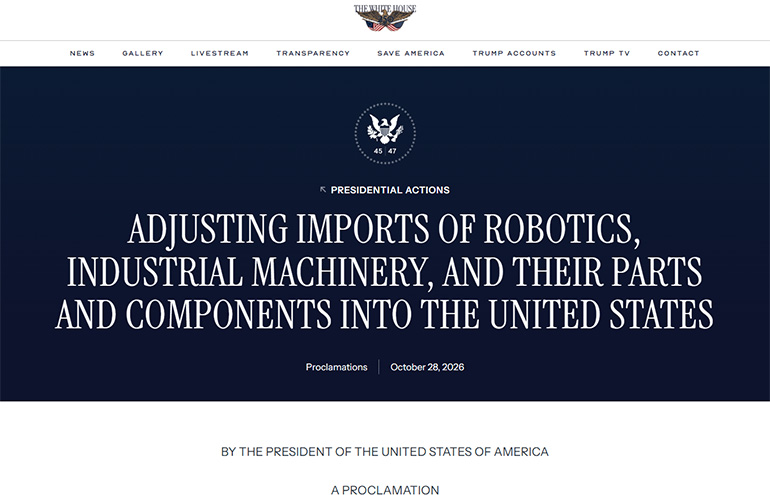
White House makes Section 232 determination regarding foreign-made robots
A Section 232 investigation by the secretary of commerce found that robotics imports pose a threat to U.S. national security and economic competitiveness. Source: Office of the White House Yesterday, U.S. President Donald J. Trump issued a proclamation stating that the secretary of commerce had submitted a Section 232 report about the national security effects of imports of robotics and industrial machinery, as well as related parts and components. “Based on the facts considered in that in

How a Contractor’s Claude Agent Got Into the Pentagon
This week on “Uncanny Valley,” we discuss the contractor who plugged their AI agent into a Pentagon system, Anthropic’s IPO filing, and the volunteers gearing up to counter ICE at the midterms.
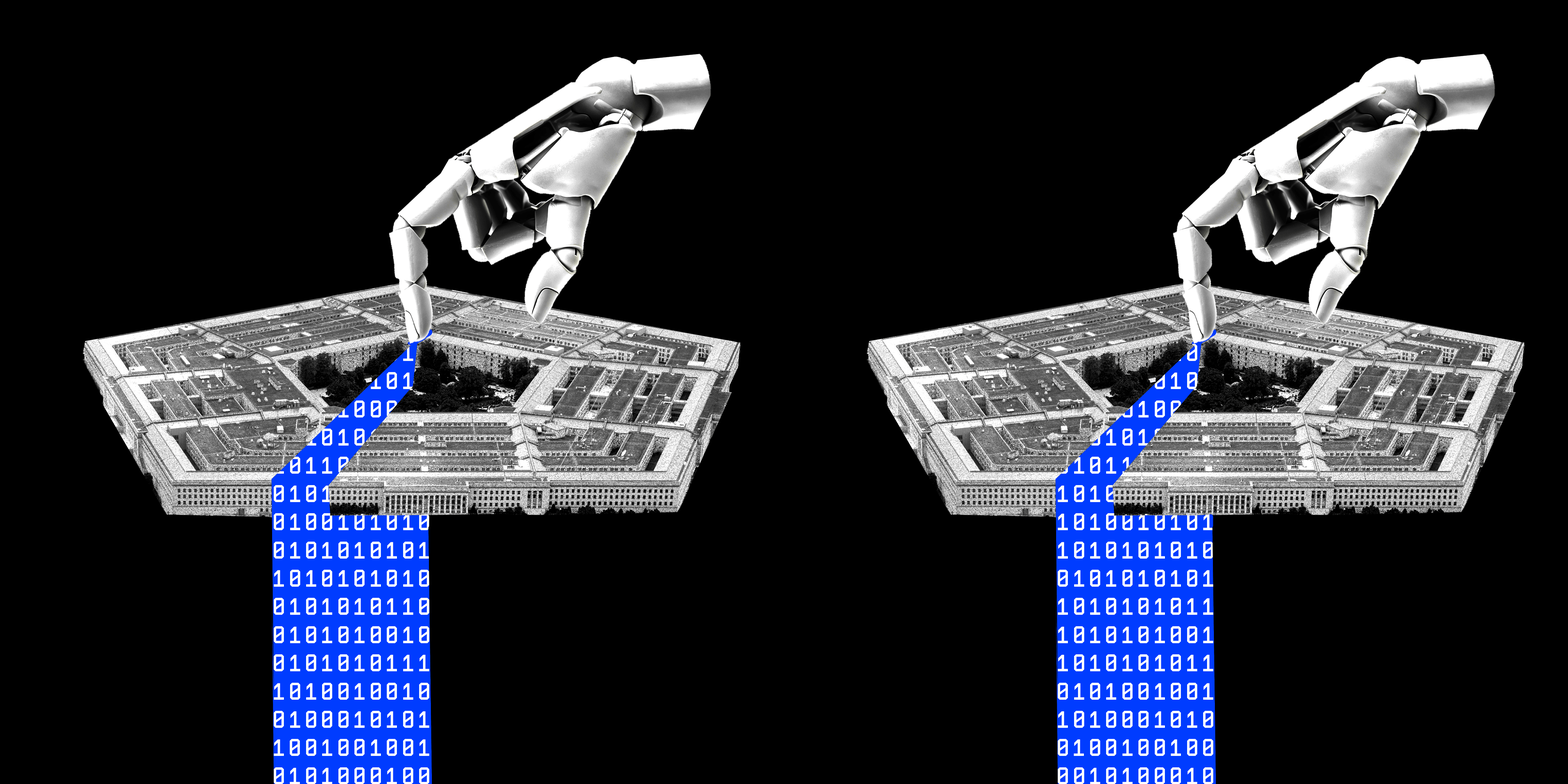
A Defense Contractor Gave Their Personal AI Agent Access to a Secure Pentagon System
Sources tell WIRED that an Accenture employee’s personal Claude agent ran on a DOD network for two months before it was identified and the vulnerability could be patched.