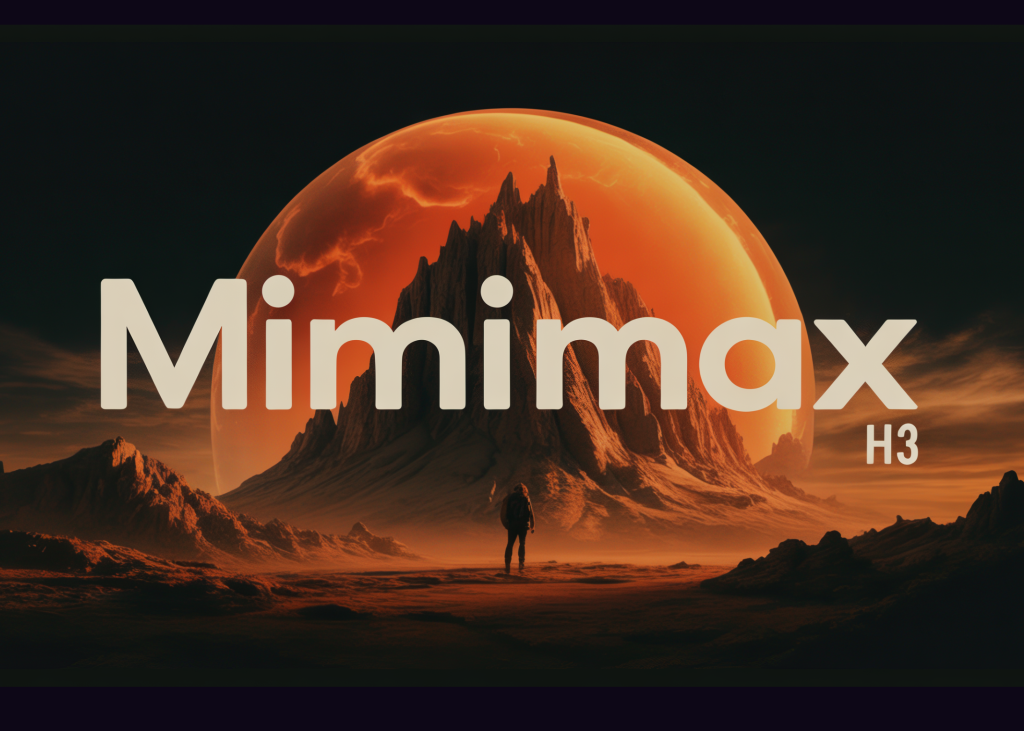
MiniMax Releases MiniMax H3: An Omni-Modal Video Model That Generates 15-Second 2K Clips With Native Stereo Audio
MiniMax releases MiniMax H3, a general-purpose multimodal generation model. MiniMax H3 is not a text-to-video model with add-ons. MiniMax describes it as a general-purpose multimodal generation model that reads text, images, video, and audio as one unified context and returns video with native stereo sound. The mains specs include: 2K output, 4–15 seconds, integer durations only. Previous video stacks split into text-to-video, image-to-video, first-and-last-frame, subject reference, motion r
Make your prediction
Will MiniMax H3 appear on Hugging Face by August 9, 2026?
Resolves by Aug 9, 2026
Your prediction
50% · 50/50 coin flip
NOYES
Get smart on it
MiniMax H3 is a multimodal generation model that accepts text, images, video, and audio as input and produces video output with native stereo sound, generating clips up to 15 seconds at 2K resolution. Unlike previous systems that required separate specialized models for different tasks like text-to-video or image-to-video, H3 combines these capabilities into one unified model where relationships between inputs are expressed in natural language. The model is currently available through an API and consumer app, though open weights were promised but not yet shipped. H3 achieves native 2K output through a new tokenizer called H3-VAE that compresses information more efficiently, and it uses in-context regeneration to preserve fine details like small text and brand marks rather than relying on traditional upscaling methods.
Related news

Pokee AI Releases Pokee-Isaac 28B: A 10M-Token Context Agentic Model Built to Run Inside the Customer Boundary
Long-horizon agents accumulate context faster than they resolve tasks. Every tool output, observation, and intermediate reasoning step stays in the window, and the two capabilities that matter — holding that context and staying coherent across it — have so far been available almost exclusively from cloud endpoints. That excludes regulated industries, public-sector institutions, and on-device applications, where the data is not permitted to leave the boundary at all. Pokee AI released Pokee-Isaa
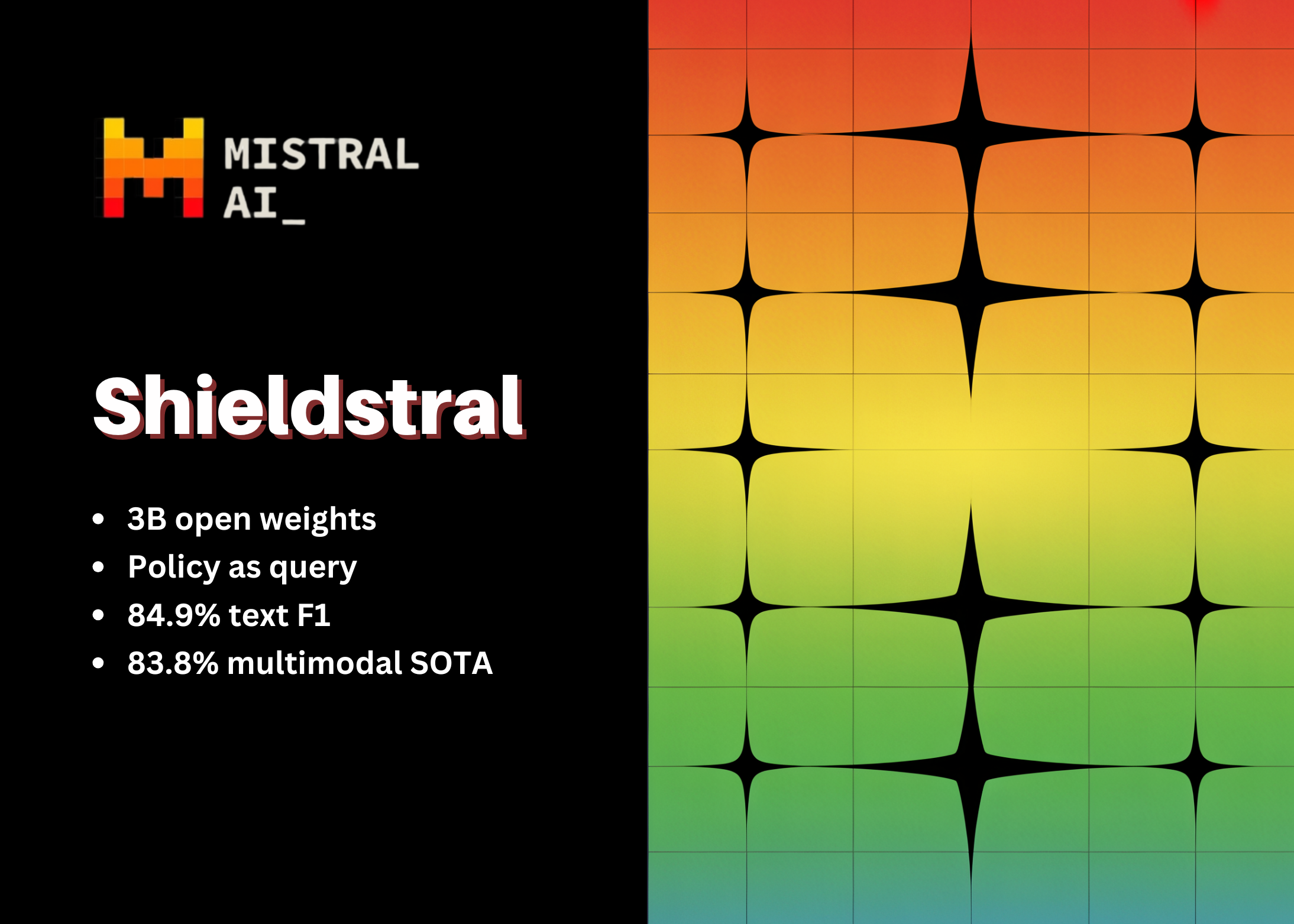
Mistral AI Releases Shieldstral 1.0 3B: An Open-Weights Policy-Adaptive Multimodal Safety Classifier Matching Models 7× Its Size
Mistral AI has released Shieldstral 1.0 3B, an open-weights, policy-adaptive multimodal safety classifier that treats content moderation as a single yes/no question rather than a fixed taxonomy of harm categories. Most guardrail models bake their category list into the weights, so re-targeting one to a new deployment context means retraining — and the same content can be acceptable on a cybersecurity research tool while being harmful on a mental-health platform. Shieldstral inverts that: operat