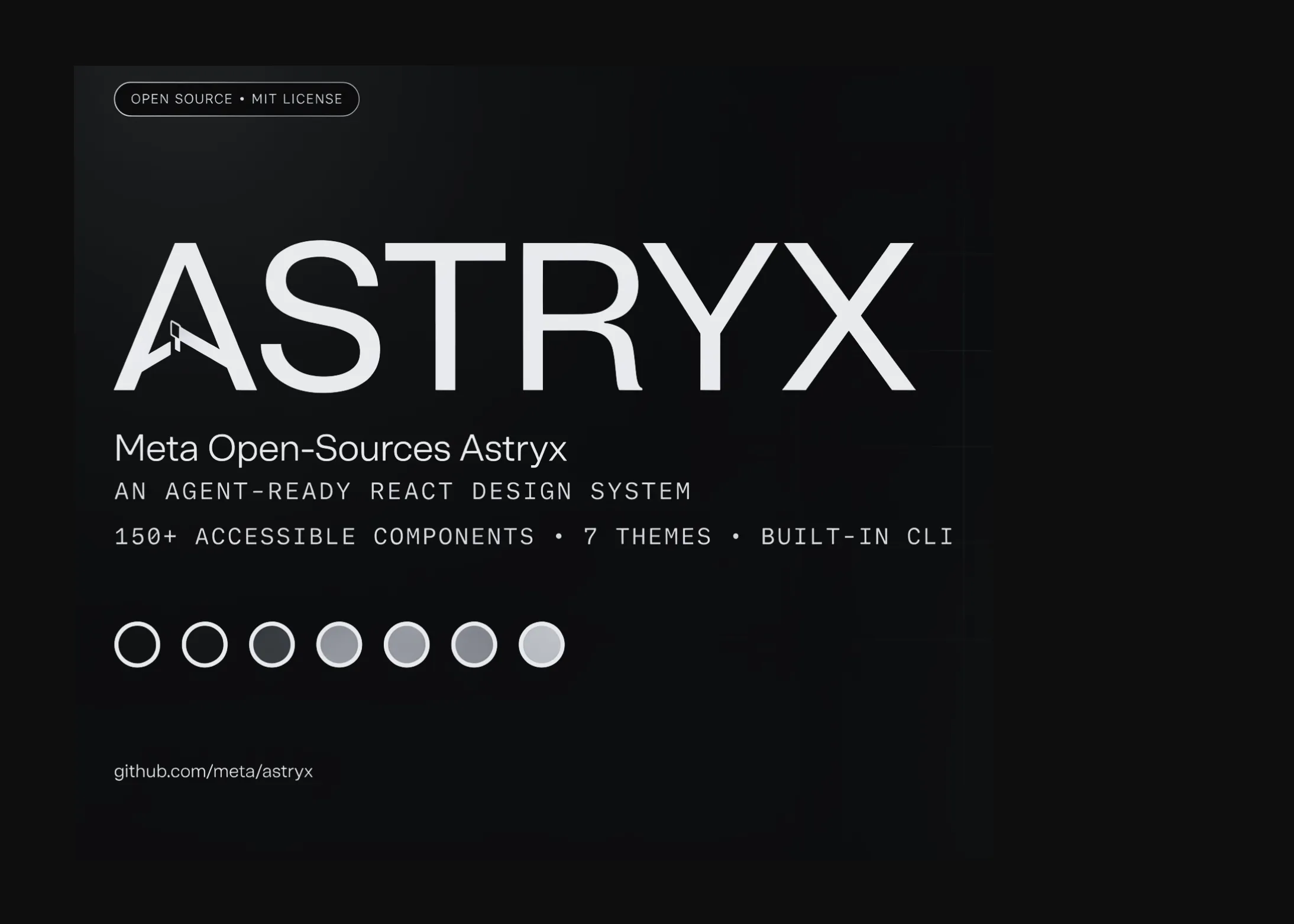
Meta Open-Sources Astryx: An Agent-Ready React Design System With 150+ Accessible Components, Seven Themes, and a CLI
Meta has released Astryx, an open source design system that is fully customizable and built to be operated by both people and the AI agents working alongside them. It is available now in Beta. Astryx is not a new experiment. It grew inside Meta over the last eight years, where the company says it became its most-used and largest design system, shaped by the engineers, designers, and product teams who depend on it daily. The system ships 150+ accessible components (the docs site now lists 160
Get smart on it
Meta has released Astryx, an open-source design system built on React that contains over 150 pre-made accessible components, seven themes, and a command-line tool. The system separates behavior and accessibility controls from visual appearance through customizable tokens, allowing developers to maintain consistency while creating distinct designs without rewriting components. Astryx was developed over eight years within Meta and is now positioned as designed for both human developers and AI agents to use in the same way, with a consistent API, documentation, and command-line interface that makes it equally usable by both. The system requires React 19 or higher and integrates with various setup options including Next.js, Vite, and CDN deployment without requiring additional build configuration.
Related news
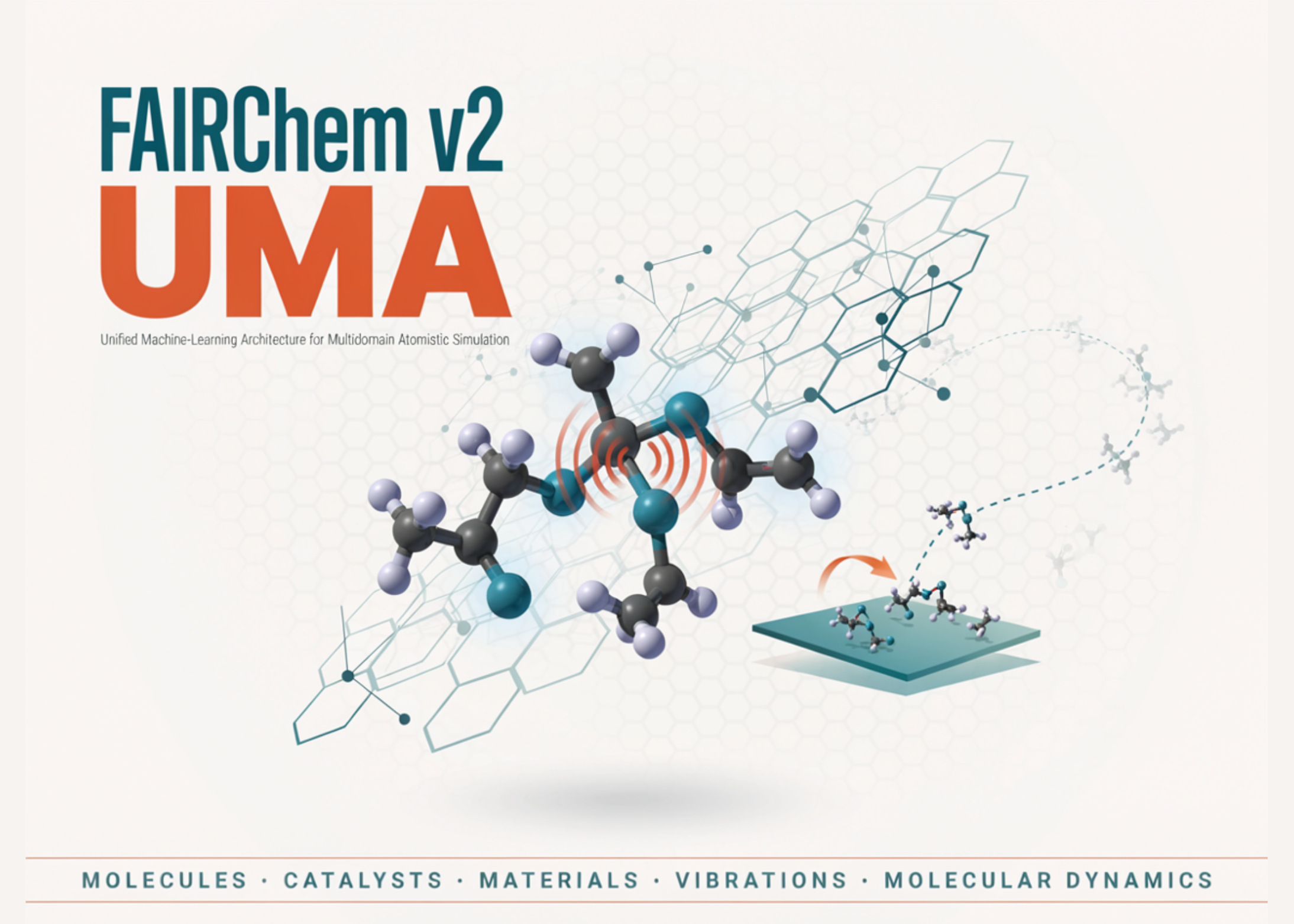
FAIRChem v2 UMA for Multidomain Atomistic Simulation across Molecules, Catalysts, Materials, Vibrations, and Molecular Dynamics
In this tutorial, we explore FAIRChem v2 and the UMA universal machine-learning interatomic potential as a unified framework for atomistic simulation across molecular chemistry, catalysis, and inorganic materials. We configure an environment, authenticate with Hugging Face to access the gated UMA model weights, and initialize task-specific calculators for the omol, oc20, and omat domains. We then apply the same pretrained potential to a broad set of computational chemistry workflows, including
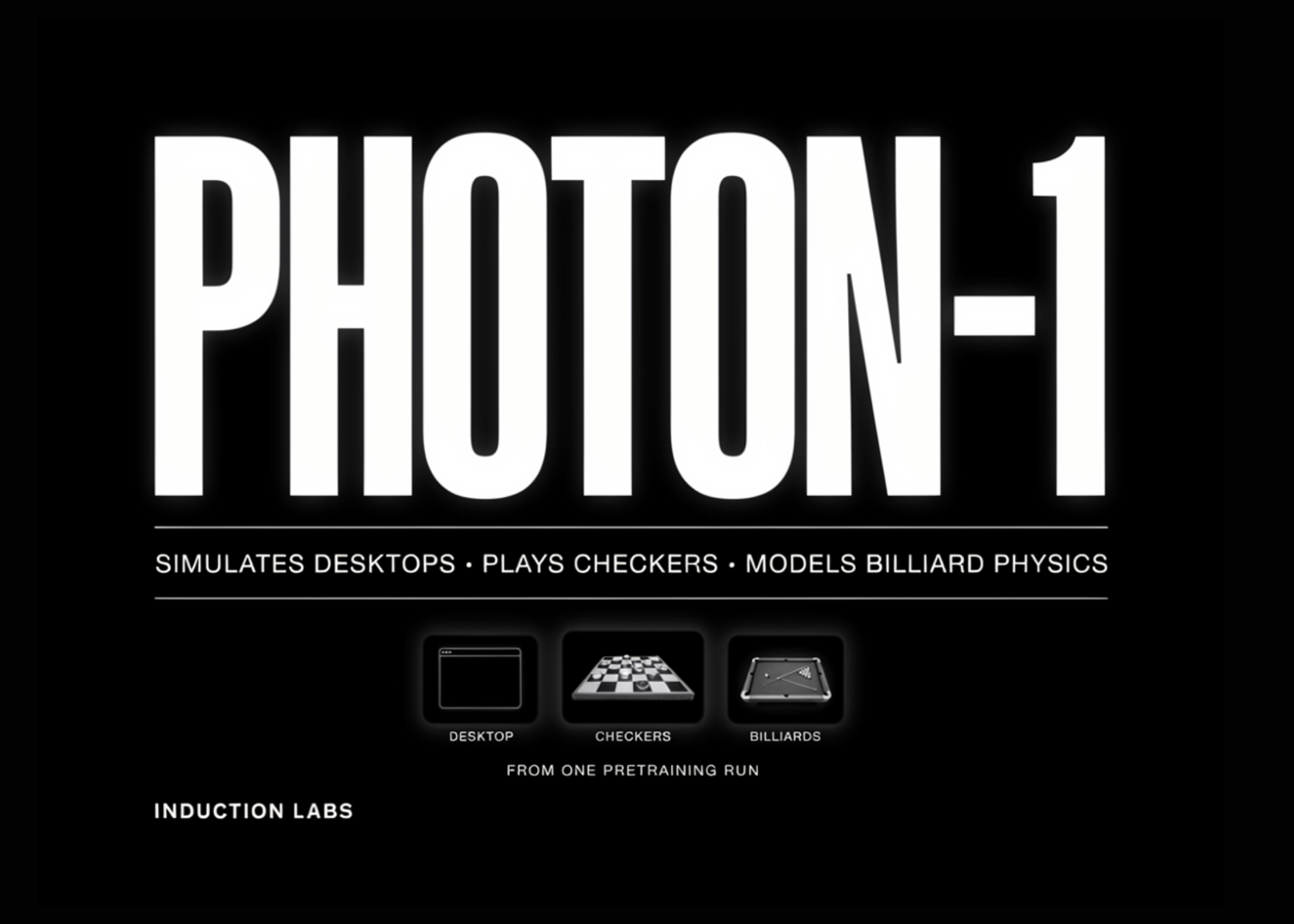
Induction Labs Photon-1 Simulates Desktops, Plays Checkers, and Models Billiard Physics From One Pretraining Run
Most agents that learn from video need to know what action produced each frame. Induction Labs is arguing that this requirement is the bottleneck. Last week, they released imagination models, a foundation model architecture that pretrains on raw video with no action labels at all. Their test system is Photon-1, a sparse 106B-A5B mixture-of-experts (MoE) transformer trained on 18 years of computer demonstration video. On an internal computer use benchmark, Induction Labs reports that Photon-1