Introducing GPT-Live
A new generation of voice models for natural human-AI interaction, now powering ChatGPT Voice.
Get smart on it
A new voice model called GPT-Live enables more natural conversations with AI by using full-duplex architecture, which allows the system to listen and speak simultaneously while making interaction decisions many times per second. Unlike previous voice systems that processed conversation in separate steps or discrete turns, GPT-Live maintains continuous conversation flow, can acknowledge what users say with natural phrases, and delegates complex tasks like web search to backend models while keeping the conversation going. The system is being rolled out to ChatGPT users globally in two versions, GPT-Live-1 and GPT-Live-1 mini, and shows improvements in human evaluations measuring conversational flow, turn-taking, and naturalness compared to earlier voice modes. This advancement represents a shift toward more fluid human-AI interaction where reasoning and complex work happen in the background while maintaining responsive dialogue.
Related news

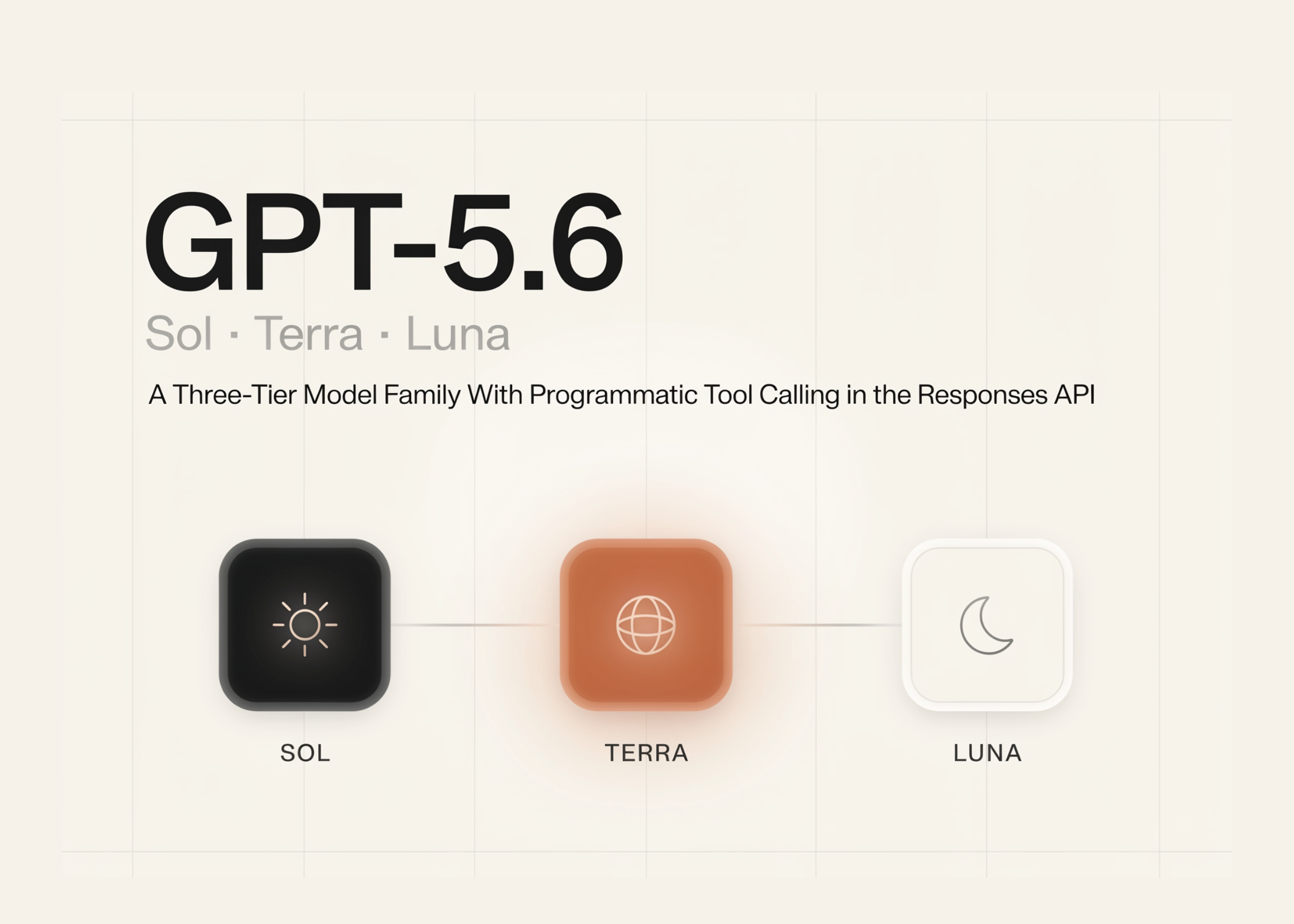
OpenAI says GPT 5.6 is the ‘preferred model’ for Microsoft Copilot 365 amid breakup chatter
OpenAI's new family of models will continue to power Microsoft's suite of workplace and productivity apps.
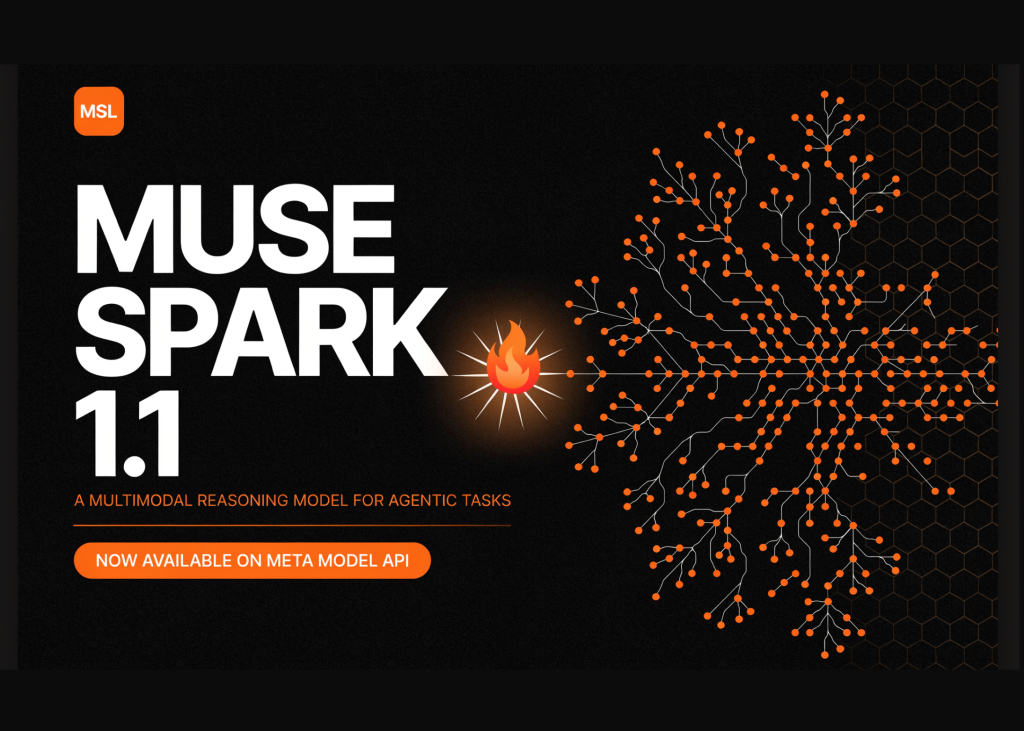
Meta Superintelligence Labs Releases Muse Spark 1.1: A Multimodal Reasoning Model for Agentic Tasks on Meta Model API
Today, Meta Superintelligence Labs released Muse Spark 1.1. Alongside it, Meta opened a public preview of the Meta Model API. That second part is the structural change. Meta’s models previously reached developers mainly as open weights. Muse Spark 1.1 is closed, hosted, and metered per token. So the question is narrow. Where does it belong in a stack you already run? What is Muse Spark 1.1? Meta describes it as a multimodal reasoning model built for agentic tasks. Reported gains ove