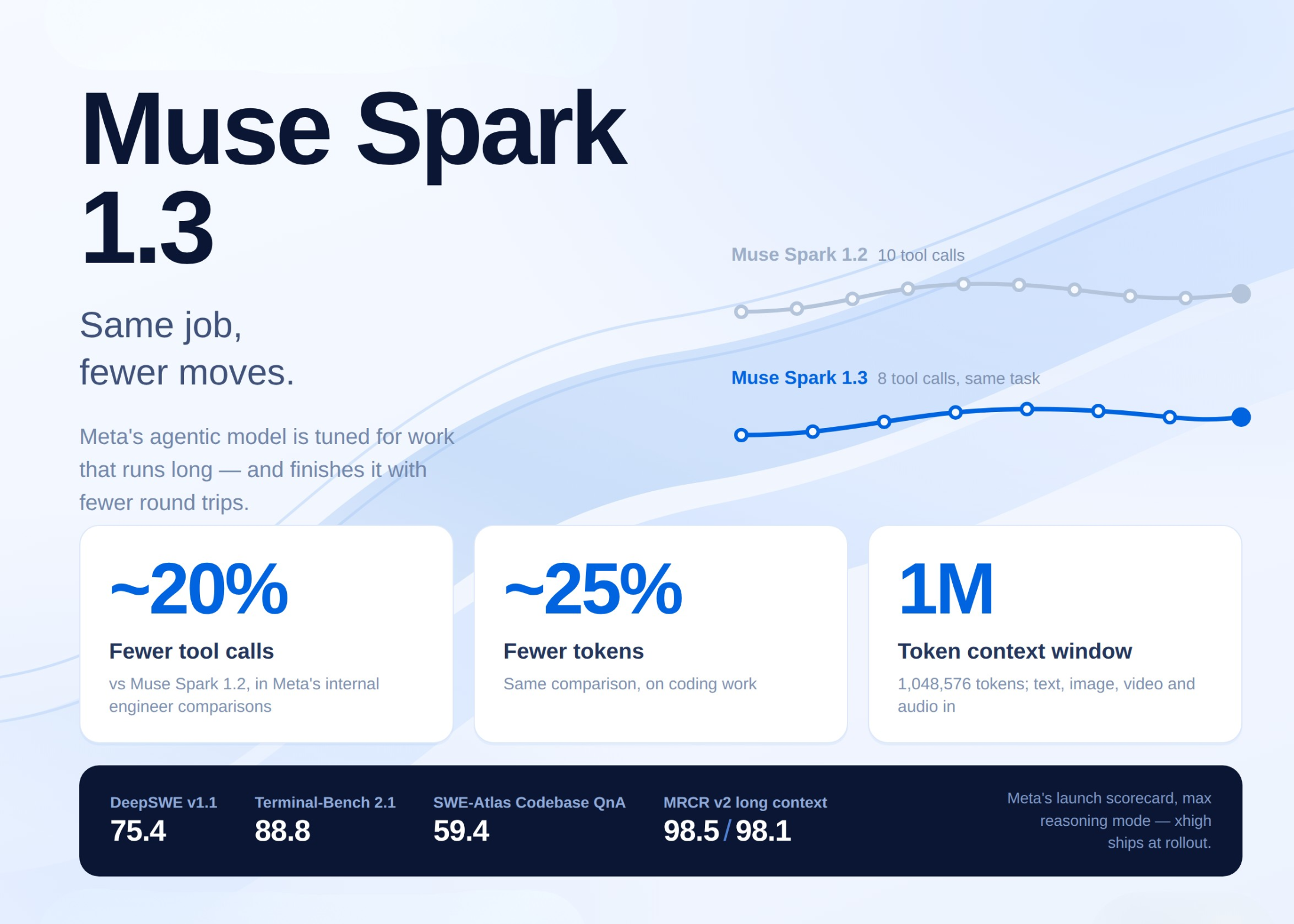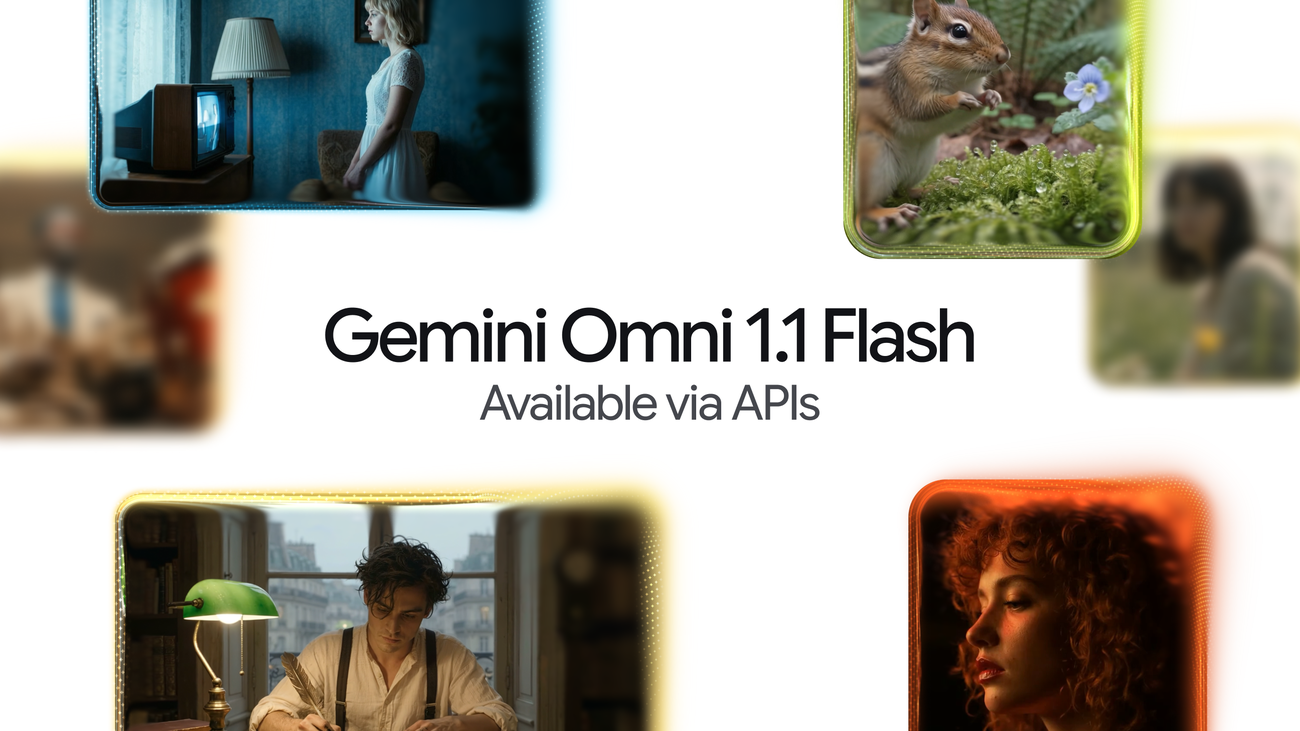
Gemini Omni 1.1 Flash lets you build with more control
The update addresses developer complaints about customization limits, making Google's lightweight model more competitive for specialized applications.
Get smart on it
Gemini Omni 1.1 Flash is a production-ready update for developers that provides improved control over AI-generated video. The update enables developers to extend video scenes up to 40 seconds with better visual consistency, set specific start and end frames for smooth transitions, create low-resolution previews for faster iteration, and upscale final projects to 4K resolution. This matters because it makes generative video more practical for professional use in creative workflows, editing software, and media production. The model analyzes up to 10 seconds of prior context when extending scenes, which represents an improvement in maintaining narrative continuity compared to previous versions.
Related news
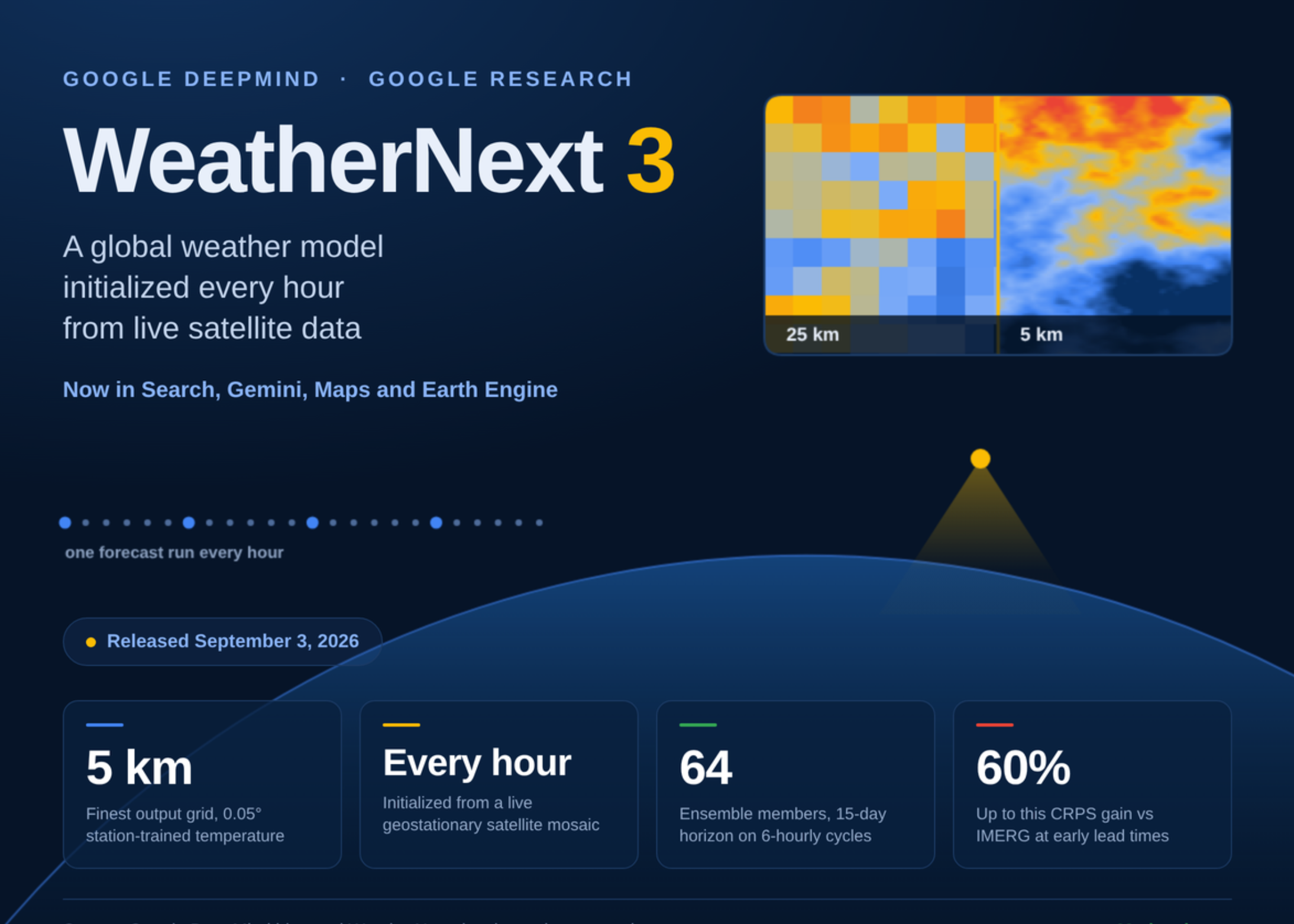
Google DeepMind’s WeatherNext 3 Trains on Weather Station Observations to Deliver 5 km Global Forecasts, Refreshed Every Hour
AI weather models have spent three years closing the gap with physics-based forecasting, but two problems stayed open: resolution too coarse for local terrain, and initialization tied to numerical weather prediction (NWP) analysis that arrives about six hours late. WeatherNext 3, released by Google DeepMind and Google Research, attacks both. It takes a live global geostationary satellite mosaic as a direct model input, re-initializes every hour, and emits forecasts down to 0.05° (~5 km) while t
OpenAI Releases GPT-6 Astra: A 1.05M-Context Computer-Use Model Gated Behind a ‘Critical’ Cyber Threshold
Today, OpenAI released GPT-6 Astra. The company calls it its most intelligent and aligned model, and positions it primarily as a computer-use system rather than a chat model. The pitch is that Astra operates software the way a person does, across browsers, spreadsheets, desktop applications and terminals, and finishes multi-step jobs instead of describing how to do them. Is it deployable? Partly, and not on your own hardware. Astra is a closed, hosted model with no released weights, so self