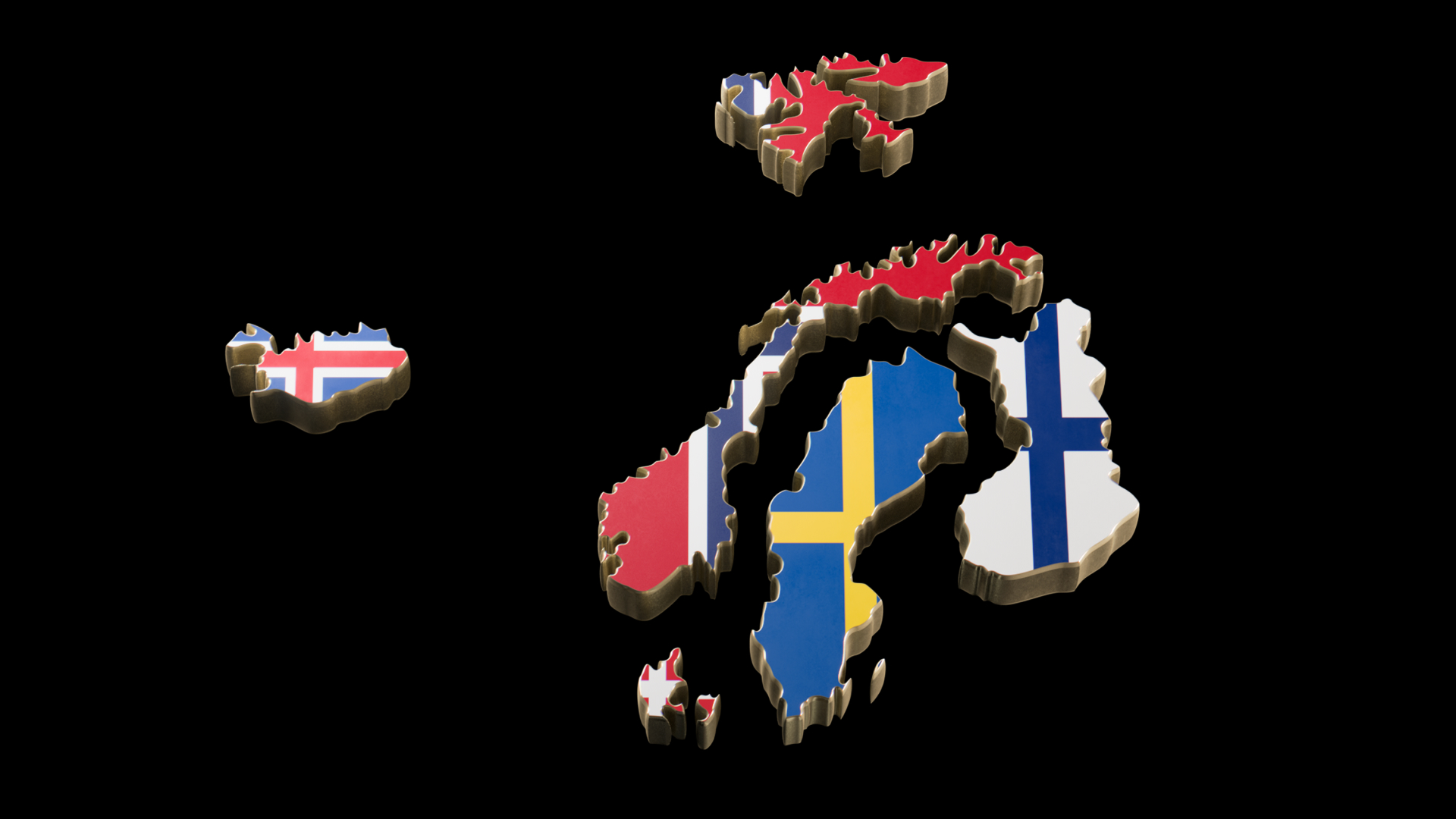
Nordic countries build major European AI hub
NVIDIA Blog: The Nordics and NVIDIA Show What’s Possible When a Region Commits to Advanced Computing
The Nordic countries have become the European leader in unicorn startup density, producing the most emerging companies valued at $1 billion or more per capita on the continent. Now, a new chapter for the region is unfolding as countries race to build one of Europe’s most consequential technology ecosystems. The many computing advancements already underway in the Nordics, combined with the opportunity that lies ahead, signal a region moving from ambition to application. Nordics Emerge as Infrast
Get smart on it
The Nordic countries are developing into a major European technology hub by combining abundant renewable energy, strong data governance, and academic-industry collaboration to build advanced computing infrastructure. Multiple cloud providers are expanding AI capacity across the region, while established companies and startups are building AI applications using NVIDIA technology in areas ranging from music recommendation and robot simulation to autonomous vehicles and quantum computing. This development matters because it demonstrates how regional commitment to advanced computing infrastructure and open AI models can create an ecosystem where both large enterprises and emerging companies scale technological capabilities. The Nordics' existing strength in startup creation, combined with new supercomputing resources and AI development platforms, positions the region as a consequential player in European technology development.
Relevant courses
Want to go deeper than the news? Explore live, cohort-based AI courses taught by practitioners.
Browse AI courses on MavenRelated news

Nvidia's Jensen Huang pledges $2 billion for Europe, $250 million in compute for UK safety labs
Nvidia CEO Jensen Huang announced $2 billion in European investments and new stakes in French startups like Doctolib and Entalpic. The UK gets $250 million in compute for AI agent safety and security research. Huang pitched open-weight models as Europe's way to close the AI gap. The article Nvidia's Jensen Huang pledges $2 billion for Europe, $250 million in compute for UK safety labs appeared first on The Decoder.
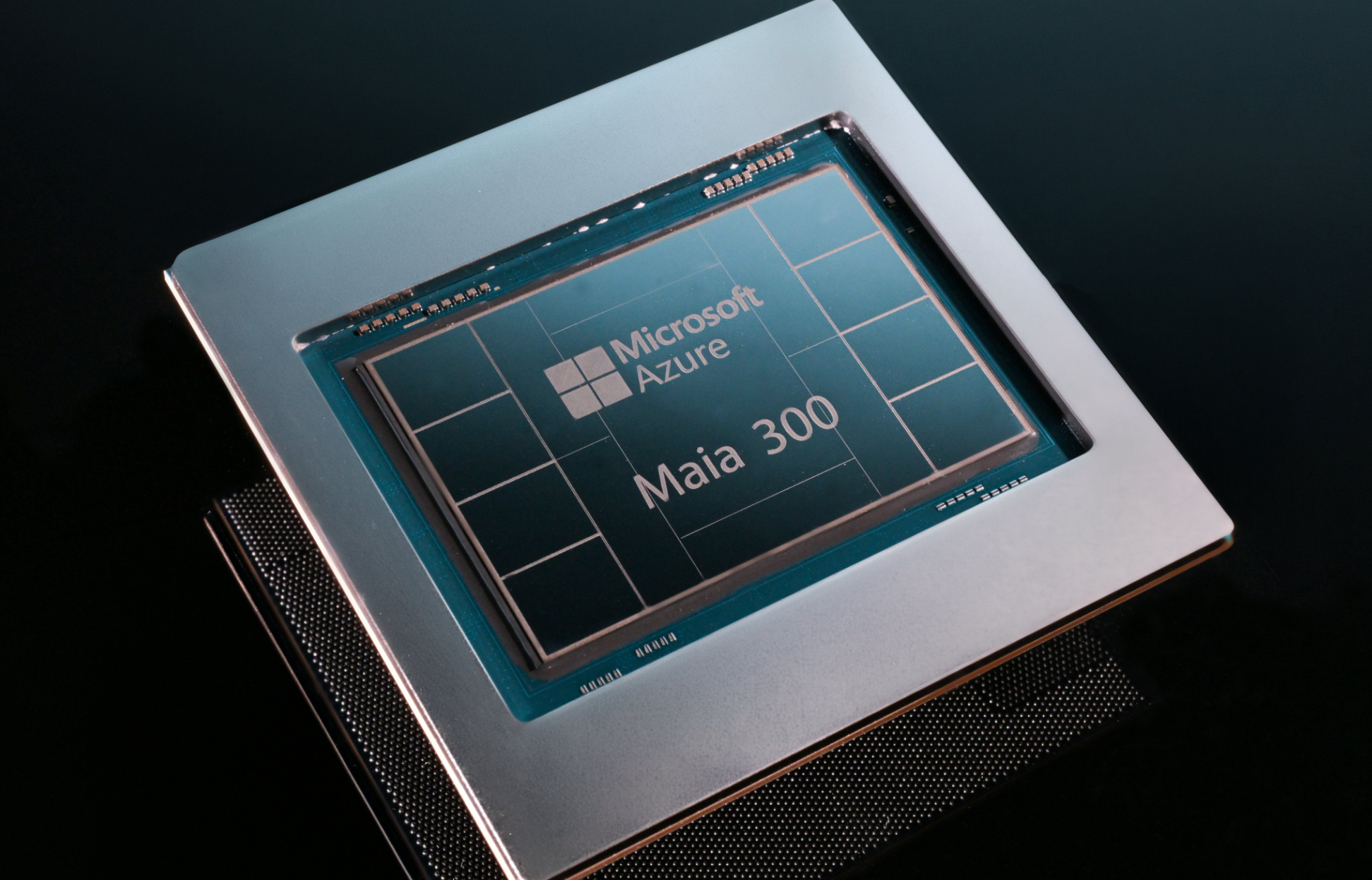
Microsoft plans to scale its own Maia AI chips to gigawatt levels by 2027
Microsoft will make its in-house Azure Maia chips the main AI inference system across its products starting in 2027, deploying them at multi-gigawatt scale. The upcoming Maia 300 should deliver 40 percent more tokens per megawatt than leading GPU systems. CEO Satya Nadella calls it "our biggest bet yet on our own silicon." The article Microsoft plans to scale its own Maia AI chips to gigawatt levels by 2027 appeared first on The Decoder.
Also reported by Data Center Knowledge

Ricursive Intelligence is betting on AI-designed chips to help solve the compute crisis
The founders detailed how their startup is developing AI that can design chips, learn from each iteration, and improve subsequent designs, all with the goal of automating and accelerating the chip design process.

AI Data Center Land Buying Hits $6B as Power Premiums Rise
US data center land spending hit roughly $6 billion in the first half of 2026, as power access now drives land value and pricing more than location alone.

Why AI Data Center Cooling Needs to Get Smarter
AI is pushing data center cooling to its limits, so the real advantage comes from integrating smart sensing, motor control, and power management into a single responsive, failure-anticipating system.

ScaleFlux bets smarter SSD controllers can break the AI memory bottleneck
AI factories run on graphics processing units that cost a fortune and work at blistering speed, yet those chips increasingly sit idle waiting for data. As the bottleneck moves from compute to memory and storage, NAND flash is being asked to do far more than hold files. That shift is putting data movement constraints at […] The post ScaleFlux bets smarter SSD controllers can break the AI memory bottleneck appeared first on SiliconANGLE.