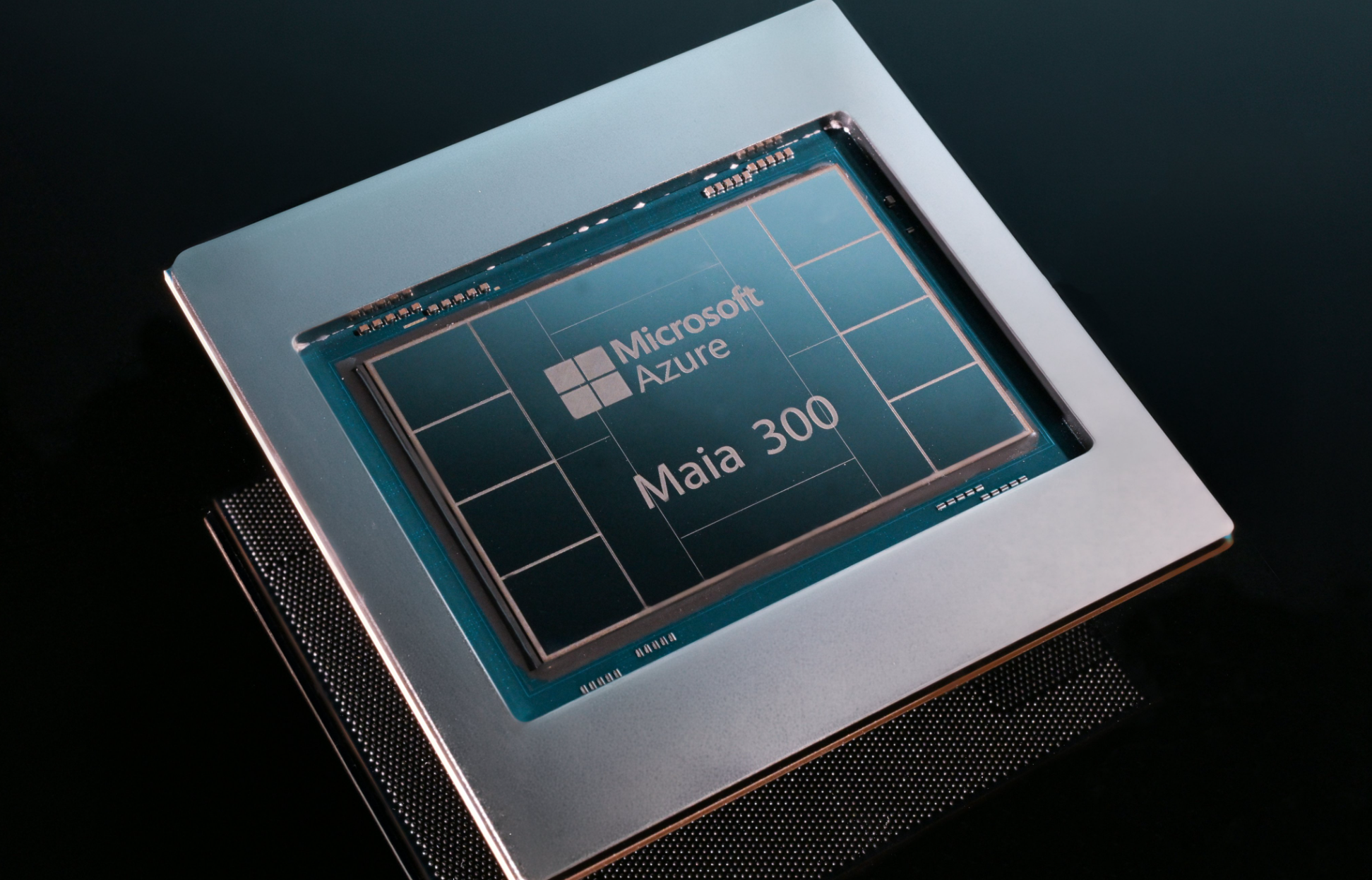
Microsoft scales custom Maia AI chips to gigawatt levels by 2027
The Decoder: Microsoft plans to scale its own Maia AI chips to gigawatt levels by 2027
Microsoft will make its in-house Azure Maia chips the main AI inference system across its products starting in 2027, deploying them at multi-gigawatt scale. The upcoming Maia 300 should deliver 40 percent more tokens per megawatt than leading GPU systems. CEO Satya Nadella calls it "our biggest bet yet on our own silicon." The article Microsoft plans to scale its own Maia AI chips to gigawatt levels by 2027 appeared first on The Decoder.
Microsoft is deploying its in-house Azure Maia AI chips at multi-gigawatt scale starting in 2027, with the current Maia 200 model already powering Copilot across multiple regions. The upcoming Maia 300, shipping in 2027, is designed to deliver 40 percent more tokens per megawatt than leading GPU systems. Unlike competitors Amazon Web Services and Google Cloud, Microsoft is using Maia chips primarily for its own internal operations rather than offering them to customers.
- The Decoder ↗: CEO Satya Nadella calls the move the company's biggest bet yet on owning its own silicon.
- Data Center Knowledge ↗: The strategy represents a shift in how hyperscalers compete, focusing on delivering faster and more reliable services at lower cost rather than on traditional chip competition.
Building proprietary chips allows Microsoft to optimize its AI systems for its specific products and reduce dependence on external suppliers. The move enables the company to improve efficiency and service quality while competing differently from other cloud providers.
Microsoft is developing its own AI chips called Maia to power its products instead of relying primarily on other manufacturers' processors. The company plans to deploy these chips at multi-gigawatt scale starting in 2027, with the current Maia 200 model already running Microsoft Copilot in multiple regions and the upgraded Maia 300 shipping in 2027 with significantly higher performance. This matters because building proprietary chips allows Microsoft to optimize its AI systems for its specific products and reduce dependence on external suppliers, representing what the CEO describes as the company's biggest bet on owning its own silicon.
One short email a day with the stories that matter. Free. Unsubscribe with one click.
Want to go deeper than the news? Explore live, cohort-based AI courses taught by practitioners.
Browse AI courses on Maven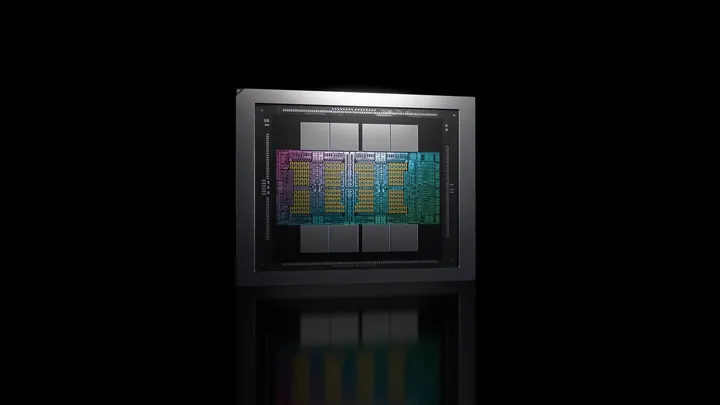
NVIDIA Announces Rubin HPC, A New GPU to Accelerate Agents for Science, Engineering and Analytics
Announced today at SC26, NVIDIA Rubin HPC is a new GPU in the NVIDIA Vera Rubin platform designed to accelerate simulation and data processing for science, engineering and analytics workflows. As agents help scientists and engineers explore more candidate materials, molecules and designs, they rely on simulations to test those ideas and guide their next steps. Rubin HPC will accelerate those simulations, shortening the path from exploration to scientific discovery and industrial design. The Rub
Also reported by SiliconANGLE

Nvidia promises that revenue will keep soaring, for now
Despite the turmoil Nvidia is in after the departure of its disgraced founder and CEO Jensen Huang, the company projected that its streak of record-breaking revenue isn't about to stop.

Nvidia at SC26: Agents are the new scientists, and they need a lab
For most of its history, the high-performance computing market measured progress the same way: how fast a machine could solve a fixed problem. Rankings rose, a new system took the top spot, and the cycle started over. Raw performance remains the foundation of scientific computing, and Nvidia Corp. brought plenty of it to SC26. But […] The post Nvidia at SC26: Agents are the new scientists, and they need a lab appeared first on SiliconANGLE.
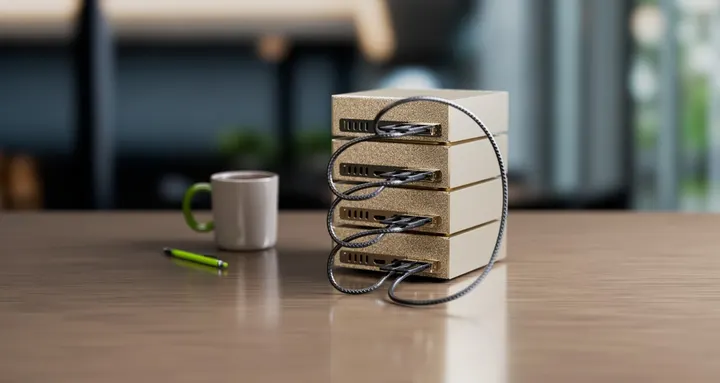
NVIDIA DGX Spark Developer Kit Turns a Desk Into a Supercomputing Lab
At SC26, an annual supercomputing conference taking place this week in Chicago, NVIDIA is introducing the DGX Spark HPC Developer Kit for researchers, academics and developers. The kit is a four-node cluster of NVIDIA DGX Spark systems, each connected directly to its two neighbors in a ring, with an NVIDIA HPC SDK installation playbook coming soon. Researchers get a place at their desk to run multi-node scientific workloads, AI models and agents, instead of waiting for time on a shared GPU clust

US data centers now burn more electricity than a midsized country
Fossil fuels are still the biggest source of electricity for hyperscale data centers in the US, a new paper published in the journal Nature Sustainability shows. They likely burn through more electricity collectively than many countries do, resulting in a serious amount of greenhouse gas emissions. The study homes in on hyperscale facilities - the massive structures spanning millions of square feet that developers are racing to build in large part to support generative AI. Rese
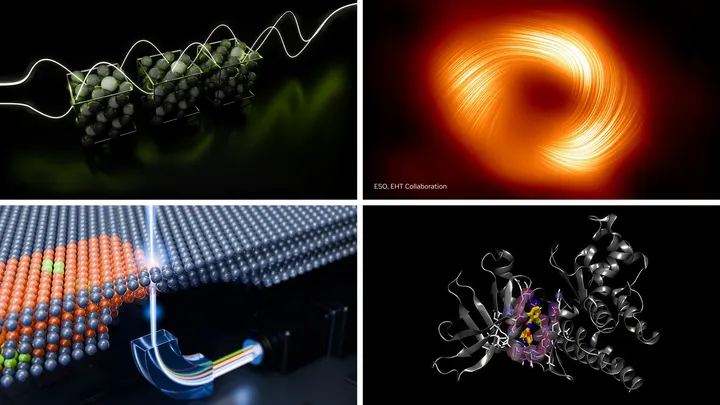
NVIDIA CUDA-X Libraries Give Agents the Tools to Accelerate Scientific Discovery
With expanded NVIDIA CUDA-X libraries, including cuPhoton, cuPotential and cuSpa, researchers can sift through vast amounts of data to accelerate research, from astrophysics and materials science to single-cell biology. The speedups are helping scientists analyze larger datasets and model more complex systems. The new libraries give AI agents the tools to help researchers make discoveries faster than ever. Read All NVIDIA Announcements From SC26 Bringing Black Holes Into Focus Seei