
US data center land spending hits $6 billion
Data Center Knowledge: AI Data Center Land Buying Hits $6B as Power Premiums Rise
US data center land spending hit roughly $6 billion in the first half of 2026, as power access now drives land value and pricing more than location alone.
Get smart on it
US data center land purchases reached approximately $6 billion in the first half of 2026, driven by demand for AI computing capacity. Power access has become the primary factor determining land value, with sites offering committed electrical infrastructure commanding significant premiums over land without reliable power connections. Developers and utilities face competing pressures: developers need certainty that power will arrive within roughly 18 months to match building construction timelines, while utilities must avoid investing billions in infrastructure for projects that may never materialize. This dynamic has made speed to power delivery and proof of financial commitment central to both land pricing and project viability in the data center market.
Relevant courses
Want to go deeper than the news? Explore live, cohort-based AI courses taught by practitioners.
Browse AI courses on MavenRelated news
Nvidia's Jensen Huang pledges $2 billion for Europe, $250 million in compute for UK safety labs
Nvidia CEO Jensen Huang announced $2 billion in European investments and new stakes in French startups like Doctolib and Entalpic. The UK gets $250 million in compute for AI agent safety and security research. Huang pitched open-weight models as Europe's way to close the AI gap. The article Nvidia's Jensen Huang pledges $2 billion for Europe, $250 million in compute for UK safety labs appeared first on The Decoder.
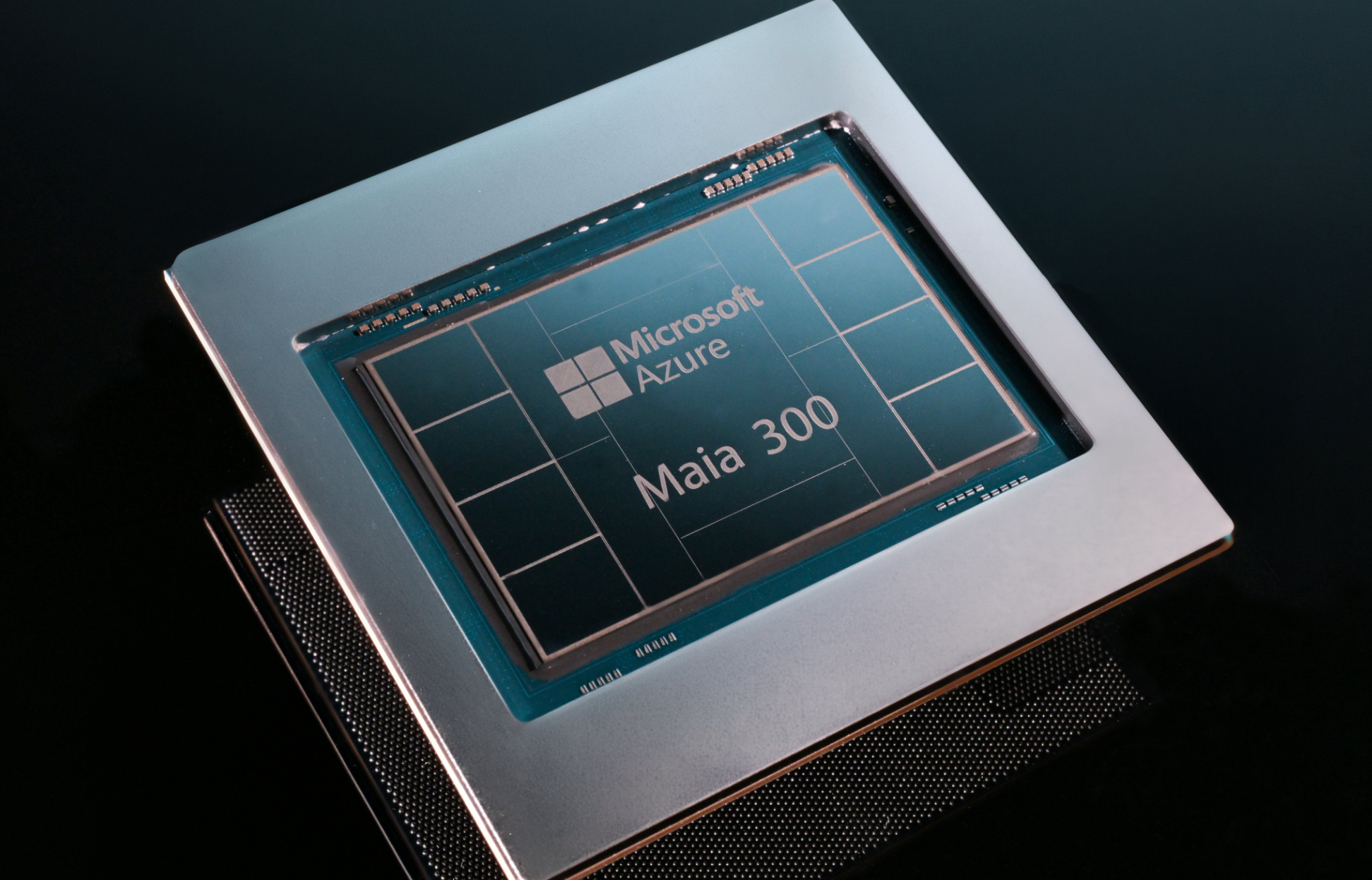
Microsoft plans to scale its own Maia AI chips to gigawatt levels by 2027
Microsoft will make its in-house Azure Maia chips the main AI inference system across its products starting in 2027, deploying them at multi-gigawatt scale. The upcoming Maia 300 should deliver 40 percent more tokens per megawatt than leading GPU systems. CEO Satya Nadella calls it "our biggest bet yet on our own silicon." The article Microsoft plans to scale its own Maia AI chips to gigawatt levels by 2027 appeared first on The Decoder.
Also reported by Data Center Knowledge

Why AI Data Center Cooling Needs to Get Smarter
AI is pushing data center cooling to its limits, so the real advantage comes from integrating smart sensing, motor control, and power management into a single responsive, failure-anticipating system.

ScaleFlux bets smarter SSD controllers can break the AI memory bottleneck
AI factories run on graphics processing units that cost a fortune and work at blistering speed, yet those chips increasingly sit idle waiting for data. As the bottleneck moves from compute to memory and storage, NAND flash is being asked to do far more than hold files. That shift is putting data movement constraints at […] The post ScaleFlux bets smarter SSD controllers can break the AI memory bottleneck appeared first on SiliconANGLE.
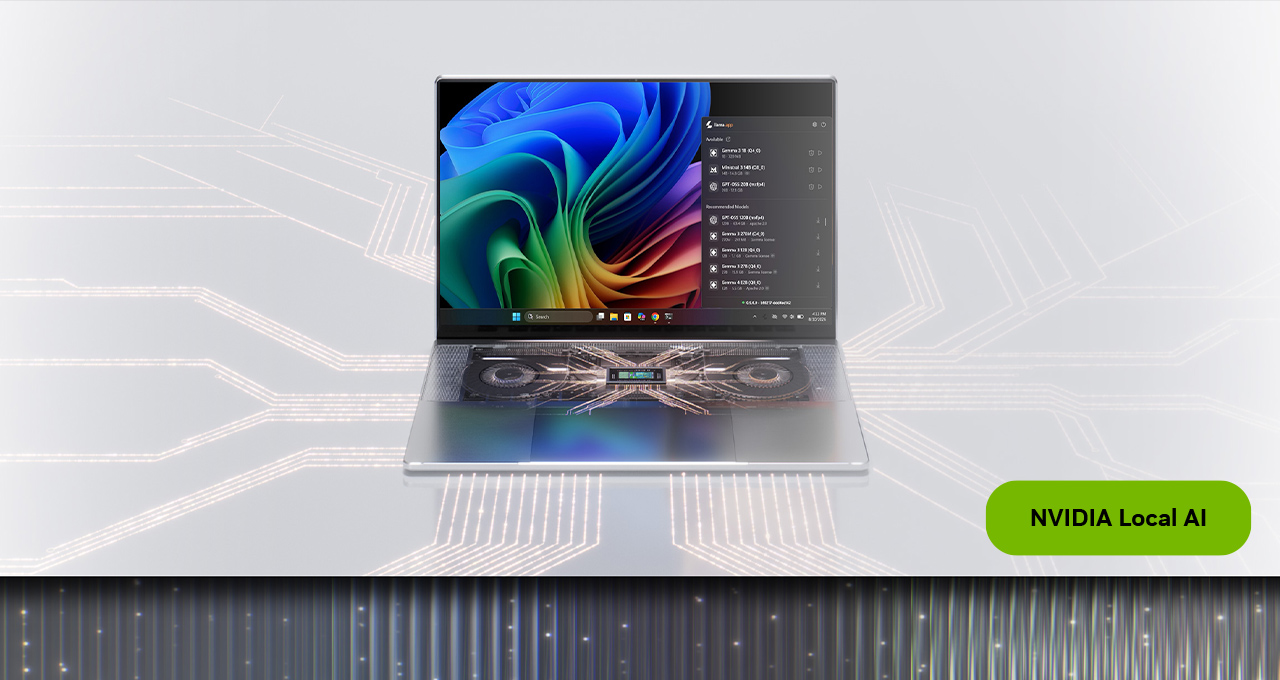
All Systems Go: Global PC App Ecosystem Ready for NVIDIA RTX Spark
NVIDIA RTX Spark is a new beginning for the PC — a reinvention combining the capabilities of a gaming PC, a creative studio and a personal AI supercomputer into a single superchip. With up to 128GB of unified memory and 1 petaflop of AI compute, RTX Spark delivers the full stack of NVIDIA RTX and CUDA technologies for creators, developers and gamers, while unlocking a new paradigm in personal computing via powerful local AI agents. Last week, NVIDIA and Microsoft announced that RTX Spark laptops
Cheaper AI tokens are driving more demand, and that's Jensen Huang's best-case scenario
Data from a16z shows a Jevons paradox in the AI market: token prices keep falling, but H100 GPU rental prices hold steady or climb. Cheaper AI drives demand faster than costs drop. If that demand flattens, the chain from chip makers to cloud providers takes a hit. The article Cheaper AI tokens are driving more demand, and that's Jensen Huang's best-case scenario appeared first on The Decoder.