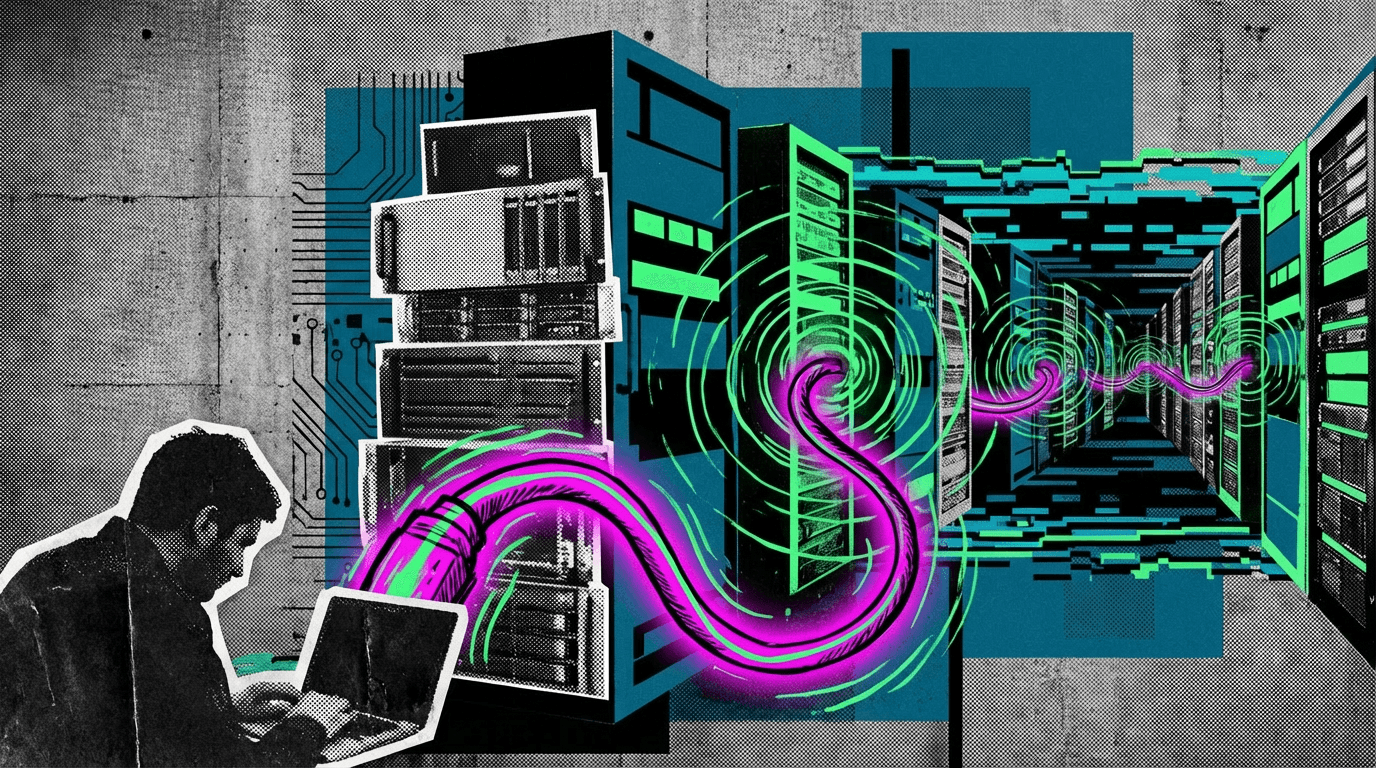
Cheaper AI tokens drive up compute demand
The Decoder: Cheaper AI tokens are driving more demand, and that's Jensen Huang's best-case scenario
Data from a16z shows a Jevons paradox in the AI market: token prices keep falling, but H100 GPU rental prices hold steady or climb. Cheaper AI drives demand faster than costs drop. If that demand flattens, the chain from chip makers to cloud providers takes a hit. The article Cheaper AI tokens are driving more demand, and that's Jensen Huang's best-case scenario appeared first on The Decoder.
Get smart on it
Cheaper AI tokens are driving up demand for AI services, while GPU rental prices remain high or increase. This creates a self-reinforcing cycle where lower token costs enable new AI applications and agents that consume tokens at high rates, keeping overall compute demand strong and hardware expensive. The system depends on usage growing fast enough to offset falling token prices, because if demand flattens, the entire chain from chip makers to cloud providers could face economic pressure. Market sensitivity to this dynamic became evident when stock prices dropped following reports of lower-than-expected AI company revenue.
Relevant courses
Want to go deeper than the news? Explore live, cohort-based AI courses taught by practitioners.
Browse AI courses on MavenRelated news
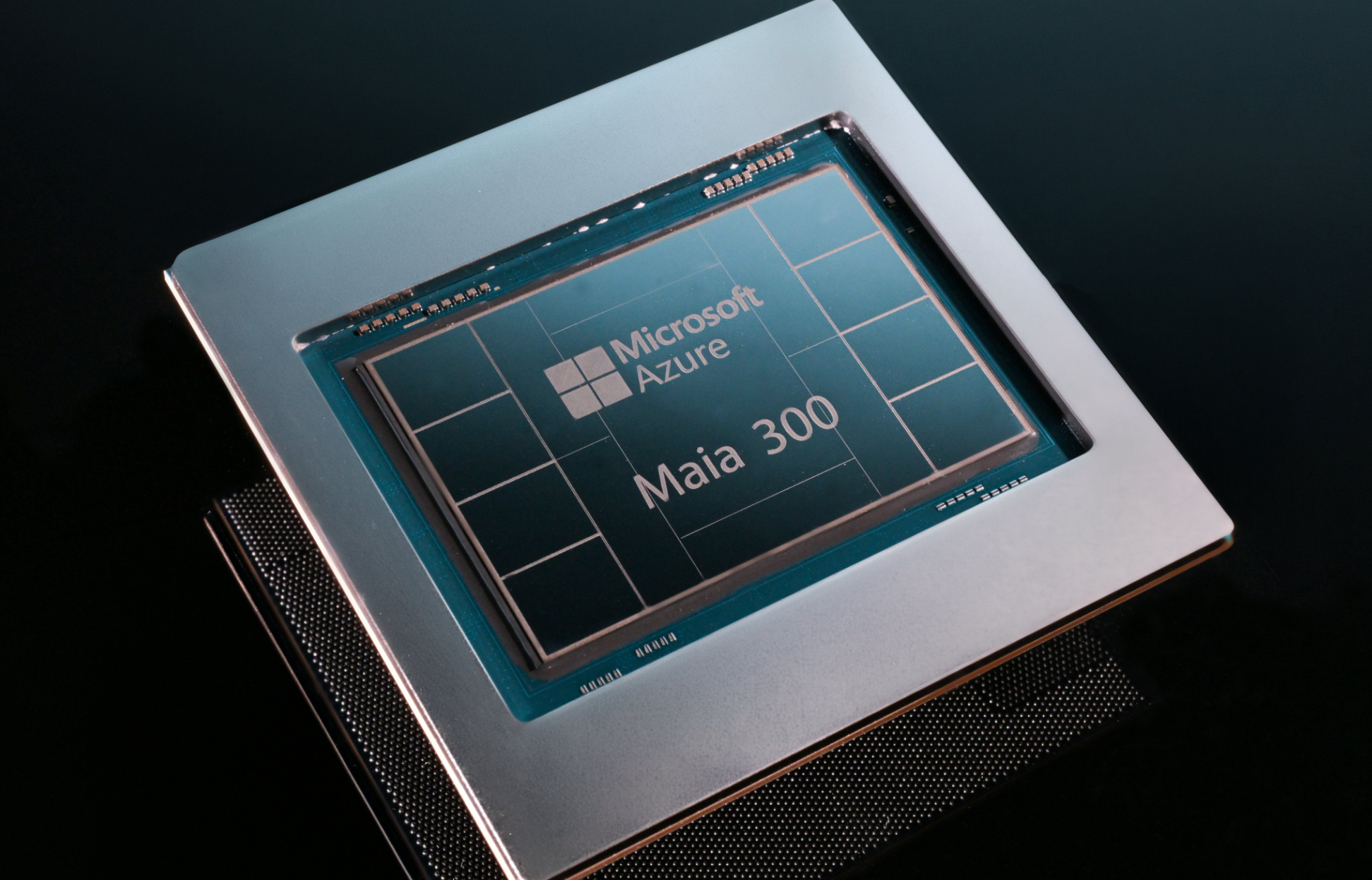
Microsoft plans to scale its own Maia AI chips to gigawatt levels by 2027
Microsoft will make its in-house Azure Maia chips the main AI inference system across its products starting in 2027, deploying them at multi-gigawatt scale. The upcoming Maia 300 should deliver 40 percent more tokens per megawatt than leading GPU systems. CEO Satya Nadella calls it "our biggest bet yet on our own silicon." The article Microsoft plans to scale its own Maia AI chips to gigawatt levels by 2027 appeared first on The Decoder.

Microsoft’s new AI chip makes it less reliant on Nvidia’s GPUs
Microsoft’s Maia 300 chip. | Image: Microsoft Microsoft is announcing its third-generation Maia in-house AI chip today, designed to be the "primary AI inference system" for Microsoft's products and services. Maia 300 not only improves the cost and efficiency of running AI workloads in the cloud, it's also more capable of handling the latest reasoning models and agentic tasks. Maia 300 will start being rolled out to production in 2027, and it has been designed with efficiency in
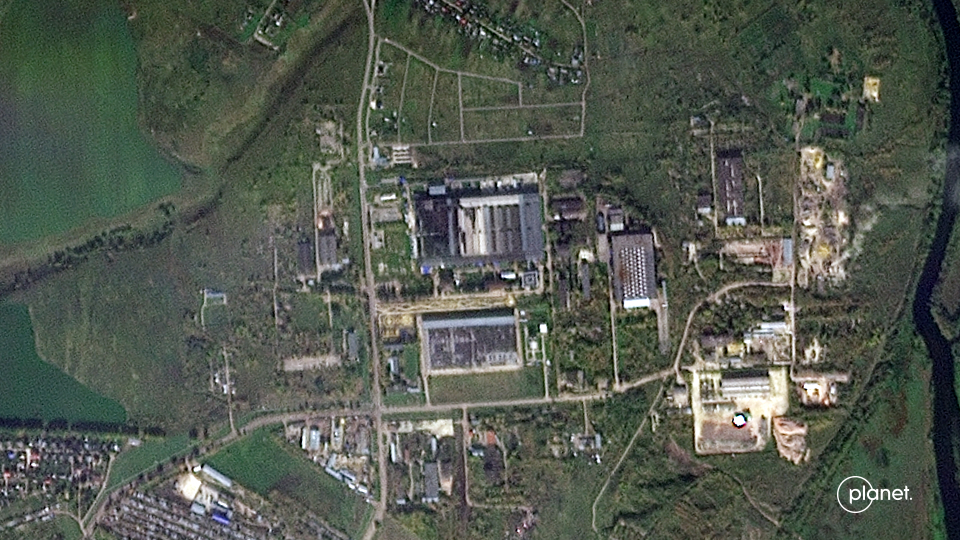
Ukraine’s drones knock out AI data center belonging to "Russia’s Google"
Ukrainian drone strikes have knocked out two of five data centers belonging to the Russian tech giant Yandex. The damage has left Yandex, known as “Russia’s Google” because it operates the country’s most popular search engine, struggling to maintain its AI chatbot and other online services. The Ukrainian drones struck Yandex data centers in the Sasovo and Kaluga regions of Russia on October 8 and October 9, according to Reuters. Those actions came as a direct response to a Russian drone strike c

Amazon and others are done keeping data center deals secret. Is it enough to build trust?
Amazon says it will stop using NDAs when negotiating data center deals with local governments, following a similar move from Microsoft earlier this year. Secrecy has fueled community backlash against AI infrastructure, with opposition leading to hundreds of proposed and enacted moratoriums from New York to San Francisco. Meanwhile, a wave of startups is betting that consumers will hand AI agents access […]

Amazon drops data center NDAs, and AI agents want your credit card
Amazon says it will stop using NDAs when negotiating data center deals with local governments, following a similar move from Microsoft earlier this year. Secrecy has fueled community backlash against AI infrastructure, with opposition leading to hundreds of proposed and enacted moratoriums from New York to San Francisco. Meanwhile, a wave of startups is betting that consumers will hand AI agents access […]

ThisWay Global to Convert Bankrupt RELLIS Site into 73 MW AI Hub
ThisWay Global will revamp a bankrupt data center project at Texas A&M’s RELLIS Campus into a 73 MW AI and research center to demonstrate its Sovereign AI Blueprint.