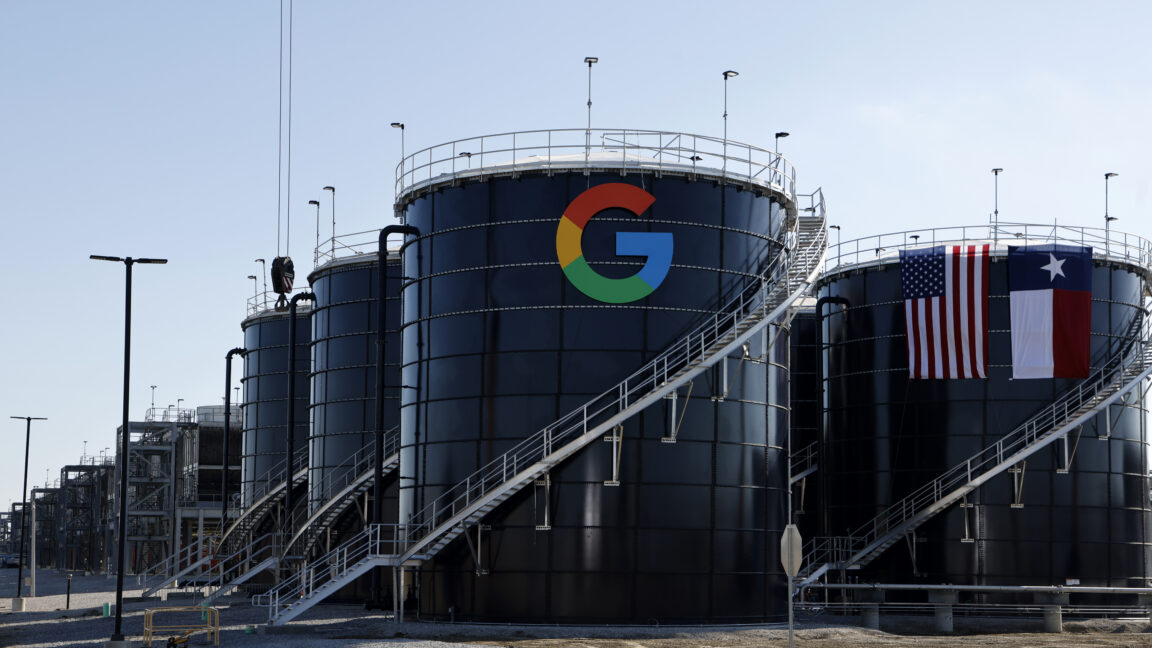
Texas Tests New Rules for AI Campuses Behind Existing Power Plants
PUCT staff backs ERCOT’s proposed operating conditions in an early test of Texas’ new framework for colocated data centers.
Make your prediction
Will ERCOT publish updated colocation operating conditions for AI data centers by July 31, 2026?
Resolves by Jul 31, 2026
Your prediction
50% · 50/50 coin flip
NOYES
Get smart on it
Texas regulators are deciding whether AI data centers built behind existing wind farms must shut down completely during grid emergencies so the wind farm's power can be returned to the electric grid. The question arises because a new framework allows large electrical loads to colocate with existing generators using shared interconnection points, which speeds up development timelines but creates uncertainty about emergency reliability requirements. One company argues that if one data center at a site already must shut down during emergencies, a second one should not have to do the same, while regulators contend that all loads sharing a generator's interconnection point must remain capable of full shutdown to preserve grid access. The state's decision will set a precedent for how future AI campuses can be developed in Texas.
Related news

The Switch Is the Bottleneck: Why AI Infrastructure Has a Network Problem
AI workloads are outpacing network capabilities, leaving expensive chips idle. Mark Rushworth explains why the switch is the bottleneck and how to fix it.

Anthropic is discussing a new custom chip with Samsung
The news comes about a week after OpenAI announced its own custom AI chip in a partnership with Broadcom.