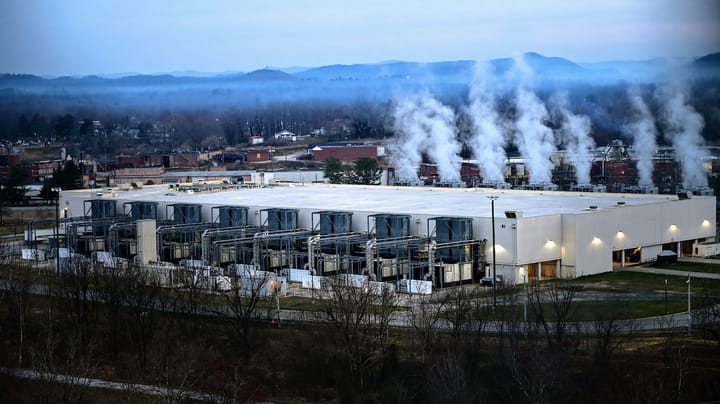
How Do Utilities Determine Which AI Data Centers Get Grid Access?
Planning documents from Georgia Power, Duke Energy, and Dominion Energy reveal how utilities filter AI demand, test scenarios, and plan investments.
Get smart on it
Utilities must decide which artificial intelligence data center projects are substantial enough to justify billions of dollars in grid infrastructure investments. Rather than assuming all announced projects will materialize, utilities are using different strategies to filter demand: some apply risk-adjusted forecasting that runs simulations to account for delays and cancellations, others model multiple hypothetical scenarios to identify transmission needs across different futures, and still others categorize projects by contractual commitment levels. The challenge is significant because overestimating demand risks building infrastructure for projects that never happen, while underestimating it could leave data centers waiting years for necessary upgrades. These planning decisions reflect a broader shift where utilities are expanding their traditional forecasting tools to handle the unprecedented pace, scale, and uncertainty of large power requests from data centers.
Related news
AI Interconnect Delays Spur $1.75B National Grid–Joulent Deal
The utility’s planned $1.75 billion investment in Joulent illustrates how dedicated power infrastructure is becoming central to AI data center growth.
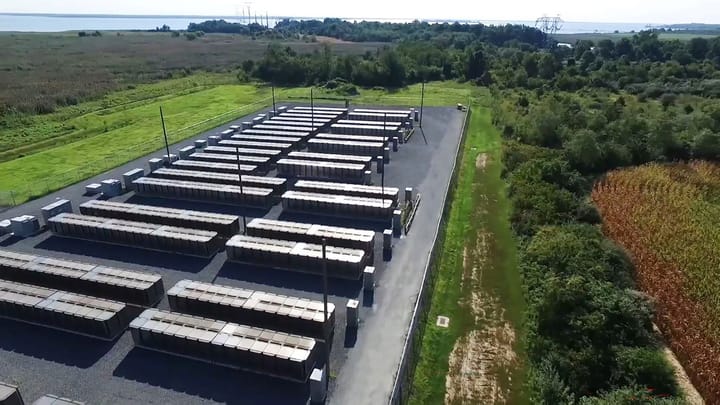
Brookfield-Bloom $25B Aims to Make Energy Certainty Financeable
The expansion reflects a strategic shift where capital providers bundle financing with guaranteed power delivery from day one, enabling hyperscalers to advance projects on schedule even while awaiting utility connections.