Supersonic airliner in doubt as company shifts to powering AI data centers
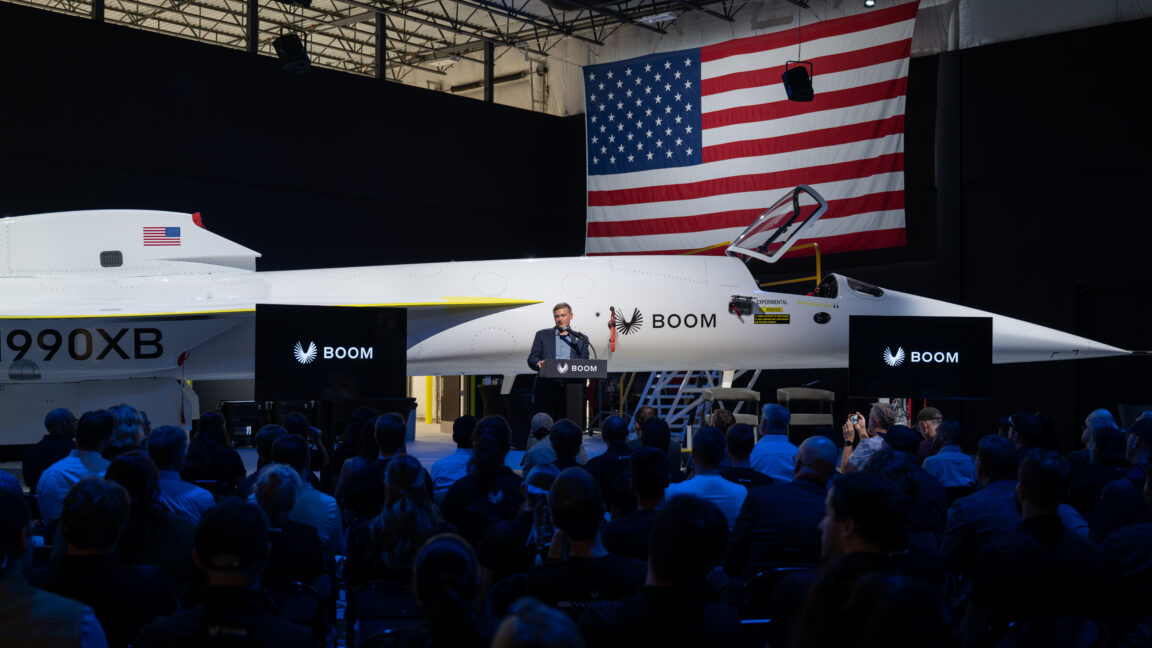
Boom Supersonic CEO Blake Scholl recently declared “it’s time for a renaissance in energy and in supersonic flight” as the supersonic airliner company unveiled a Colorado factory dedicated to making gas turbines for AI data centers. But Boom may be facing turbulence after early backers for both ventures have questioned the company’s delivery timeline or backed out entirely. One of the company’s first customers, United Airlines CEO Scott Kirby, has expressed doubts about Boom’s original plan to d
Get smart on it
Boom Supersonic is shifting its business strategy away from its original focus on building a supersonic airliner toward developing natural gas turbines to power artificial intelligence data centers. The company's original plan to deliver its first Overture supersonic airliner in 2029 is facing skepticism, with a major airline customer expressing doubt about meeting that timeline and the company losing a significant data center turbine order worth $1.25 billion. This pivot matters because it reflects how companies are redirecting resources toward the booming AI industry, though it raises questions about whether Boom can successfully execute both ventures given delays in its aircraft production facility and challenges in obtaining regulatory certification.
Relevant courses
Want to go deeper than the news? Explore live, cohort-based AI courses taught by practitioners.
Browse AI courses on MavenRelated news

Google’s first data center satellite is online and writing poetry
The first TPU in space is a running a Google DeepMind Gemma 4 model and writing cheesy poetry.
Also reported by The Verge

Cracks are emerging in the AI spending boom
Big Tech is pouring billions into AI infrastructure, but mounting debt, negative cash flow, and growing investor skepticism are raising questions about the sustainability of the AI spending boom.

Nvidia, AMD Commit $4B to Meta AI Buildout
Nvidia and AMD are deepening chip partnerships to secure long-term AI infrastructure business as Meta expands AI compute spending.

Can AI data centers be mass-produced like cars? This startup aims to find out
Runware is building a factory to turn out prefabricated AI data centers on an assembly line. The real test will be whether it can deliver at that scale.

AWS will be a $1T business, Jassy says. But first, it will spend big.
Amazon wants to be the king of AI cloud computing and become the first $1 trillion revenue business. But to do that it will have to continue on its capex spending spree, its CEO said Thursday.
New global AI computing capacity is doubling every 9 months
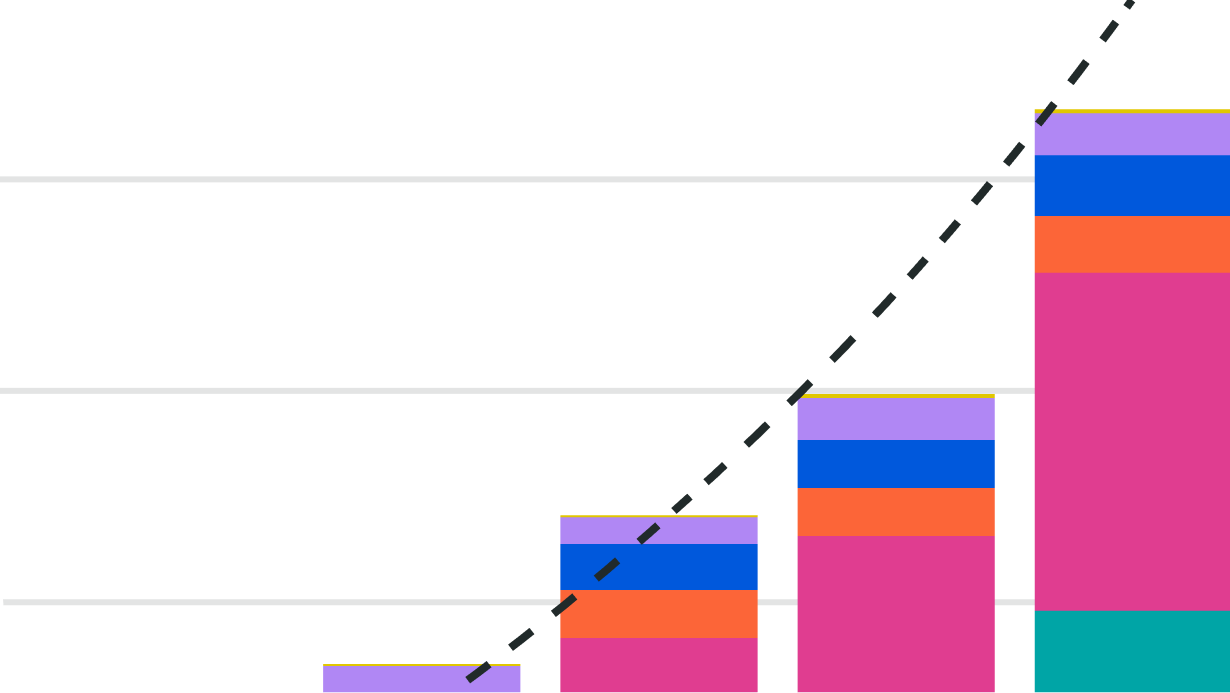
The computing power of AI chips sold each quarter has grown about 2.5× per year since 2024, down from a surge in 2023.