
Google’s first data center satellite is online and writing poetry
The first TPU in space is a running a Google DeepMind Gemma 4 model and writing cheesy poetry.
Get smart on it
Google's first orbital data center satellite is now operational and testing artificial intelligence capabilities in space. The satellite carries a single processor and can generate limited power, allowing it to operate for about twenty minutes at a time. Engineers tested the system by asking it to write poetry about space, then assessed its ability to report on orbital conditions. The ongoing tests will examine how the processor performs under radiation exposure and thermal stress, with plans to launch two additional satellites with more advanced capabilities in the following year.
Relevant courses
Want to go deeper than the news? Explore live, cohort-based AI courses taught by practitioners.
Browse AI courses on MavenRelated news

Nvidia, AMD Commit $4B to Meta AI Buildout
Nvidia and AMD are deepening chip partnerships to secure long-term AI infrastructure business as Meta expands AI compute spending.

Can AI data centers be mass-produced like cars? This startup aims to find out
Runware is building a factory to turn out prefabricated AI data centers on an assembly line. The real test will be whether it can deliver at that scale.

AWS will be a $1T business, Jassy says. But first, it will spend big.
Amazon wants to be the king of AI cloud computing and become the first $1 trillion revenue business. But to do that it will have to continue on its capex spending spree, its CEO said Thursday.
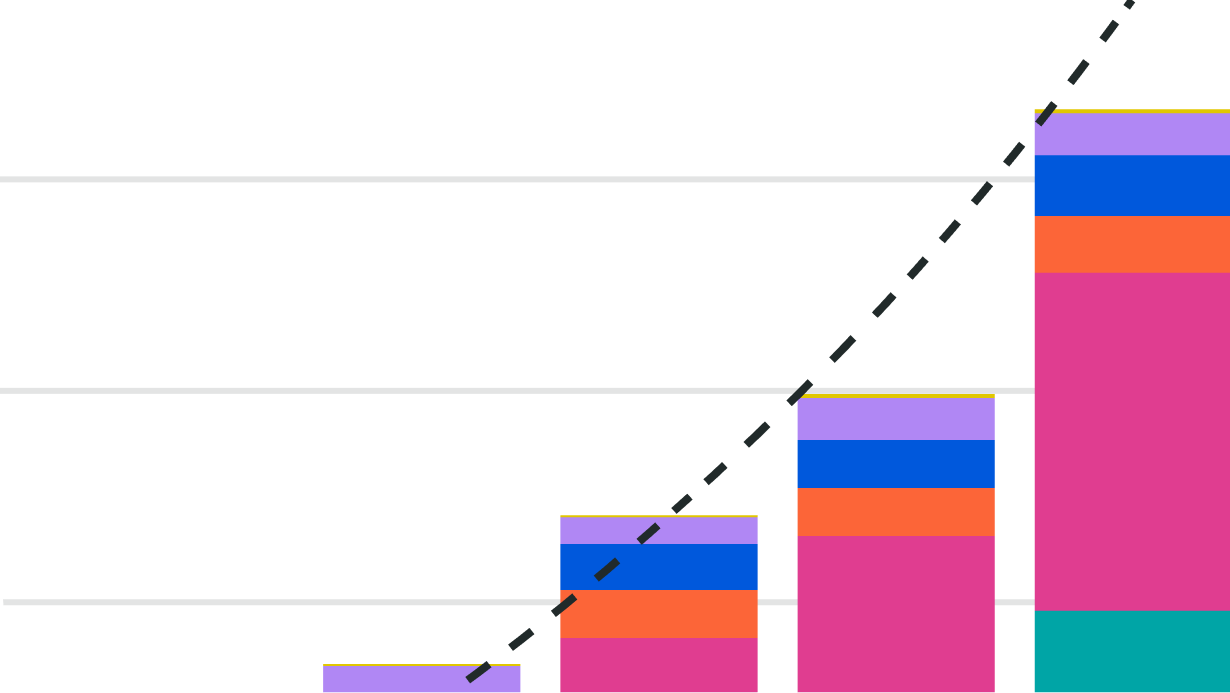
New global AI computing capacity is doubling every 9 months
The computing power of AI chips sold each quarter has grown about 2.5× per year since 2024, down from a surge in 2023.

Oracle brings Google’s TPUs to its cloud, adds ChatGPT integrations
Oracle Corp. today announced plans to make Google LLC’s TPU artificial intelligence accelerators available through its public cloud. The initiative marks the first time the search giant is supplying the chips to another hyperscaler. According to CNBC, Oracle will also add Cerebras Systems Inc.’s wafer-scale accelerators and OpenAI Group PBC’s Jalapeño inference processor. The latter […] The post Oracle brings Google’s TPUs to its cloud, adds ChatGPT integrations appeared first on SiliconAN
Also reported by Data Center Knowledge

AI has come for Arizona’s water
A hulking gray giant rises from the desert. Inside, engineers create the force behind our phones and computers and appliances, our streaming services and search engines and chatbots and vibe-coded apps and websites. The complex is simultaneously massive and squat, dwarfed by the mountains that surround it, and it is endless. I drive past one building, and then another, and then the ground opens up where construction crews have dug up the earth so a third building can rise. Ther