
Optical PCIe demonstrated as early-stage AI data center technology
Data Center Knowledge: Optical PCIe Extends the Reach of AI Rack Design
Lumentum, Astera Labs, and Corning demoed optical PCIe, which extends reach beyond copper and enables more flexible, disaggregated AI rack designs, though it’s still an early-stage proof of concept.
Get smart on it
Optical PCIe is a technology that transmits data as light signals through fiber instead of electrical signals through copper wires, while preserving the standard PCIe architecture used to connect computer components. As AI data centers grow denser and require faster data speeds, traditional copper connections face constraints in distance, signal quality, and cable management, whereas optical connections can span tens to hundreds of meters within a data center compared to a few meters for passive copper. The added reach would allow data center designers to separate GPUs, switches, and memory across different racks or rows instead of keeping them tightly clustered, enabling more flexible optimization of layouts for power, cooling, and serviceability. Companies demonstrated a working proof of concept at an industry summit, but the technology remains early stage and copper will likely remain the standard for short distances due to its established cost-effectiveness.
Relevant courses
Want to go deeper than the news? Explore live, cohort-based AI courses taught by practitioners.
Browse AI courses on MavenRelated news
The neocloud shakeout is coming, and Nvidia has the most to lose
After stock crashes and Firmus's scrapped IPO, industry executives expect only seven to ten of the hundreds of AI cloud providers to survive. CoreWeave lost a quarter of its market value, and Microsoft pulled out of a deal with Nscale for 23,000 Nvidia chips. Nvidia has a lot riding on the outcome, since customers outside the hyperscalers make up 45 percent of its data center revenue. The article The neocloud shakeout is coming, and Nvidia has the most to lose appeared first on The Deco
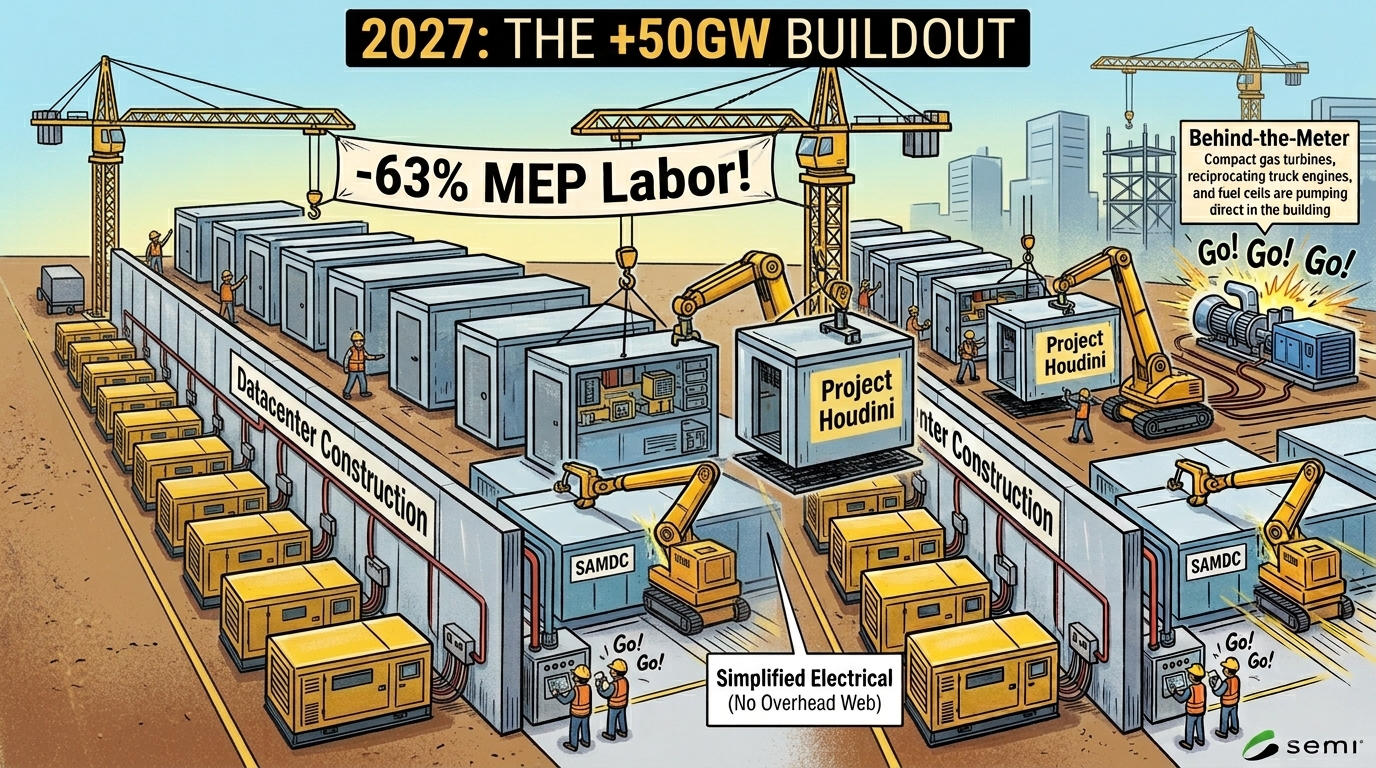
Datacenters 2027: The Year of Acceleration, +50GW in a Single Year
Not a week goes without another piece of datacenter FUD. We’ve already debunked depth why moratoriums aren’t as impactful as one may think. Despite that, many still misunderstand the pace of the global AI datacenter buildout. Just the other week, Brad Gerstner from Altimeter showed our data on the All-In Podcast and stated that “SemiAnalysis’ forecast of +43GW in 2027 is too aggressive” and that he thought only about 25GW would get built, close to half of our numbe
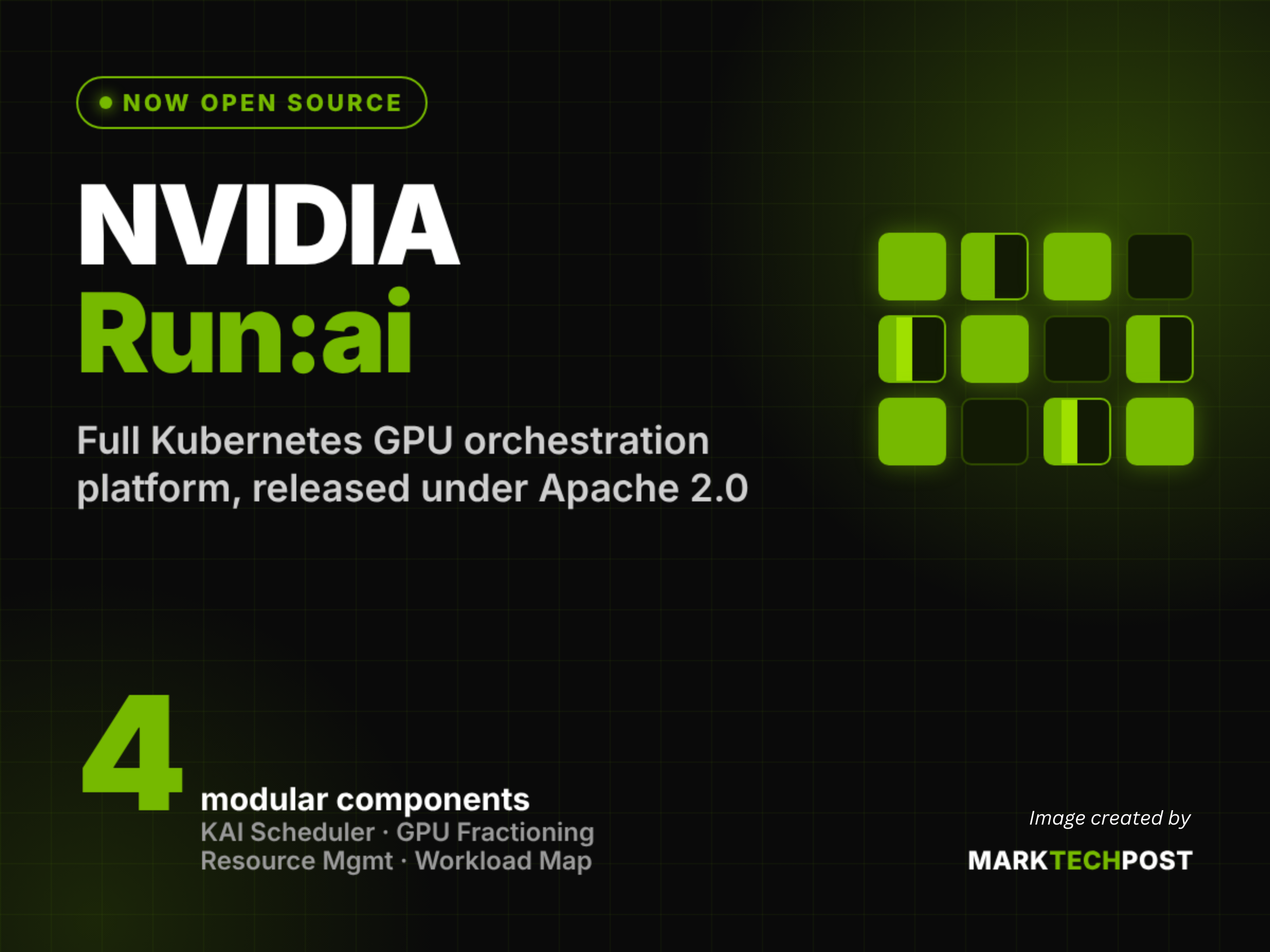
NVIDIA Open Sources Run:ai Under Apache 2.0 for Kubernetes GPU Orchestration
NVIDIA has released the full NVIDIA Run:ai platform as open source software. The source code ships under the Apache 2.0 license on GitHub. NVIDIA Run:ai open source puts production GPU scheduling, quotas and workload management in developers’ hands. The release, makes Run:ai part of the NVIDIA DSX AI Factory platform. Platform teams can now inspect, fork and self-host the stack without a paid subscription. TL;DR Size: Monorepo with control plane, cluster services, installer, CLI an

Nvidia's Jensen Huang pledges $2 billion for Europe, $250 million in compute for UK safety labs
Nvidia CEO Jensen Huang announced $2 billion in European investments and new stakes in French startups like Doctolib and Entalpic. The UK gets $250 million in compute for AI agent safety and security research. Huang pitched open-weight models as Europe's way to close the AI gap. The article Nvidia's Jensen Huang pledges $2 billion for Europe, $250 million in compute for UK safety labs appeared first on The Decoder.

Ricursive Intelligence is betting on AI-designed chips to help solve the compute crisis
The founders detailed how their startup is developing AI that can design chips, learn from each iteration, and improve subsequent designs, all with the goal of automating and accelerating the chip design process.

AI Data Center Land Buying Hits $6B as Power Premiums Rise
US data center land spending hit roughly $6 billion in the first half of 2026, as power access now drives land value and pricing more than location alone.