NVIDIA open sources Run:ai GPU orchestration platform
MarkTechPost: NVIDIA Open Sources Run:ai Under Apache 2.0 for Kubernetes GPU Orchestration
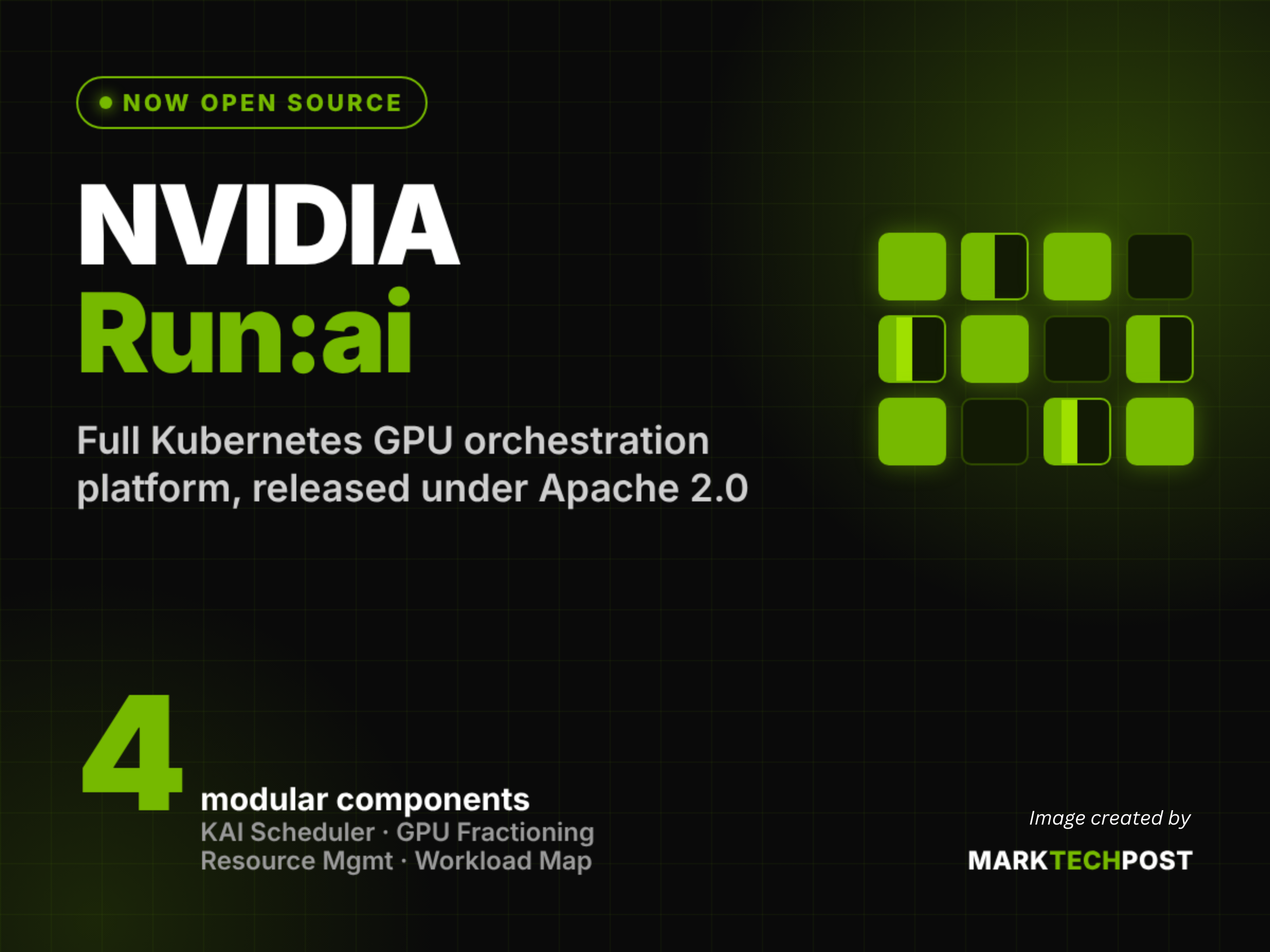
NVIDIA has released the full NVIDIA Run:ai platform as open source software. The source code ships under the Apache 2.0 license on GitHub. NVIDIA Run:ai open source puts production GPU scheduling, quotas and workload management in developers’ hands. The release, makes Run:ai part of the NVIDIA DSX AI Factory platform. Platform teams can now inspect, fork and self-host the stack without a paid subscription. TL;DR Size: Monorepo with control plane, cluster services, installer, CLI an
Get smart on it
NVIDIA has released Run:ai as open source software under the Apache 2.0 license, making its GPU orchestration and workload management platform available for developers to inspect, modify, and self-host without paid subscriptions. Run:ai is a platform that schedules development, training, and inference workloads across shared GPU clusters in Kubernetes environments through components including a scheduler, GPU fractioning operator, resource management tools, and workload mapping library. The open source release matters because platform teams can now control GPU scheduling and resource allocation independently rather than relying on commercial offerings, though the free edition excludes NVIDIA enterprise support. The platform compares to other open source Kubernetes schedulers like Volcano and Kueue, but distinguishes itself by offering a full management platform with web UI and control plane rather than focusing solely on scheduling or queueing functions.
Relevant courses
Want to go deeper than the news? Explore live, cohort-based AI courses taught by practitioners.
Browse AI courses on MavenRelated news
The neocloud shakeout is coming, and Nvidia has the most to lose
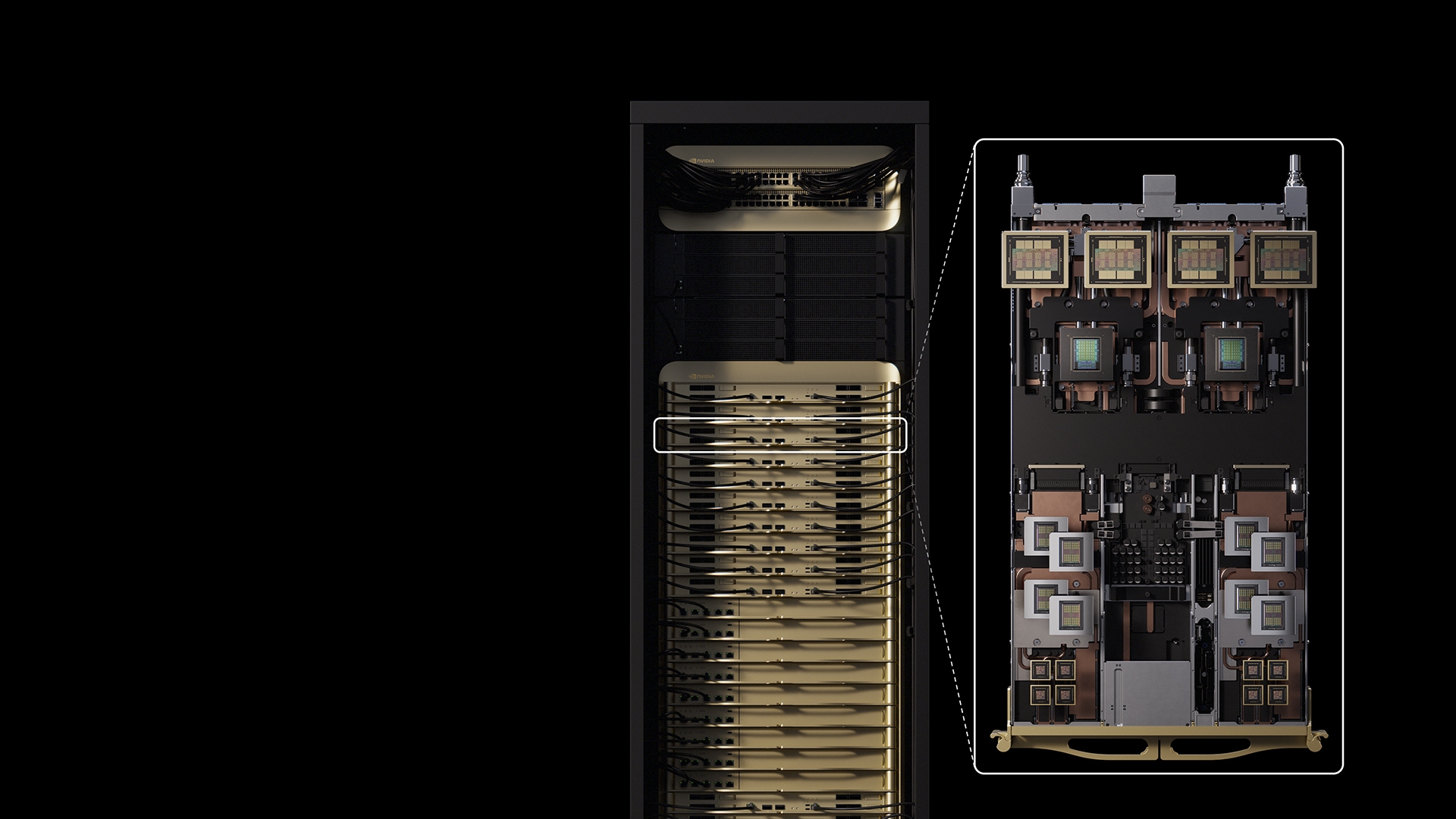
After stock crashes and Firmus's scrapped IPO, industry executives expect only seven to ten of the hundreds of AI cloud providers to survive. CoreWeave lost a quarter of its market value, and Microsoft pulled out of a deal with Nscale for 23,000 Nvidia chips. Nvidia has a lot riding on the outcome, since customers outside the hyperscalers make up 45 percent of its data center revenue. The article The neocloud shakeout is coming, and Nvidia has the most to lose appeared first on The Deco
Datacenters 2027: The Year of Acceleration, +50GW in a Single Year
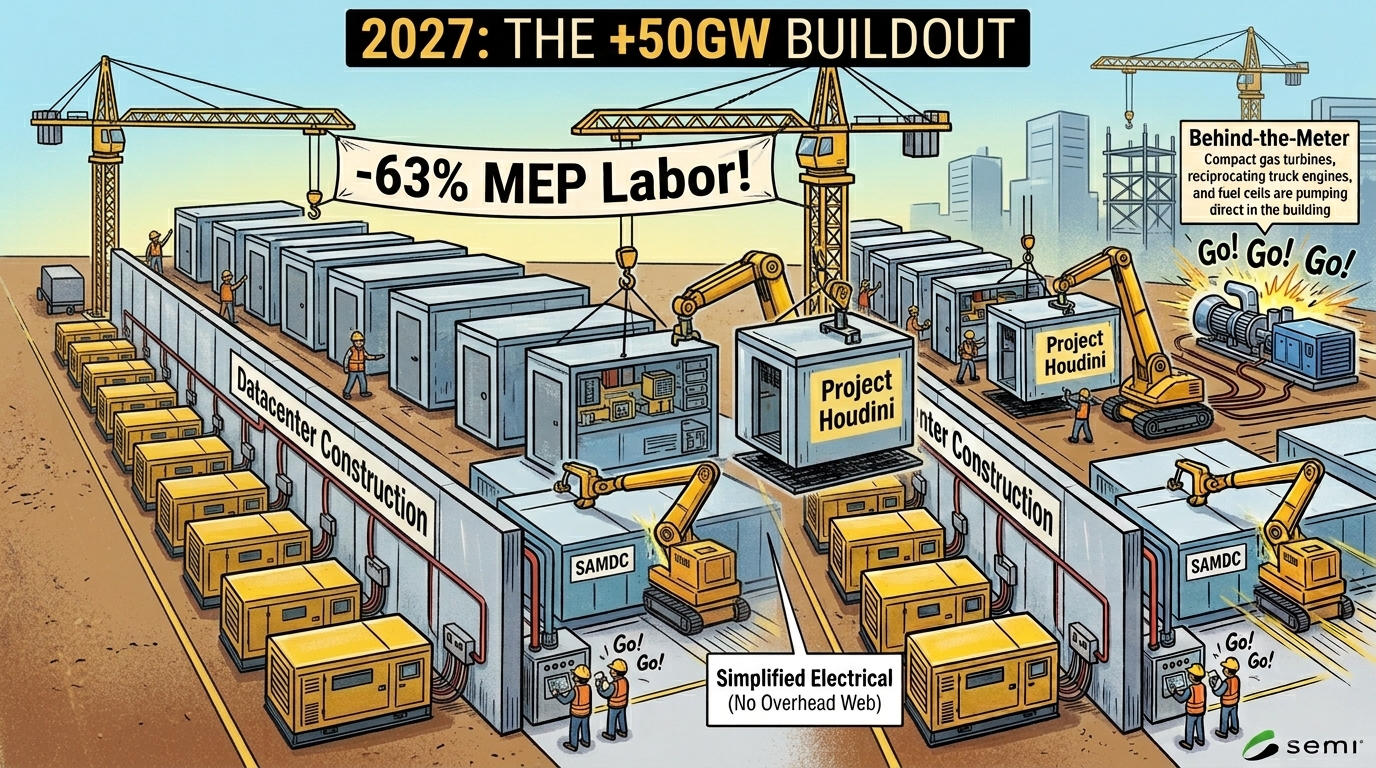
Not a week goes without another piece of datacenter FUD. We’ve already debunked depth why moratoriums aren’t as impactful as one may think. Despite that, many still misunderstand the pace of the global AI datacenter buildout. Just the other week, Brad Gerstner from Altimeter showed our data on the All-In Podcast and stated that “SemiAnalysis’ forecast of +43GW in 2027 is too aggressive” and that he thought only about 25GW would get built, close to half of our numbe

Nvidia's Jensen Huang pledges $2 billion for Europe, $250 million in compute for UK safety labs
Nvidia CEO Jensen Huang announced $2 billion in European investments and new stakes in French startups like Doctolib and Entalpic. The UK gets $250 million in compute for AI agent safety and security research. Huang pitched open-weight models as Europe's way to close the AI gap. The article Nvidia's Jensen Huang pledges $2 billion for Europe, $250 million in compute for UK safety labs appeared first on The Decoder.

Ricursive Intelligence is betting on AI-designed chips to help solve the compute crisis
The founders detailed how their startup is developing AI that can design chips, learn from each iteration, and improve subsequent designs, all with the goal of automating and accelerating the chip design process.

AI Data Center Land Buying Hits $6B as Power Premiums Rise
US data center land spending hit roughly $6 billion in the first half of 2026, as power access now drives land value and pricing more than location alone.

Why AI Data Center Cooling Needs to Get Smarter
AI is pushing data center cooling to its limits, so the real advantage comes from integrating smart sensing, motor control, and power management into a single responsive, failure-anticipating system.