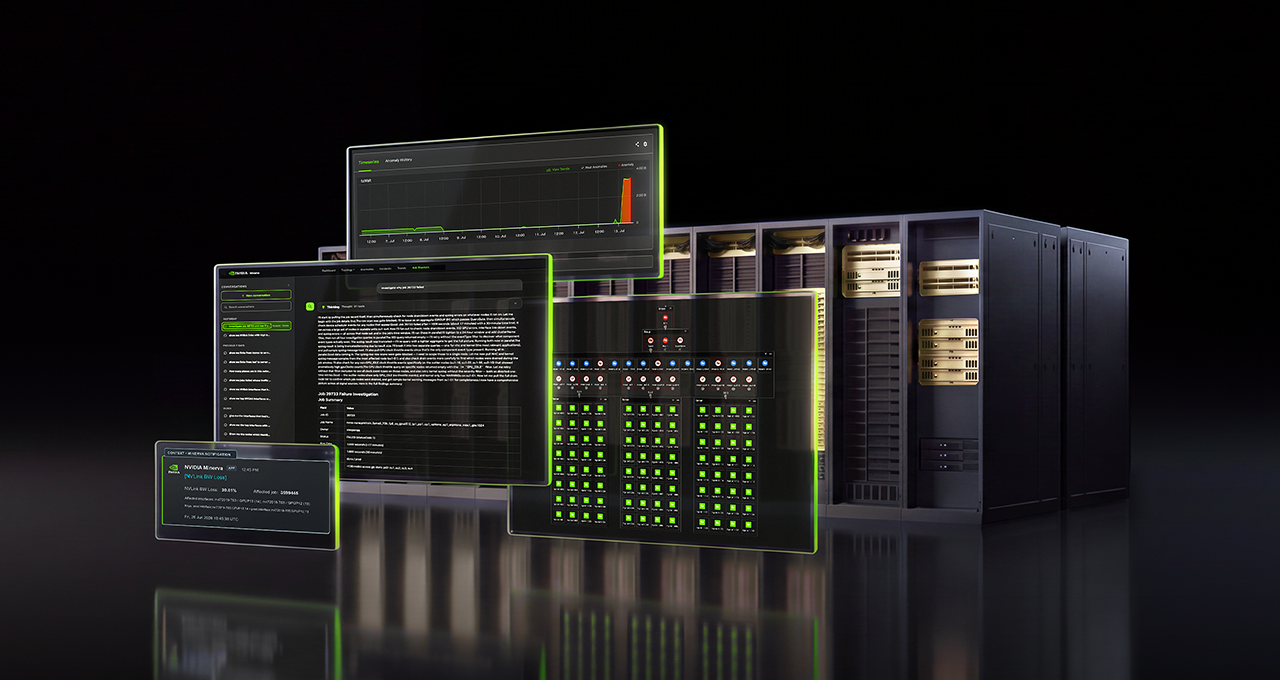
NVIDIA launches Minerva for AI factory monitoring
NVIDIA Blog: NVIDIA Unveils Minerva to Bring End-to-End Observability for AI Factories
Launched today, NVIDIA Minerva is an AIOps platform built to help teams find problems earlier and keep AI factories productive. It brings together telemetry from infrastructure and AI workloads, then applies purpose-built AI models to turn that data into timely, actionable insight. AI factories are among the most complex operations in the world, with vast numbers of GPUs working across high-speed networks to train models and serve AI applications. At that scale, a single degraded component can s
Get smart on it
NVIDIA has launched Minerva, an AIOps platform designed to monitor and manage AI factories, which are large-scale operations with vast numbers of GPUs running across high-speed networks. The platform combines data from infrastructure and AI workloads, then uses machine learning to identify problems early, predict failures, and suggest fixes to operators through a conversational AI interface. This matters because AI factories are extremely complex systems where a single degraded component can slow entire jobs, and traditional monitoring tools divide the data center into separate views that make problems hard to spot and trace. Minerva aims to help operators move from reactive troubleshooting to proactive maintenance by grouping related alerts into single actionable items and providing visibility across GPUs, networking, storage, and the jobs running on the infrastructure.
Relevant courses
Want to go deeper than the news? Explore live, cohort-based AI courses taught by practitioners.
Browse AI courses on MavenRelated news

Nvidia Unveils DSX Pod for Faster AI Data Center Builds
Nvidia said the DSX Pod, a prebuilt containerized AI data center, reduces deployment time from six months to 14 days.
Also reported by The Decoder and NVIDIA Blog

Nvidia Unveils DSX POD Amid Greenpeace Protest
Nvidia says its DSX POD can slash AI data center deployment times, but its Berlin launch also underscored growing backlash over the industry’s rapid expansion.
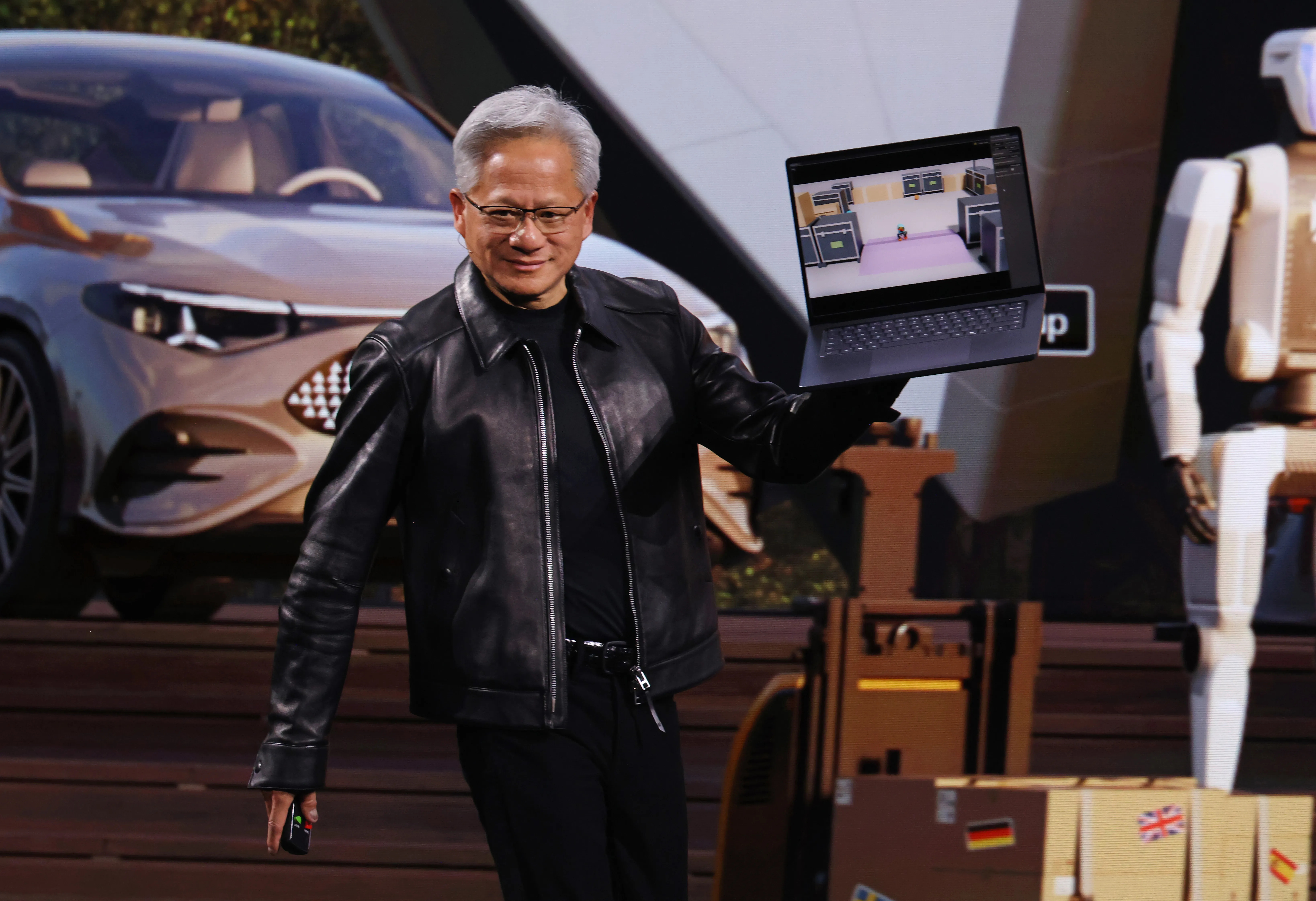
Jensen Huang’s Vision for Europe Runs on Plug-In Data Centers
At Nvidia’s GTC in Berlin, Huang unveiled their new plug-in data center—the DSX Pod—as the key to unlocking Europe’s AI infrastructure lag. Oh, and autonomous humanoid robotics.

Hugging Face ❤️ TorchTPU: TPUs, Natively
Tighter integration between the popular open-source platform and Google's specialized processors could lower barriers for researchers training large models.
Also reported by MarkTechPost and SiliconANGLE

Mistral Advances AI for Engineering with NVIDIA
Mistral is collaborating with NVIDIA to develop a new generation of AI-native engineering workflows powered by NVIDIA accelerated computing.
Also reported by The Decoder

Data centers could erase decades of air quality gains
A rush of new data centers could bring air pollution roaring back to levels not seen since the 2000s in Texas, which has become ground zero for the physical infrastructure behind generative AI. New and proposed data centers are demanding a tremendous amount of electricity. How developers and utilities meet that demand - with gas turbines or renewable energy - will determine just how dirty things will get. So far, though, things are looking grim. Tech companies and data center d