
Data centers could erase decades of air quality gains
A rush of new data centers could bring air pollution roaring back to levels not seen since the 2000s in Texas, which has become ground zero for the physical infrastructure behind generative AI. New and proposed data centers are demanding a tremendous amount of electricity. How developers and utilities meet that demand - with gas turbines or renewable energy - will determine just how dirty things will get. So far, though, things are looking grim. Tech companies and data center d
Get smart on it
New data centers powering generative AI are consuming enormous amounts of electricity, and how that power is generated will determine whether air pollution surges or stays controlled. According to research from the Houston Advanced Research Center, if all planned data center projects in Texas were powered by the anticipated grid mix, soot pollution would more than triple to levels not seen since 2006, and smog-forming emissions would increase 136 percent to approach 2004 levels, erasing decades of air quality improvements. The outcome depends on whether developers build renewable energy sources onsite to power data centers or rely on gas turbines and grid electricity, with some developers choosing less efficient gas turbine technology to speed construction. Texas has become the leading data center market globally and is positioned to host more proposed data center capacity powered by onsite generation than any other state.
Relevant courses
Want to go deeper than the news? Explore live, cohort-based AI courses taught by practitioners.
Browse AI courses on MavenRelated news

Nvidia Unveils DSX Pod for Faster AI Data Center Builds
Nvidia said the DSX Pod, a prebuilt containerized AI data center, reduces deployment time from six months to 14 days.
Also reported by The Decoder
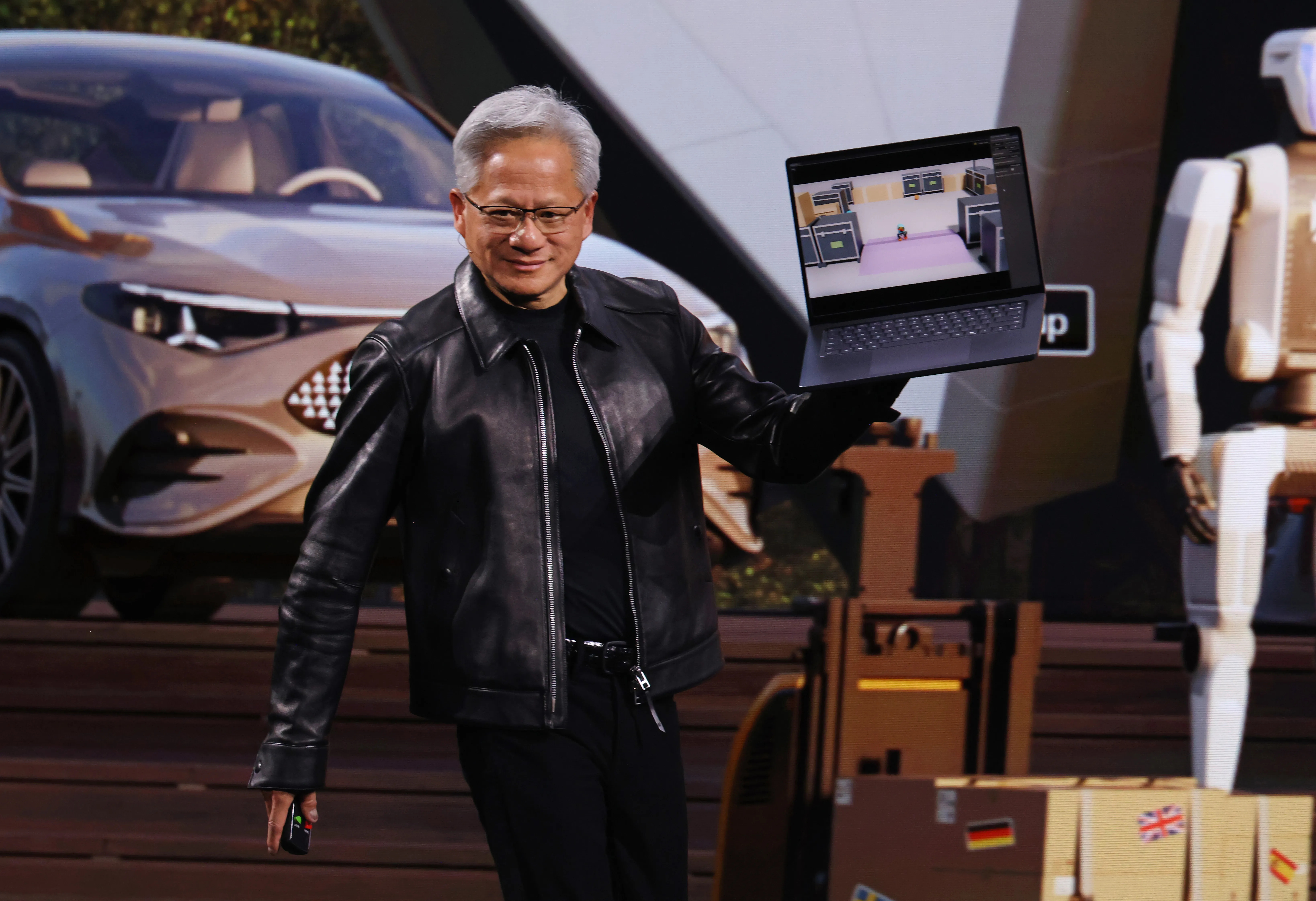
Jensen Huang’s Vision for Europe Runs on Plug-In Data Centers
At Nvidia’s GTC in Berlin, Huang unveiled their new plug-in data center—the DSX Pod—as the key to unlocking Europe’s AI infrastructure lag. Oh, and autonomous humanoid robotics.

Mistral Advances AI for Engineering with NVIDIA
Mistral is collaborating with NVIDIA to develop a new generation of AI-native engineering workflows powered by NVIDIA accelerated computing.
Also reported by The Decoder

Hugging Face ❤️ TorchTPU: TPUs, Natively
Tighter integration between the popular open-source platform and Google's specialized processors could lower barriers for researchers training large models.
Also reported by MarkTechPost and SiliconANGLE

The Huawei-DeepSeek Symbiosis
Right before China’s national day holidays, DeepSeek released Ascend support for TileLang, DeepGEMM, DeepEP, TileKernels, FlashMLA, and DeepSelect.Neither can do this alone. Although they have Pangu, Huawei has no frontier lab to prove their chip can train or infer models, DeepSeek has models but cannot buy the compute it needs. Each supplies exactly what the other lacks: Huawei provides the hardware and native software stack; DeepSeek brings the workloads and engineering needed to make th
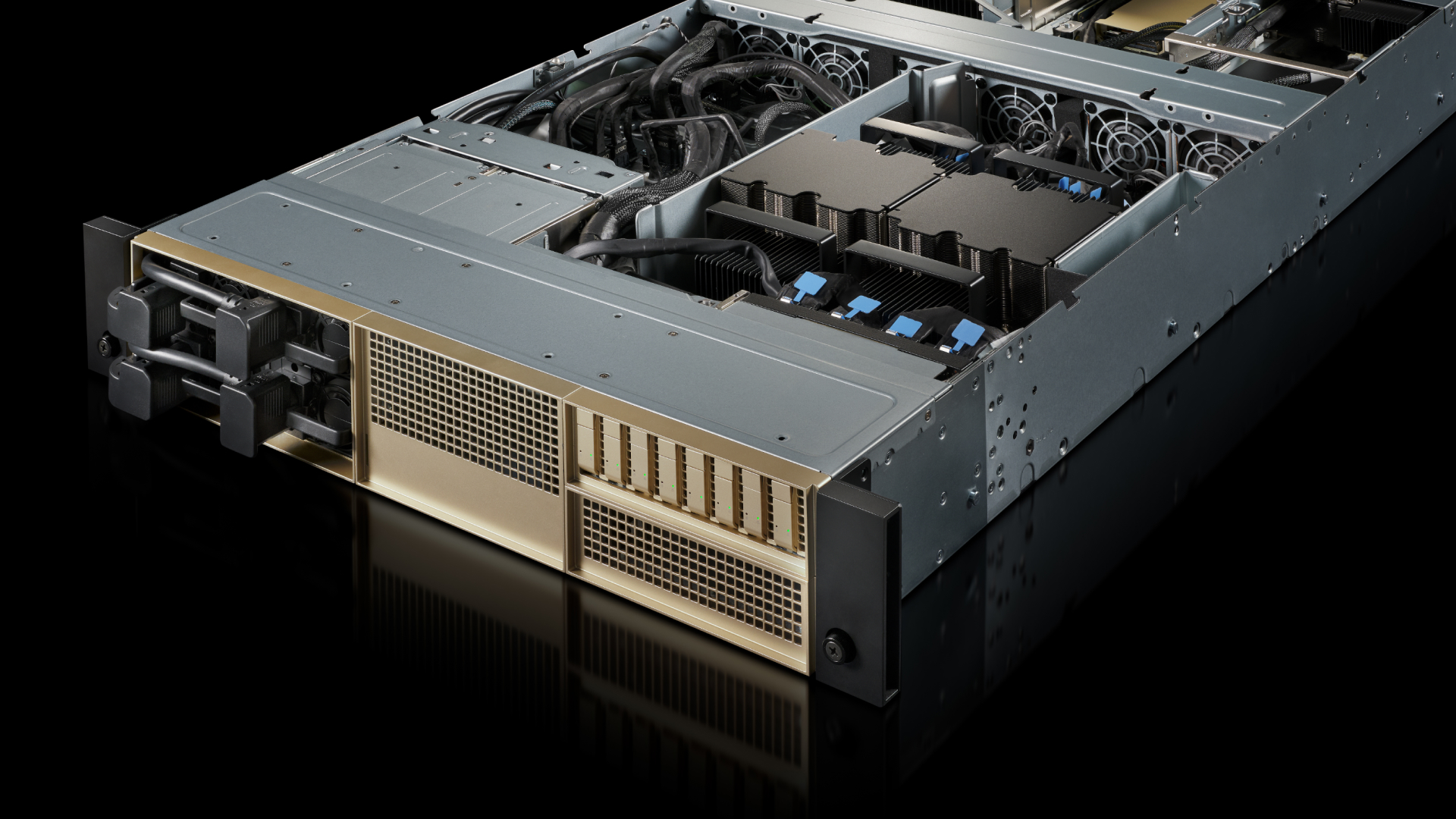
European Leaders Turn to NVIDIA Vera CPUs to Build Local Infrastructure
Nebius and Nscale are among global technology partners looking to NVIDIA Vera CPUs to build the next wave of infrastructure. Their momentum reflects rapid advancements in agentic computing. Agents do more than generate answers: they retrieve information, run software tools, execute code and evaluate results. Each step depends on fast CPU processing. Vera accelerates that work, helping agents respond faster and enabling data centers to make better use of computing capacity. Vera is designed to