
Data centers explore front-of-meter power strategy
Data Center Knowledge: Is Front-of-the-Meter Power the Next Data Center Play?
Front-of-the-meter power could help data centers ease grid strain, expand capacity, and address growing concerns over energy demand.
Get smart on it
Front-of-the-meter power is a strategy where data center operators develop or support power generation capacity that feeds electricity into the grid itself, rather than reserving energy exclusively for their own facilities. This differs from the more common behind-the-meter approach, which generates power only for a specific data center campus. Data center operators are exploring this because electricity availability is becoming a major constraint on expansion, and by helping add grid capacity, operators may improve power availability for their own future development while also addressing public concerns that data centers strain local infrastructure. The concept remains in early stages, with adoption likely to depend on whether grid constraints worsen and whether large operators see strategic advantages in directly developing energy infrastructure.
Relevant courses
Want to go deeper than the news? Explore live, cohort-based AI courses taught by practitioners.
Browse AI courses on MavenRelated news

Hugging Face ❤️ TorchTPU: TPUs, Natively
Tighter integration between the popular open-source platform and Google's specialized processors could lower barriers for researchers training large models.
Also reported by MarkTechPost

Google has joined Amazon in attacking Nvidia’s stronghold with AI app developers
Google has joined Amazon in releasing a developer tool that makes it easy for PyTorch users to move their apps off Nvidia GPUs.

CoreWeave’s debt is becoming the whole AI industry’s problem
CoreWeave had a bad week last week. Its bonds slipped into distressed territory by a common definition - when investors demand 1,000 basis points more in yield than they'd get from government bonds. Last Tuesady Chamath "SPAC King" Palihapitiya noticed the distressed debt, and also asked whether the AI buildout was a private credit bubble. Its shares are down more than 20 percent since Tuesday's close, which is kind of a lot! There even seemed to be some collateral damage in th

Amazon is taking its biggest shot at Nvidia yet with new TorchNeuron dev tool
Amazon wants to break Nvidia’s hold on PyTorch, the free toolkit used to build most AI apps, so that more developers run their apps on alternative chips like its own.
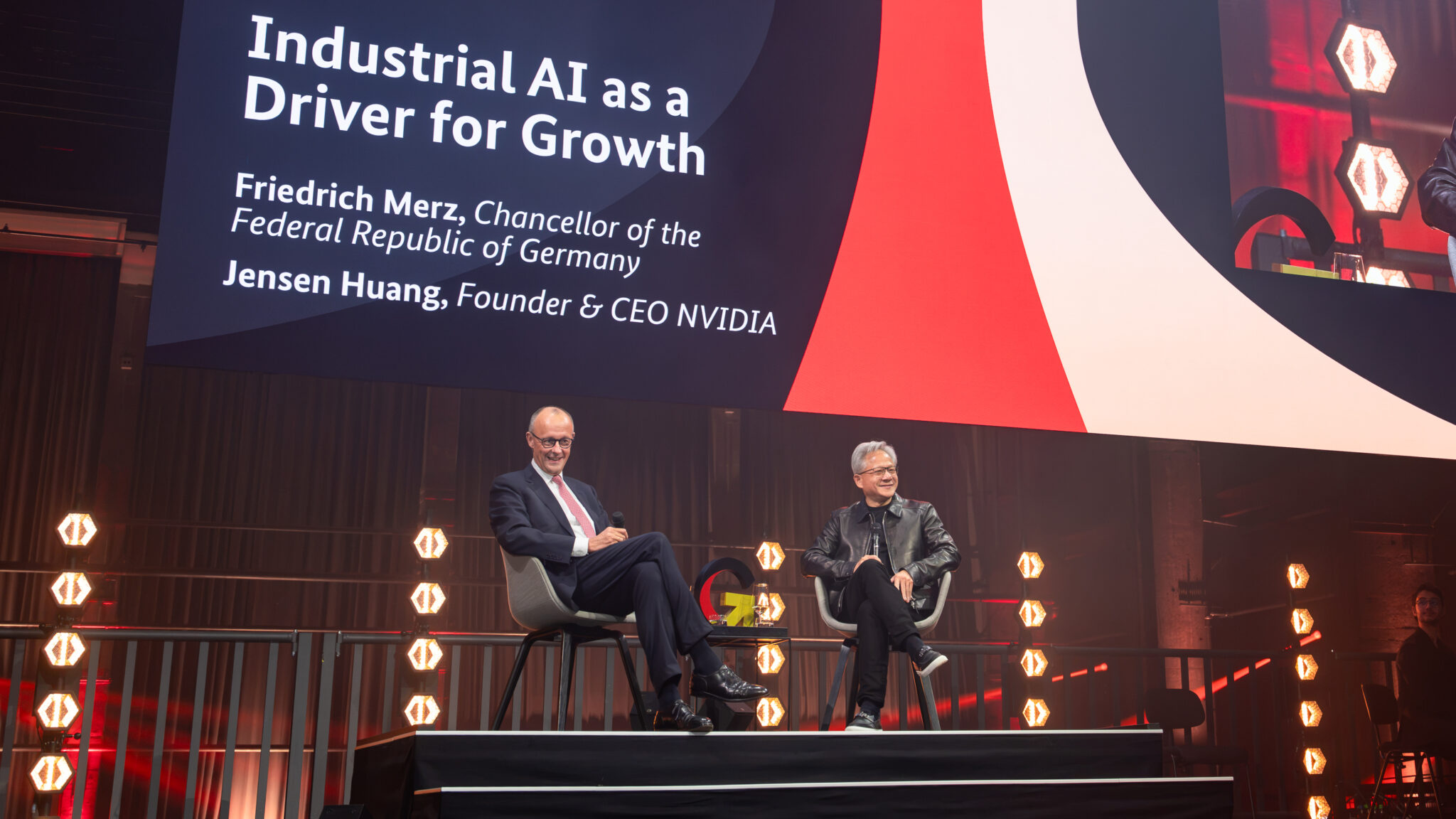
Germany Wants to Lead the World in Industrial AI: How NVIDIA Will Help
In the cavernous hall of Kraftwerk, a former power station in Berlin, German Chancellor Friedrich Merz and NVIDIA founder and CEO Jensen Huang sat down to discuss Germany’s AI roadmap, and in particular, the industrial applications of AI. Huang opened by tracing NVIDIA’s longstanding relationship with German industry, beginning with gaming systems, workstations and automotive design in the early 2000s and leading to today’s partnerships in autonomous vehicle development and digital twins for man
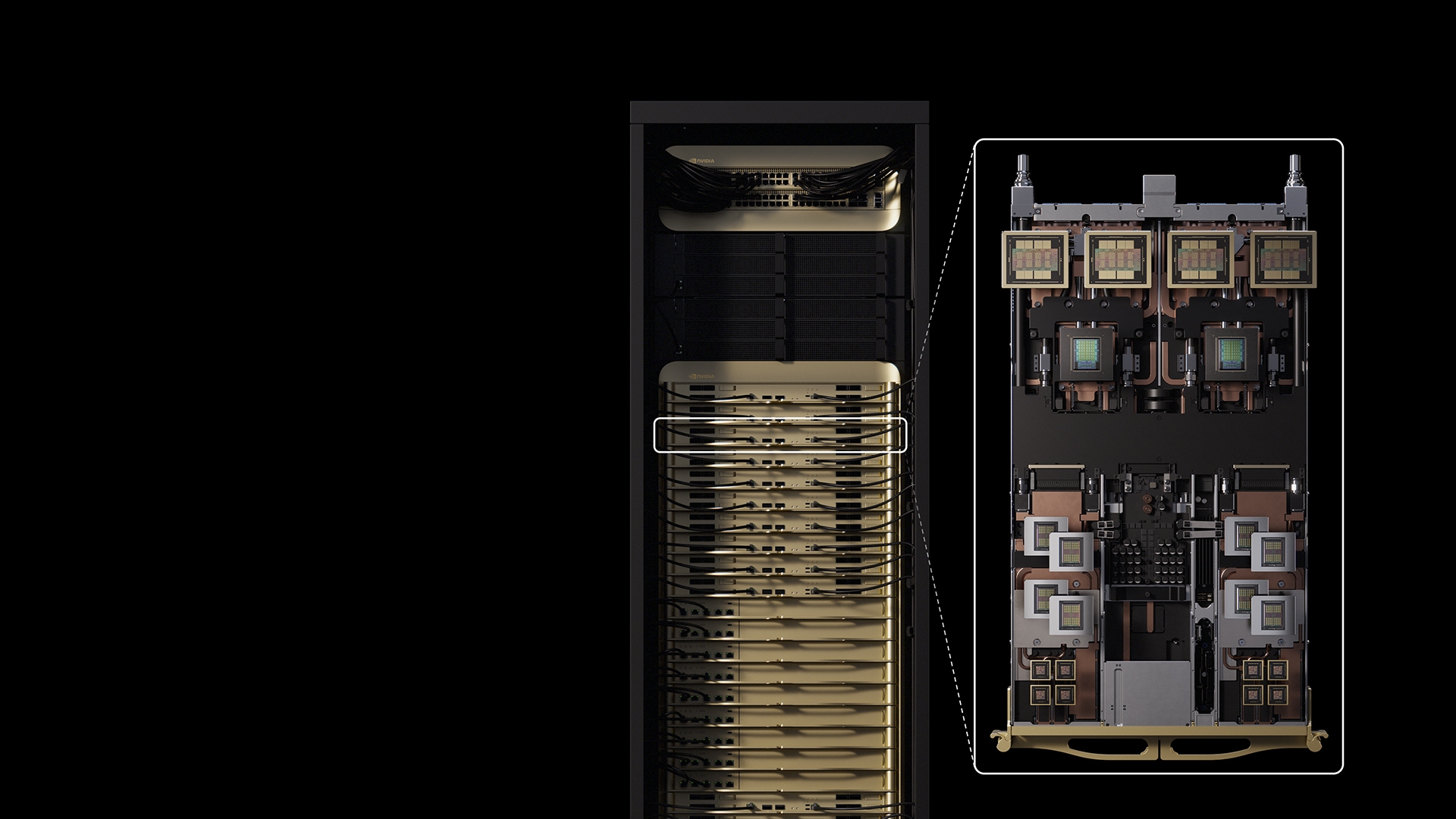
The neocloud shakeout is coming, and Nvidia has the most to lose
After stock crashes and Firmus's scrapped IPO, industry executives expect only seven to ten of the hundreds of AI cloud providers to survive. CoreWeave lost a quarter of its market value, and Microsoft pulled out of a deal with Nscale for 23,000 Nvidia chips. Nvidia has a lot riding on the outcome, since customers outside the hyperscalers make up 45 percent of its data center revenue. The article The neocloud shakeout is coming, and Nvidia has the most to lose appeared first on The Deco