
Amazon releases TorchNeuron for Trainium chip
TechCrunch: Amazon is taking its biggest shot at Nvidia yet with new TorchNeuron dev tool
Amazon wants to break Nvidia’s hold on PyTorch, the free toolkit used to build most AI apps, so that more developers run their apps on alternative chips like its own.
Get smart on it
Amazon Web Services released TorchNeuron, a tool that allows AI applications written with PyTorch to run on Amazon's Trainium chip with only a single line of configuration change and no code rewriting required. This matters because Nvidia's CUDA software has long dominated the AI hardware space by seamlessly supporting PyTorch, which about 85% of AI apps use, making Nvidia hardware the default choice for developers. Amazon is also contributing code changes to PyTorch itself to make the framework less dependent on Nvidia's specific hardware, aiming to give developers more choice and competition in the AI chip market. Amazon argues that building on its cloud platform offers startups better overall economics than using single-purpose compute providers tied to Nvidia hardware, since Trainium handles both training and inference while being integrated with a complete cloud infrastructure.
Relevant courses
Want to go deeper than the news? Explore live, cohort-based AI courses taught by practitioners.
Browse AI courses on MavenRelated news

CoreWeave’s debt is becoming the whole AI industry’s problem
CoreWeave had a bad week last week. Its bonds slipped into distressed territory by a common definition - when investors demand 1,000 basis points more in yield than they'd get from government bonds. Last Tuesady Chamath "SPAC King" Palihapitiya noticed the distressed debt, and also asked whether the AI buildout was a private credit bubble. Its shares are down more than 20 percent since Tuesday's close, which is kind of a lot! There even seemed to be some collateral damage in th
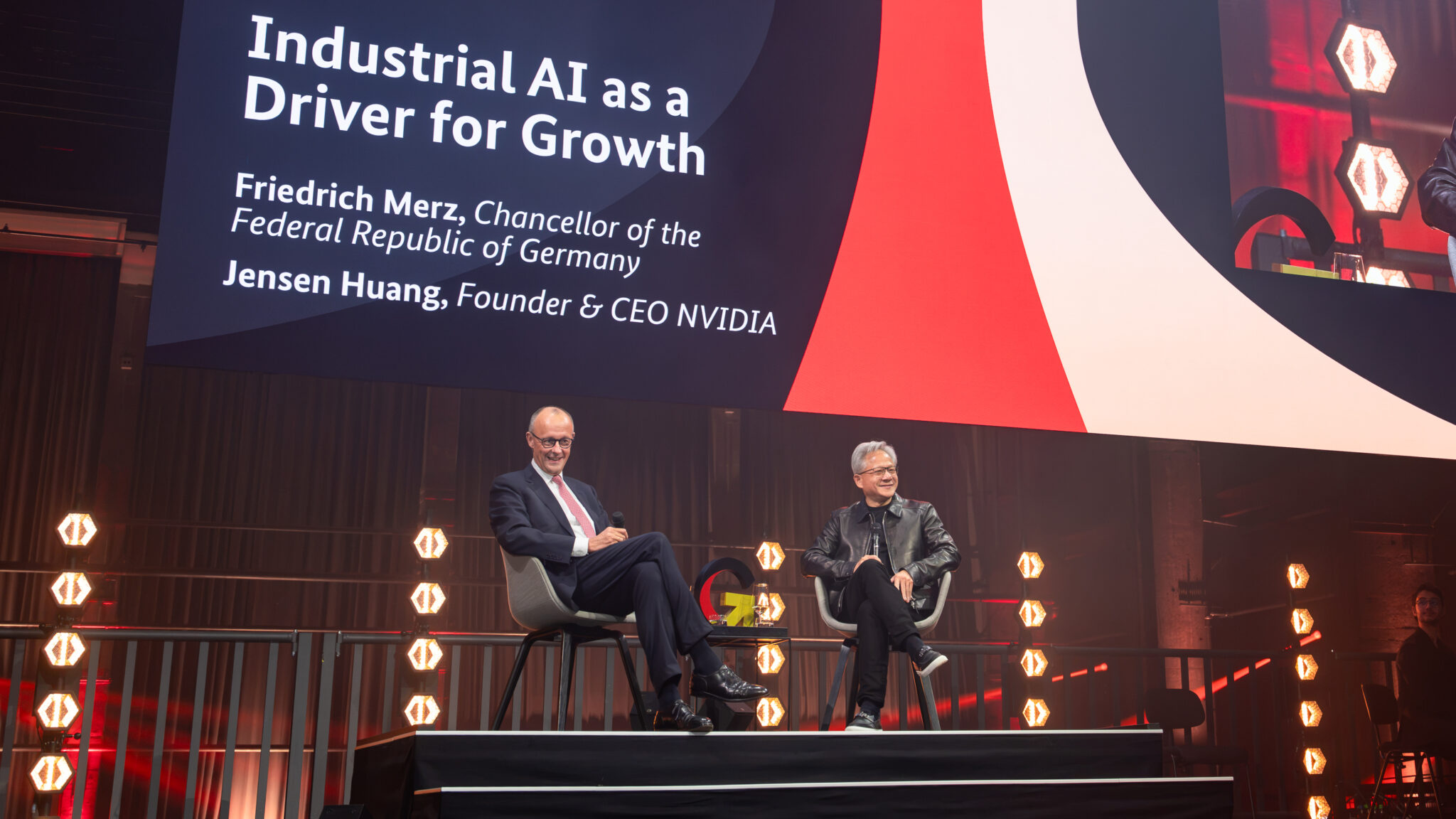
Germany Wants to Lead the World in Industrial AI: How NVIDIA Will Help
In the cavernous hall of Kraftwerk, a former power station in Berlin, German Chancellor Friedrich Merz and NVIDIA founder and CEO Jensen Huang sat down to discuss Germany’s AI roadmap, and in particular, the industrial applications of AI. Huang opened by tracing NVIDIA’s longstanding relationship with German industry, beginning with gaming systems, workstations and automotive design in the early 2000s and leading to today’s partnerships in autonomous vehicle development and digital twins for man
The neocloud shakeout is coming, and Nvidia has the most to lose
After stock crashes and Firmus's scrapped IPO, industry executives expect only seven to ten of the hundreds of AI cloud providers to survive. CoreWeave lost a quarter of its market value, and Microsoft pulled out of a deal with Nscale for 23,000 Nvidia chips. Nvidia has a lot riding on the outcome, since customers outside the hyperscalers make up 45 percent of its data center revenue. The article The neocloud shakeout is coming, and Nvidia has the most to lose appeared first on The Deco
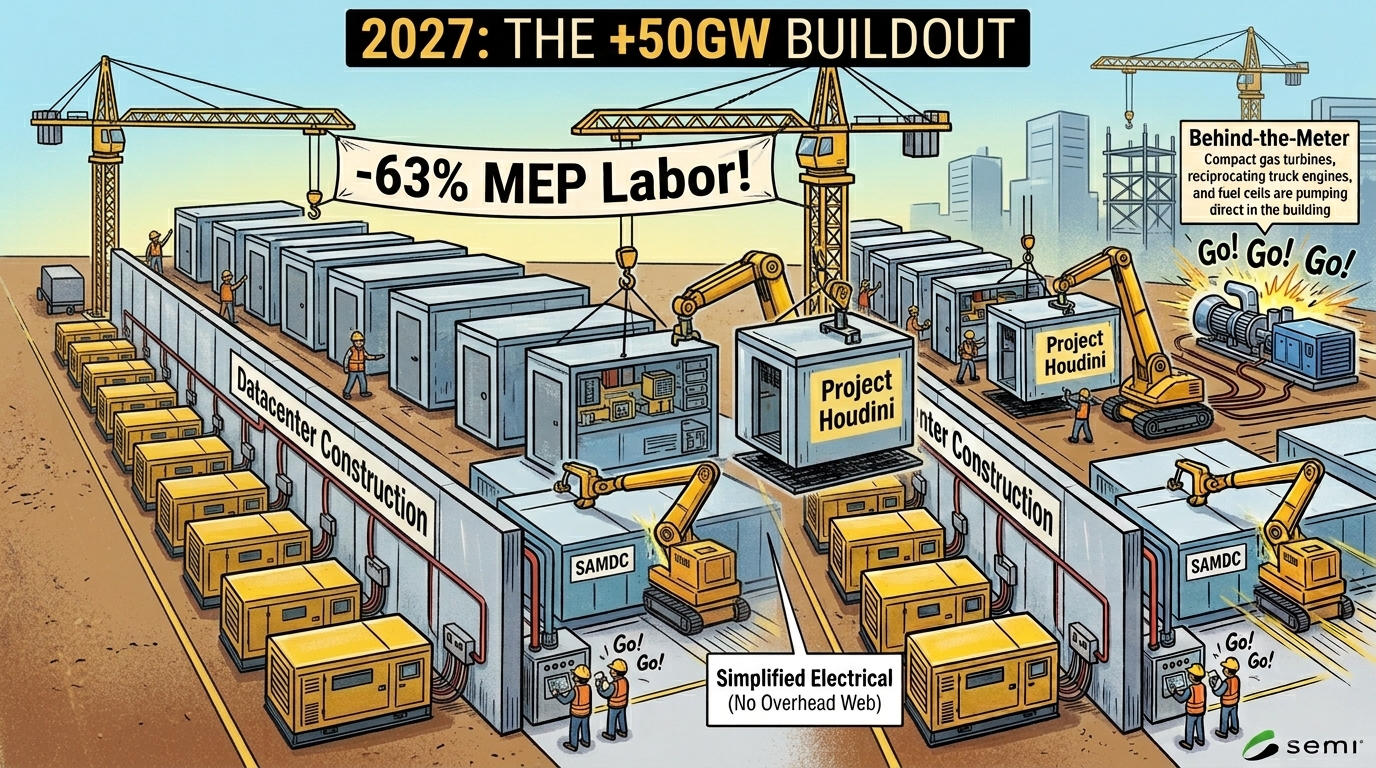
Datacenters 2027: The Year of Acceleration, +50GW in a Single Year
Not a week goes without another piece of datacenter FUD. We’ve already debunked depth why moratoriums aren’t as impactful as one may think. Despite that, many still misunderstand the pace of the global AI datacenter buildout. Just the other week, Brad Gerstner from Altimeter showed our data on the All-In Podcast and stated that “SemiAnalysis’ forecast of +43GW in 2027 is too aggressive” and that he thought only about 25GW would get built, close to half of our numbe
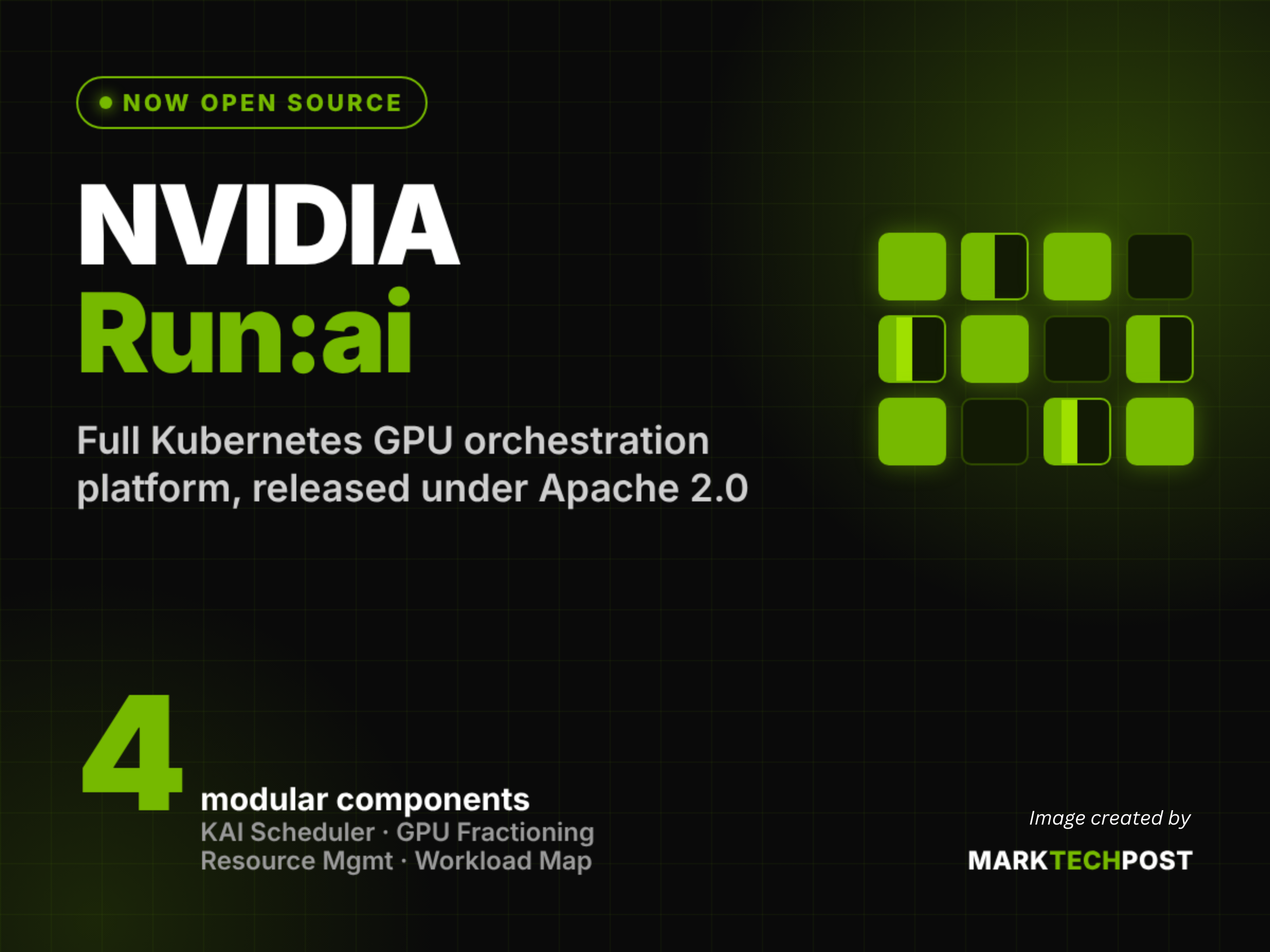
NVIDIA Open Sources Run:ai Under Apache 2.0 for Kubernetes GPU Orchestration
NVIDIA has released the full NVIDIA Run:ai platform as open source software. The source code ships under the Apache 2.0 license on GitHub. NVIDIA Run:ai open source puts production GPU scheduling, quotas and workload management in developers’ hands. The release, makes Run:ai part of the NVIDIA DSX AI Factory platform. Platform teams can now inspect, fork and self-host the stack without a paid subscription. TL;DR Size: Monorepo with control plane, cluster services, installer, CLI an

Nvidia's Jensen Huang pledges $2 billion for Europe, $250 million in compute for UK safety labs
Nvidia CEO Jensen Huang announced $2 billion in European investments and new stakes in French startups like Doctolib and Entalpic. The UK gets $250 million in compute for AI agent safety and security research. Huang pitched open-weight models as Europe's way to close the AI gap. The article Nvidia's Jensen Huang pledges $2 billion for Europe, $250 million in compute for UK safety labs appeared first on The Decoder.