
Germany relaxes data center heat recycling rules
Wired AI: Can Europe Build Data Centers Without Giving Up Its Climate Goals?
A plan to funnel the heat given off by data centers into nearby homes has run aground in Germany. Across Europe, policymakers are weighing AI ambitions against climate objectives.
Get smart on it
Europe faces a tension between building data centers for artificial intelligence capability and meeting climate commitments to cut greenhouse gas emissions. Germany initially required new data centers to recycle their waste heat into municipal heating systems, but relaxed this requirement after developers complained it made construction nearly impossible in the country. Experts disagree on whether the heat recycling mandate was genuinely impractical or simply unwanted by industry, with some arguing that the technology is well-established when heat offtake is available. The weakened rules may attract data center development but risk triggering climate-focused opposition that could complicate expansion efforts across Europe.
Relevant courses
Want to go deeper than the news? Explore live, cohort-based AI courses taught by practitioners.
Browse AI courses on MavenRelated news
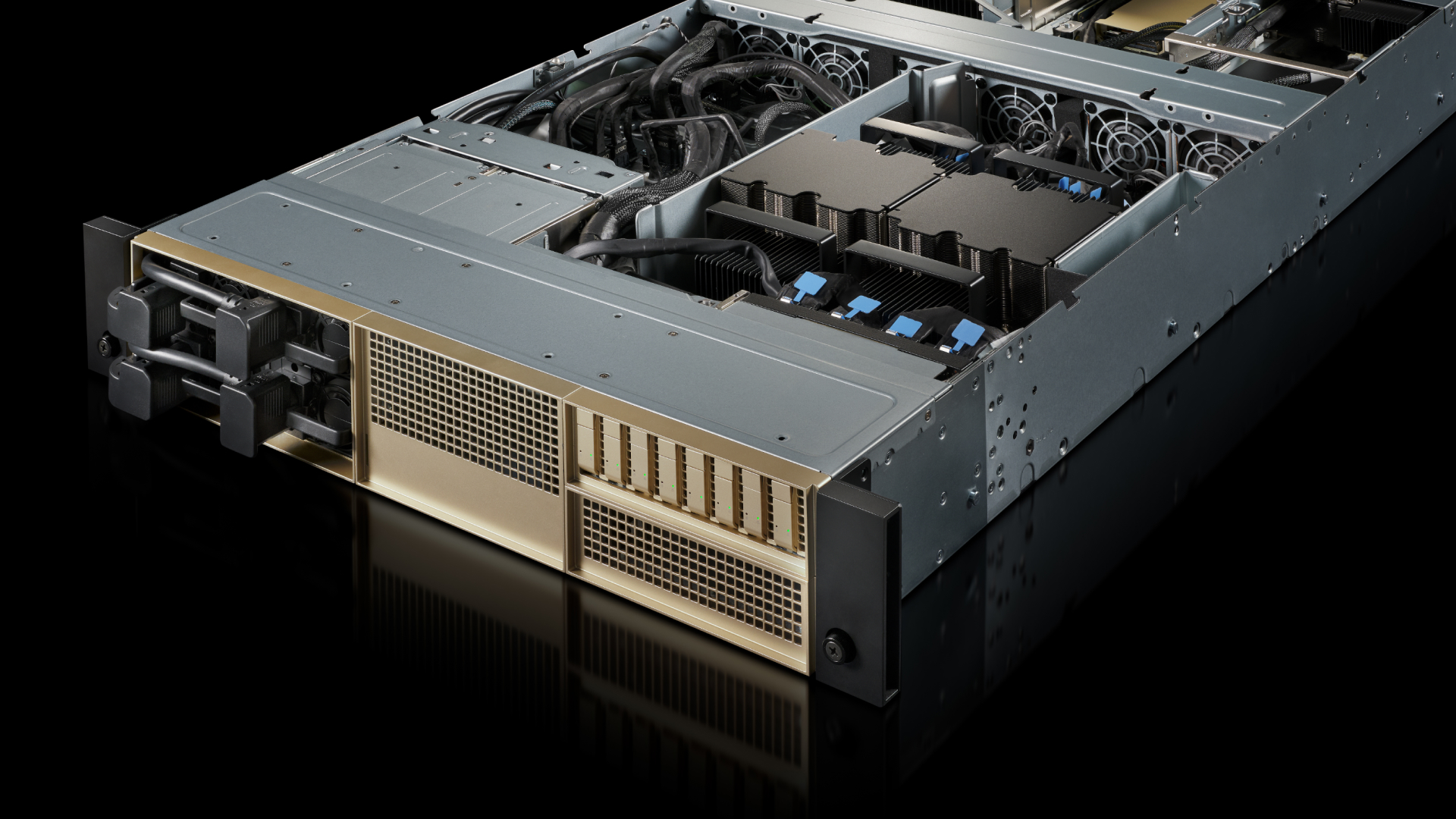
European Leaders Turn to NVIDIA Vera CPUs to Build Local Infrastructure
Nebius and Nscale are among global technology partners looking to NVIDIA Vera CPUs to build the next wave of infrastructure. Their momentum reflects rapid advancements in agentic computing. Agents do more than generate answers: they retrieve information, run software tools, execute code and evaluate results. Each step depends on fast CPU processing. Vera accelerates that work, helping agents respond faster and enabling data centers to make better use of computing capacity. Vera is designed to
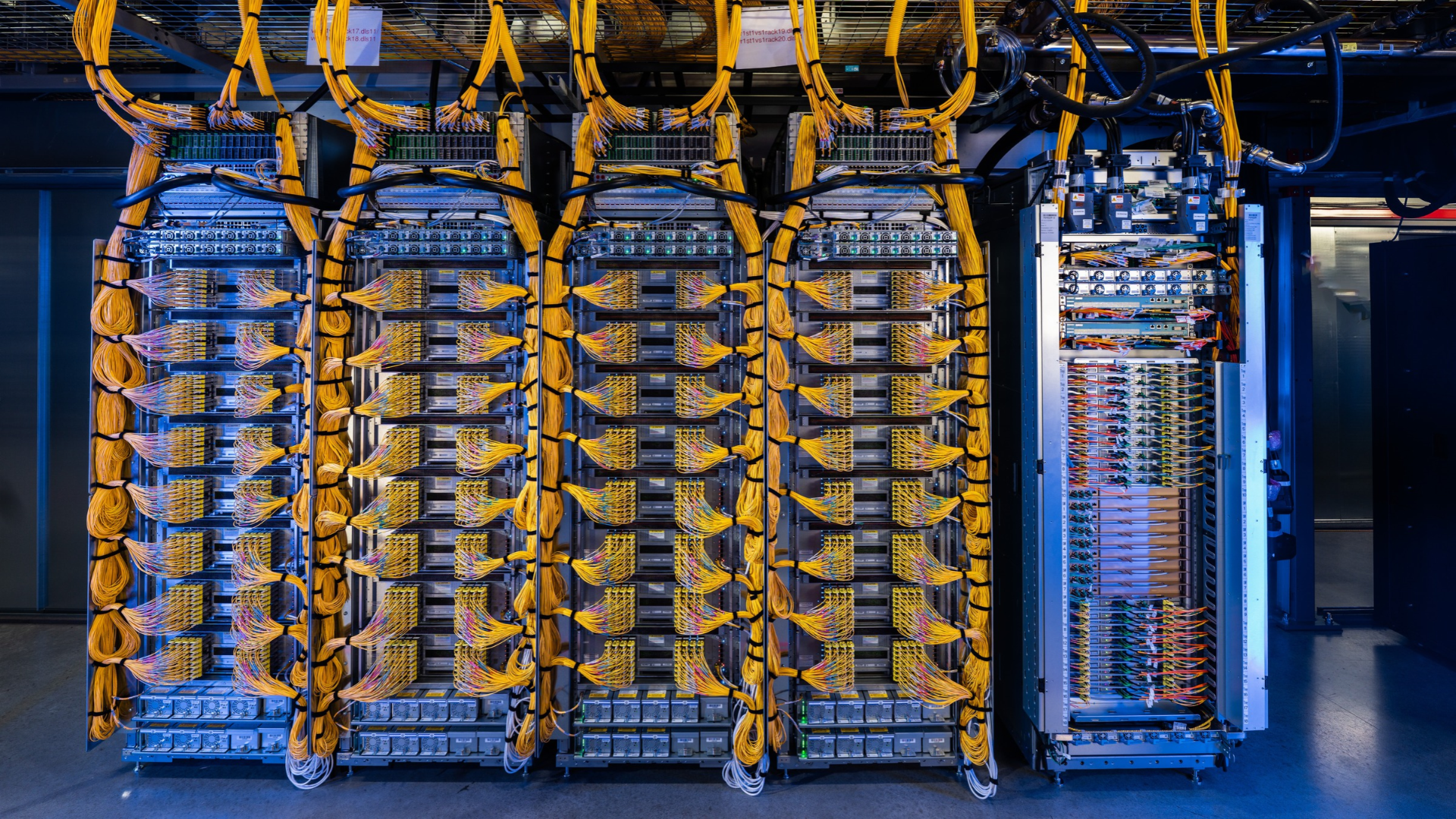
Google Cloud and NVIDIA Announce General Availability of NVIDIA Vera Rubin Infrastructure
General availability of the instances is coming next month, with planned expansion of availability to Europe — bringing an integrated platform for training, inference and large-scale reinforcement learning to cloud customers. A5X instances bring together NVIDIA Vera Rubin NVL72, NVIDIA ConnectX-9 SuperNICs, Google Cloud Virgo Network and Google Cloud’s fourth-generation advanced liquid-cooling technology for demanding agentic inference and reinforcement learning workloads at scale. Google Cloud

Hugging Face ❤️ TorchTPU: TPUs, Natively
Tighter integration between the popular open-source platform and Google's specialized processors could lower barriers for researchers training large models.
Also reported by MarkTechPost and SiliconANGLE

Google Cloud Ships llm-d 1.0 With Cache-Aware Routing for TPU and GPU Fleets
Google team have released llm-d 1.0, the first stable version of its distributed inference stack. This open-source, Kubernetes-native layer turns vLLM or SGLang model servers into one coordinated pool. They released it at the PyTorch Conference North America. It targets self-hosted agent and RL workloads, where round-robin load balancing breaks down. TL;DR A serving stack: Google reports a published benchmark on a 17,000-node multi-region GKE deployment. Runs on: Kubernetes with NVID

Google has joined Amazon in attacking Nvidia’s stronghold with AI app developers
Google has joined Amazon in releasing a developer tool that makes it easy for PyTorch users to move their apps off Nvidia GPUs.

CoreWeave’s debt is becoming the whole AI industry’s problem
CoreWeave had a bad week last week. Its bonds slipped into distressed territory by a common definition - when investors demand 1,000 basis points more in yield than they'd get from government bonds. Last Tuesady Chamath "SPAC King" Palihapitiya noticed the distressed debt, and also asked whether the AI buildout was a private credit bubble. Its shares are down more than 20 percent since Tuesday's close, which is kind of a lot! There even seemed to be some collateral damage in th