Bridging the Divide: How Data Centers Are Addressing Community Concerns
As opposition grows, data center developers are rethinking how they engage communities on power, taxes, jobs, and infrastructure issues.
Get smart on it
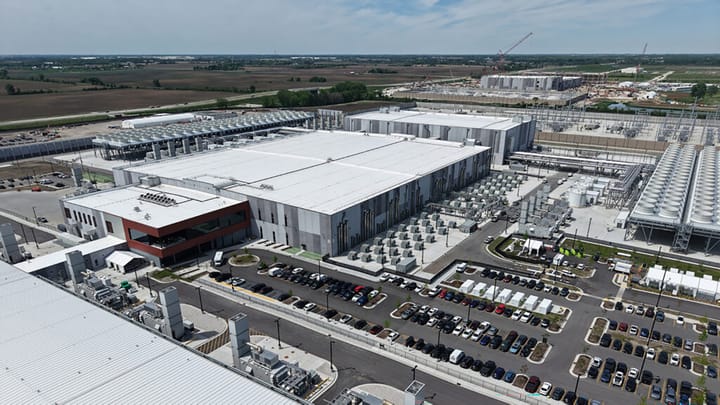
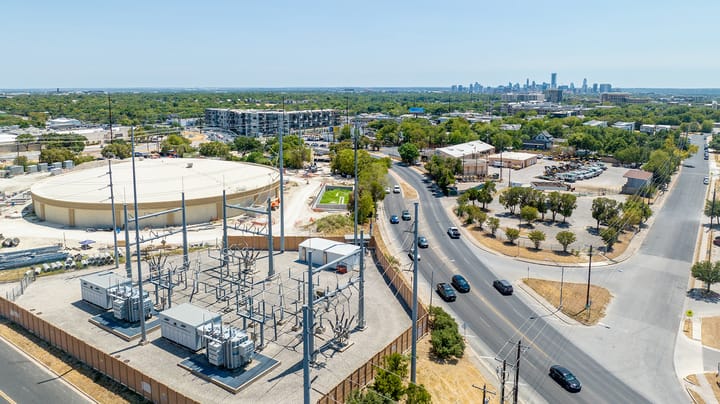
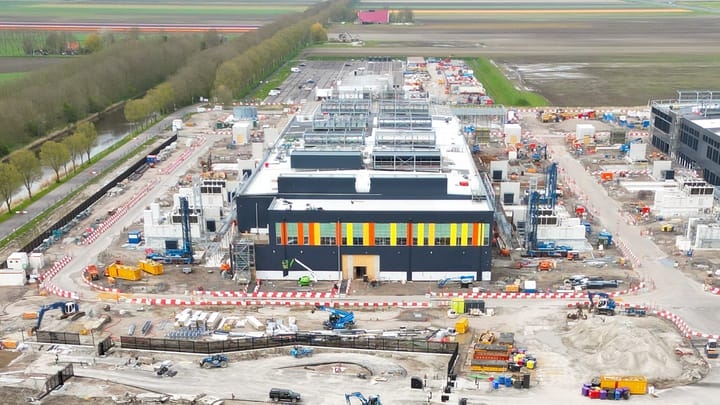
Data center developers are facing growing opposition from communities concerned about the impact of new facilities on local power demand, water use, taxes, and infrastructure. The industry is expanding at unprecedented speed and scale, with facility requests now reaching hundreds of megawatts and gigawatts, but this rapid growth has triggered public scrutiny in regions from Maine to California. Communities worry about rising electricity bills, the gap between state-level tax incentives for tech companies and their own financial pressures, and feeling excluded from decisions made behind closed doors. Industry leaders are arguing that data centers bring tax revenue, local jobs, and infrastructure investment, but say the sector must engage communities earlier and more transparently rather than relying on private land deals and broad promises, while also calling for coordinated policy and permitting frameworks across federal, state, and local government.
Related news

OpenAI and Broadcom announce chip designed for LLM inference at scale
OpenAI, the company behind ChatGPT and Codex and the models those tools utilize, and Broadcom, an established silicon supplier, have announced a new chip called Jalapeño, designed specifically for large language model inference in data centers. The chip is intended to be deployed at large data centers, both companies claim this is just the first generation in a long-term project that will see chips refined over time.Read full article Comments

Cerebras stock plunges after earnings as CEO says margin outlook was misunderstood
In its first earnings report since going public, the AI chipmaker forecast a narrower gross margin in its core business, scaring investors.